🌪️ 𝗪𝗵𝗲𝗻 𝘁𝗵𝗲 𝗲𝗹𝗲𝗺𝗲𝗻𝘁𝘀 𝘀𝘁𝗼𝗽 𝗮𝗰𝘁𝗶𝗻𝗴 𝗹𝗶𝗸𝗲 𝗯𝗮𝗰𝗸𝗴𝗿𝗼𝘂𝗻𝗱 𝗱𝗲𝗰𝗼𝗿𝗮𝘁𝗶𝗼𝗻
Master of Elements has one of those names that instantly promises trouble in the best possible way. Not the quiet kind either. Not the gentle, magical-fantasy kind where glowing particles float around while everyone speaks in mysterious riddles. No, this feels more direct than that. More physical. More like the kind of elemental action game where fire burns hot, water moves with purpose, air refuses to sit still, and earth lands with the emotional weight of a door being kicked open at exactly the wrong moment.
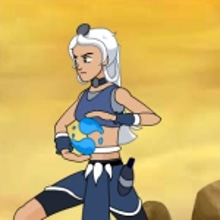
The official Kiz10 page frames it around Avatar returning and using the four elements: water, fire, air, and earth. That alone already gives the game a strong identity, because elemental control is one of those ideas that never really gets old. It always sounds cool. It always feels a little dangerous. And when a game lets you actually use those powers instead of just looking at them in the background, suddenly every level has more bite.
That is the real hook here. Master of Elements is not just about moving through a stage. It is about controlling forces that are bigger than your character, bigger than ordinary attacks, bigger than a simple punch or jump. You are dealing with the classic four-element fantasy, and that changes the whole rhythm of the experience. Every challenge feels more dramatic because the tools in your hands are dramatic by nature.
🔥 𝗙𝗶𝗿𝗲 𝗶𝘀 𝗶𝗺𝗽𝘂𝗹𝘀𝗲, 𝘄𝗮𝘁𝗲𝗿 𝗶𝘀 𝗳𝗹𝗼𝘄, 𝗮𝗶𝗿 𝗶𝘀 𝗺𝗶𝘀𝗰𝗵𝗶𝗲𝗳, 𝗮𝗻𝗱 𝗲𝗮𝗿𝘁𝗵 𝗶𝘀 𝗮𝗻 𝗮𝗿𝗴𝘂𝗺𝗲𝗻𝘁 𝘆𝗼𝘂 𝘄𝗶𝗹𝗹 𝗻𝗼𝘁 𝘄𝗶𝗻
What makes an elemental game satisfying is not just the powers themselves, but the feeling each one creates. Fire should not feel like water with a different color. Air should not behave like earth wearing a lighter costume. A good elemental action game gives each force its own mood, its own personality, its own little attitude problem. And Master of Elements sounds like exactly the kind of browser game that thrives on that difference.
Fire always brings aggression. It is the bold move, the risky answer, the “I will deal with this now” option. Water is more flexible, more adaptive, more slippery in the way it solves problems. Air has speed and trickiness all over it, the kind of energy that makes movement feel less stable and much more exciting. Earth, meanwhile, is that solid answer to nonsense. Heavy. Reliable. Brutal in a clean way. When a game gives you all four, it stops feeling one-note almost instantly.
That is also why the Avatar-style setup matters so much. The page is clearly leaning into that elemental world and returning-hero energy, and that gives the game more flavor than a generic fantasy title would have. The powers are not random decorations. They are the core identity. The entire appeal lives in that promise: master the elements or get overwhelmed by the chaos they create.
⚡ 𝗧𝗵𝗲 𝗴𝗮𝗺𝗲 𝗳𝗲𝗲𝗹𝘀 𝗳𝗮𝘀𝘁𝗲𝗿 𝗯𝗲𝗰𝗮𝘂𝘀𝗲 𝘁𝗵𝗲 𝗽𝗼𝘄𝗲𝗿𝘀 𝗮𝗿𝗲 𝗮𝗹𝗿𝗲𝗮𝗱𝘆 𝗯𝗶𝗴
There is something naturally cinematic about elemental combat. Even a simple move looks bigger when it comes wrapped in flame, wind, waves, or stone. That is one reason Master of Elements feels so easy to imagine as an exciting Kiz10 game. The powers do a lot of the emotional work on their own. A dodge becomes more thrilling. An attack looks more meaningful. A close call feels larger than life.
And that matters in browser games, where immediacy is everything. You want the excitement to arrive quickly. You do not want to spend ages waiting for the concept to become fun. Here, the concept is already fun. Four elements. Magical battles. Avatar energy. Done. The game has already won half the fight before the first real challenge begins.
Then the actual gameplay steps in and turns that promise into motion. You stop admiring the concept and start dealing with it. Timing matters. Reactions matter. Using the right force in the right moment matters. Maybe you push forward too hard with fire. Maybe you hesitate when earth would have solved the problem cleanly. Maybe air saves you after a bad decision. Maybe water becomes the difference between smooth control and complete nonsense. That is where the game becomes more than its theme. It becomes a rhythm.
And once that rhythm clicks, it is hard not to fall into it. One more try. One cleaner sequence. One better reaction. One less embarrassing mistake while trying to act like a fully trained elemental master 😅
🪨 𝗣𝗼𝘄𝗲𝗿 𝗮𝗹𝗼𝗻𝗲 𝗶𝘀 𝗻𝗼𝘁 𝗲𝗻𝗼𝘂𝗴𝗵, 𝘆𝗼𝘂 𝗮𝗹𝘀𝗼 𝗻𝗲𝗲𝗱 𝗰𝗼𝗻𝘁𝗿𝗼𝗹
This is where games like Master of Elements usually become more interesting than they first appear. Anyone can enjoy flashy powers for a minute. The real question is whether the game gives those powers structure. Whether it asks you to think, even a little. Whether the magic becomes a toolset instead of just a fireworks show.
That is the hidden strength of elemental gameplay. It creates natural problem-solving. Different situations feel like they want different answers. A forceful solution here. A more fluid reaction there. A quick movement choice somewhere else. Even without turning into a full puzzle game, Master of Elements benefits from that layered feeling. The powers are exciting because they imply options, and options are what keep action games alive.
So the fun is not only in attacking. It is in adapting. In reading the pace of a moment and choosing the elemental response that feels right. That kind of choice gives the game texture. It stops being simple button pushing and becomes a little more personal. Your style starts showing. Your habits start revealing themselves. Maybe you rush. Maybe you overthink. Maybe you trust earth too much and fire not enough. The game quietly exposes all of that.
And that is great, because the best action games always teach you something about the way you play, usually while pretending they are only trying to blow things up.
🌊 𝗪𝗵𝘆 𝘁𝗵𝗲 𝗔𝘃𝗮𝘁𝗮𝗿 𝗳𝗲𝗲𝗹 𝗺𝗮𝗸𝗲𝘀 𝗶𝘁 𝗺𝗼𝗿𝗲 𝗺𝗲𝗺𝗼𝗿𝗮𝗯𝗹𝗲
The Kiz10 page explicitly ties the game to Avatar returning and mastering the four elements, which is a huge part of the appeal because that world already carries a very specific emotional style. It is adventurous, mythic, energetic, and just grounded enough to make the elemental powers feel like part of a living world rather than random magic thrown into a blender.
That tone matters. It makes the game feel less generic. Instead of being “a game with elemental attacks,” Master of Elements feels like a classic elemental battle fantasy with a recognizable spirit behind it. That gives players something stronger to connect to. There is history in the theme. Familiarity. The sense that the elements are not just powers but philosophies, temperaments, and ways of handling the world.
Even when the gameplay is quick and browser-sized, that atmosphere helps a lot. It adds identity. It lets the game feel bigger than its raw structure. Suddenly every elemental clash has a little extra flavor. A little more purpose. A little more myth in the air.
And honestly, that is one of the reasons old elemental games remain charming. The concept carries so much weight by itself that even a compact online game can feel vivid if it uses that concept well.
🌋 𝗘𝘃𝗲𝗿𝘆 𝗴𝗼𝗼𝗱 𝗲𝗹𝗲𝗺𝗲𝗻𝘁𝗮𝗹 𝗴𝗮𝗺𝗲 𝗻𝗲𝗲𝗱𝘀 𝗮 𝗯𝗶𝘁 𝗼𝗳 𝗰𝗵𝗮𝗼𝘀
Mastery is nice. Chaos is better.
Well, not always better. But definitely more entertaining.
A game called Master of Elements should not feel too neat. Too calm. Too polite. The powers are too wild for that. Fire wants to overreact. Air wants to complicate things. Water wants to move around the plan. Earth wants to end the discussion. If the gameplay captures even a piece of that energy, then every fight or challenge gets more fun because it feels slightly unstable in the best way.
That is what gives elemental combat life. It should feel like you are handling something powerful, not merely selecting a colored option from a menu. There should be a tiny sense that you are riding the edge of control, especially when the pace increases. That is the exciting part. Not perfection. Not sterile efficiency. The feeling that one brilliant sequence can turn the whole screen into victory, and one bad read can make you look like a wizard who absolutely skipped training day.
That balance between control and chaos is where Master of Elements probably does its best work. It lets you feel strong, but not lazy. Capable, but not safe.
🎮 𝗪𝗵𝗼 𝘄𝗶𝗹𝗹 𝗲𝗻𝗷𝗼𝘆 𝗠𝗮𝘀𝘁𝗲𝗿 𝗼𝗳 𝗘𝗹𝗲𝗺𝗲𝗻𝘁𝘀 𝗼𝗻 𝗞𝗶𝘇𝟭𝟬
If you enjoy Avatar-style games, elemental action, magical combat, and browser adventures built around recognizable powers with distinct personalities, Master of Elements is an easy recommendation. The official page makes its premise very clear: Avatar is back, and you must use water, fire, air, and earth. That promise alone gives the game a strong hook for anyone who likes classic elemental fantasy.
It is especially good for players who like action games with a clear concept and fast payoff. You do not need a massive tutorial to understand why this is cool. The cool part is already built in. Bend the elements. Use them well. Survive the chaos they create. Try not to embarrass yourself in the process.
In the end, Master of Elements works because it understands the power of a timeless idea. Four classic elements. One returning Avatar-flavored hero. Fast browser action. A world where every attack feels bigger because it comes from something ancient and dangerous. On Kiz10, that makes it feel like a compact but lively elemental adventure, one where fire, water, air, and earth are never just effects on a screen. They are the whole mood, the whole fight, and the whole reason you hit play again after the last spectacular mistake.





 Share
Share
 Embed
Embed