A Board That Whispers “Think Faster”
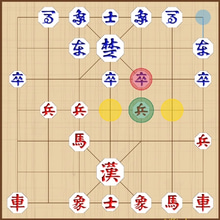
The first thing you notice is how tidy everything looks. Lines like city streets, a palace sketched with gentle diagonals, two armies facing each other with the calm of statues right before they stop being statues. Mini Janggi on Kiz10 takes that ancient, clever battlefield feeling and trims it to pure decision. No fluff. No waiting. Your cursor hovers, a chariot hums like an engine that remembers horses, and somewhere a tiny drum in your head starts keeping time. This is the kind of classic board game that teaches without scolding: place a piece, watch the map change, feel your breath do that funny hitch when a cannon suddenly matters from across the world. You will make one move that looks small and hear the board answer back like, oh, you meant business. ♟️✨
Opening Notes, Not Lectures
You don’t need a textbook to begin. Palaces are the heart zones. Generals stay inside these nine-line grids, gliding along the palace lines with a bodyguard or two. Soldiers step forward and sideways like patient street sweepers who quietly win cities. Horses leap in that kinked L, but only if their “leg” isn’t blocked. Elephants stretch farther, sweeping arcs that feel like you’re drawing with a brush—unless someone sticks a pebble in the path. Chariots are roads; give them an avenue and they draw straight lines to trouble. And cannons—oh, cannons—move along ranks and files but only capture when they hop over exactly one piece. Your first five minutes are discovery. Your next five are victory or humility. Both are delicious. 🐘🐴🛡️
Palace Etiquette And Why Lines Matter
Those faint diagonals in the palace aren’t decoration. They’re lanes. Generals, advisors, and even invaders who dare step inside respect them like old rules at a family dinner. Slide from corner to center, center to corner, and suddenly your defenses don’t feel like walls; they feel like a net. There’s a special joy in parking a guard on a palace point and realizing every path to your General crosses your gaze. You’ll make tiny palace shuffles that look like nothing to outsiders and feel like moving a mountain to your nerves. And when the enemy’s General peeks along a palace line with overconfidence, you set a cannon at the far end and smile with exactly two teeth. 🏯🙂
Cannons Are Drama Queens (Love Them Anyway)
No piece does theater like a cannon. It glides calmly… then vaults a single “screen” piece and snaps a capture with panache. It cannot hop another cannon; it refuses—artists have rules. It cannot capture without jumping; that would be boring. Cannons teach spacing. A soldier that seems useless in the middle of nowhere becomes the perfect screen at exactly the right time, and boom, a royal threat appears from a polite distance. You will mess this up once, leave a cannon looking at your palace across a lone screen, and watch your heart invent cardio. Next game, you’ll use that same trick to look brilliant. 🎇🧨
Chariots Draw Straight Lines Through Your Plans
The chariot is the honest piece; it tells you what it wants. Give it a straight, it takes a straight. Park it on an open file and you will feel taller. That said, honesty is power. On a compact board, one unblocked chariot becomes a ruler you lay across the map to measure mistakes. Your opponent leaves a lane, your chariot writes its name across it in capital letters. Learn the gentle art of traffic control—one soldier standing in the correct street turns a would-be expressway into a sleepy alley. Control lanes, win games. 🛣️🚚
Horses Have Feelings (About Space)
Unlike their Western chess cousins, horses here care deeply about leg day. If the square next to their body in the direction they want to leap is occupied, they refuse to hop. You can feel the personality: bold, but not reckless. Watching and blocking horse legs becomes a small obsession. You will place a modest pawn-like soldier beside a horse and paralyze a side of the map for three turns. Then you’ll forget that the same rule applies to your own horse and discover humility as an educational service. It’s fine; the board is patient when you are not. 🐎😅
Elephants Paint With Long Brushes
Elephants sweep two steps outward in patterns that feel like sketching a curved stairwell. Beautiful reach, surprising coverage, surprisingly sensitive to clutter. A single piece in the first or second landing point cancels the dance. Use elephants early to claim quiet squares that become loud later. Use them poorly and they become very expensive spectators. The trick is pre-cleaning the path with chariots and horses, then posting the elephant where its umbrella covers your palace seam. When it works, you’ll grin like someone who put the right plant in the right sunlit window. 🌿🐘
Soldiers Win Wars While Everyone Poses
They step one square at a time, forward or sideways. No glamour. No speeches. But they guard screens for cannons, pin horse legs, deny chariot lanes, and sneak into palaces like a polite cough that becomes a fit. In mini-length matches, a single soldier sneaking to the fifth or sixth row rewrites all your arithmetic. The funniest victories begin with you mumbling, “it’s just a soldier,” and end with that same piece standing one step from a check while the enemy runs out of reasonable sentences. Underestimate them once; never again. 🚶♂️🧱
Openings That Feel Like Stretching
Start by freeing a chariot lane or nudging a horse to a useful angle; breathe into the middle, not the edges. Slide a guard in the palace to give your General more elbow room. Plant one soldier where it annoys three of their pieces at once. A quick cannon alignment with a harmless screen signals respect without committing to chaos. The point isn’t memorizing sequences; it’s claiming flexibility. If your first four moves leave you with answers to three different questions, you’ve done it right. If your first four moves look pretty but only do one thing, expect the board to ask a different question. 🧘🎼
Midgame: The Map Starts Talking Louder
Lines open, horses un-stiffen their legs, and cannons discover personality. This is where you learn to count tempo by feel. A chariot threat that forces one defensive move buys you a free step elsewhere; two such threats chained together and you’re drawing shapes the opponent doesn’t have erasers for. You’ll start seeing L-shaped forks where a horse threatens two juicy squares, and crossroads where a cannon plus screen becomes a question nobody likes. The best midgames here feel like juggling in slow motion, with one clean catch turning into three options that were invisible a moment ago. 🔀🎯
Endgame: Quiet Moves, Loud Consequences
As pieces thin out, the board gets fast. Palaces matter more than ever; a single palace point is a throne or a trap depending on who arrives first. You will discover the joy of zugzwang without needing the word: sometimes any move they make hands you the key. A chariot camping on a palace file freezes time. A cannon and one stubborn soldier create a laser pointer across the end ranks. The winning move is often gentle—step a guard to the palace center, not to attack but to connect lines so your next turn exists and theirs doesn’t. You’ll feel clever and faintly ridiculous for grinning at geometry. 📐🏆
Checks, Pins, And The Art Of “Almost”
Threatening the General feels dramatic; threatening the thing that protects the General is usually better. Pin a guard to the palace center so moving it opens a check. Freeze a horse whose leg guards the entry point. Park a soldier on a palace corner so any enemy capture becomes a cannon screen for you. Mini Janggi rewards these “almost” moves—the ones that don’t take material immediately but wrap the palace in logic until the last gasp looks inevitable. Lean into “almost” and you’ll start seeing routes that felt invisible yesterday. 🔒🧠
Blunders You Will Make Once, Maybe Twice
You will forget a cannon needs a screen and move it into a heroic pose that threatens nothing but your own reputation. You will open a chariot lane for yourself that is also a chariot lane for them; mirror, meet lesson. You will shove a soldier forward in joy and realize you just gave the enemy a perfect screen to vault your palace. You will cover a horse threat and unblock a different horse threat because symmetry is a prankster. Laugh. The game’s short format makes mistakes cheap and learning expensive-looking. Next match, the same situations become free candy. 🍬🙃
Tactics That Feel Like Street Magic
There’s the lantern: place a harmless-looking soldier two squares from the palace; one move later it becomes the perfect cannon screen and the hallway lights up. There’s the umbrella: post an elephant where its arcs protect two different palace gates; you’re suddenly immune to casual checks. There’s the zipper: chariot slides down a file while a horse covers the escape; everything closes with the satisfying sound of a coat that fits too well. And there’s the double-tap cannon: hop-capture once to realign, then hop again through a new screen in the same turn window of threats; it looks like teleportation and feels like math with fireworks. 🎆🪄
Feel In The Fingers, Sound In The Ears
Pieces land with a soft tick, and the flip of a capture has a slightly deeper bark that your brain will start to chase like a favorite metronome. The palace points glow when a line connects; cannons hum when a valid hop appears, which is both adorable and useful. On touch, drags are sticky in the good way; on keyboard or gamepad, the cursor glides square-to-square like a calm bishop and snaps to legal landings with zero scolding. You will start to hear rhythm in your turns: nudge, threaten, breathe, lock. Put on headphones and the endgame heartbeat becomes a tiny drumline urging you to find the clean line, not the loud one. 🎧🥁
Accessibility And A Friendly Table Manner
Mini Janggi keeps the elegance and adds kindness. Colorblind-friendly piece outlines keep armies distinct. Optional move hints paint the lanes without playing for you. An undo for casual mode lets you take back the oops you made while sneezing, while ranked keeps the nerves spicy. Tooltips explain cannon screens and horse legs with one-sentence wisdoms that feel like advice from a calm uncle. It’s a classic thinker, approachable enough that you can teach a curious cousin in five minutes and still get surprised by them in ten. 🤝📘
Stories You Will Tell With Your Hands
Ask any player about their favorite win and they won’t quote a score; they’ll mime a sequence. “I parked the soldier here, then I hopped the cannon across the palace line, then the chariot slid like this—whoosh—and the General had to step to the corner and that’s when the horse… yes, exactly.” Mini Janggi makes these little pantomimes happen every night because the board is compact and the pieces are expressive. You’re not memorizing; you’re choreographing. And when a plan lands, your mouse lifts off the pad for a second like it wants to high-five the air. 🖱️👏
Tips From A Player Who Still Talks To Their Pieces
Keep one chariot lane half-open, not fully open; it’s a threat, not an invitation. Treat soldiers as tools, not trophies; a soldier that screens a cannon is worth a feast. When you see a cool capture, ask what line you give back—if you open a palace diagonal, make sure you’re the one who owns it next move. Don’t trade an elephant for a smile unless the smile is a checkmate. If you feel rushed, nudge a guard in the palace; small structure moves are insurance policies you never regret. And if you blunder, say out loud “noted,” then try the exact same setup one game later and redeem the moment with style. 🧾😌
Why It Feels Fresh Every Match
Because lanes appear and vanish like weather. Because a cannon’s usefulness depends on someone else’s mistake in one place and your foresight in another. Because horses are either dancers or furniture depending on whether you cleared their legs. Because palaces shrink and expand with one guard step. Because you can finish a best-of-three in the time it takes to drink something warm and still think about the last position while rinsing the mug. This is classic board energy: simple moves, endless stories, quick rematches that turn “one more” into three more. 🔁☕
Final Bow On A Tiny Battlefield
Breathe in, touch a soldier, open a road. Slide a chariot where it can see the future. Post an elephant because you like the pattern it draws. Listen for the cannon that wants a screen, and give it one exactly when the palace starts paying attention. Protect your General with quiet dignity. When the check arrives, answer with geometry, not volume. Mini Janggi on Kiz10 is a compact, graceful Classic Board Game that turns small decisions into loud victories and calm boards into clever grins. Sit, think, smile, and let a single step across a palace line feel like a festival inside your chest. Then queue again, because the board is still whispering and you are not done listening.





 3.5 (153 votes)
 Share
Share
 Embed
Embed


