𝗧𝗵𝗲 𝘄𝗼𝗿𝘀𝘁 𝗽𝗹𝗮𝗰𝗲 𝘁𝗼 𝘁𝗿𝗶𝗽 😵
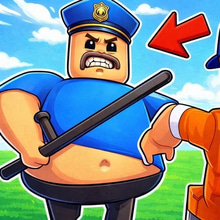
Obby - Escape Barry's jail parkour wastes absolutely no time pretending prison is a calm place. It is not. It is a giant obstacle-filled panic machine with walls, traps, jumps, bad decisions, and one very good reason to keep moving: Barry is behind you, and he does not seem like the forgiving type. This is a parkour game built around momentum, timing, and that special kind of stress that appears when a platform is smaller than your confidence.
From the first moments, the game throws you into a bright, exaggerated prison world where every corridor feels like a challenge and every jump feels just dangerous enough to make your hands tighten a little. Not too much. Just enough. It captures that classic obby energy beautifully. Run forward, line up the jump, trust your feet, regret everything, respawn, try again, and suddenly nail the section that seemed impossible thirty seconds earlier. That cycle is the heartbeat of the whole experience.
On Kiz10, this is exactly the kind of game that grabs players who enjoy fast reflex challenges, simple controls, and levels that look playful while quietly plotting your downfall.
𝗥𝘂𝗻, 𝗷𝘂𝗺𝗽, 𝗳𝗮𝗶𝗹, 𝗿𝗲𝗽𝗲𝗮𝘁, 𝗶𝗺𝗽𝗿𝗼𝘃𝗲 🏃
At its core, Obby - Escape Barry's jail parkour is about movement. Clean movement, panicked movement, lucky movement, and the occasional movement that ends with your character flying into failure like they were personally insulted by gravity. You control your character with familiar parkour basics: move with WASD, jump with Space, sprint with Shift, and rotate the camera with the mouse. The setup is simple, which is exactly what a game like this needs.
Because the controls are easy to understand, the challenge comes from execution. You need to read the environment quickly, judge distances, and keep your momentum under control. Go too slow and some sections feel awkward. Go too fast and the game cheerfully throws you off a platform. There is a rhythm to good obby play, and this game knows how to build it. The more you play, the more your timing sharpens. Jumps that felt unfair start feeling manageable. Hazards that looked random begin to reveal their pattern. Your route gets smoother. Your panic gets more efficient. That counts as progress.
What makes these games so addictive is that improvement feels immediate. You do not need to wait for a giant upgrade tree or some dramatic unlock to feel stronger. You get stronger because your hands start understanding the game better. That kind of skill-based progress is always satisfying.
𝗕𝗮𝗿𝗿𝘆 𝗶𝘀 𝗻𝗼𝘁 𝘁𝗵𝗲 𝗵𝗲𝗿𝗼 𝗼𝗳 𝘁𝗵𝗶𝘀 𝘀𝘁𝗼𝗿𝘆 🚨
A prison escape game needs pressure, and Barry provides it. Even when he is not physically in your face every second, his presence shapes the tone of the whole adventure. You are not just casually exploring a building with some jumps in it. You are escaping. That single idea changes everything. The levels feel more urgent. The hazards feel more personal. The whole map becomes a giant obstacle course designed by someone who really dislikes freedom.
That sense of pursuit helps the game stand out from a more neutral platform challenge. Each room, hallway, and prison-themed location feels tied to the central fantasy of breaking out before you get caught. And it is a fun fantasy, honestly. There is something universally entertaining about escaping absurd authority figures in oversized obstacle-filled prisons. It is silly, tense, and weirdly motivating.
The game leans into that energy with bright environments and sharp, readable layouts. You are rarely confused about the goal. The challenge is not “Where do I go?” It is “Can I actually get there without embarrassing myself?” That is a much better question.
𝗣𝗿𝗶𝘀𝗼𝗻 𝗽𝗮𝗿𝗸𝗼𝘂𝗿 𝗵𝗮𝘀 𝗮 𝘀𝗽𝗲𝗰𝗶𝗮𝗹 𝗸𝗶𝗻𝗱 𝗼𝗳 𝗰𝗵𝗮𝗼𝘀 ⚡
There is a big difference between a normal platform game and a good obby parkour game. A normal platformer often asks for timing and direction. An obby asks for commitment. You have to launch into jumps, trust narrow landings, and deal with obstacle setups that seem to exist purely to test how calm you can stay under pressure. Obby - Escape Barry's jail parkour understands this perfectly.
The prison setting helps a lot. Bars, cells, industrial spaces, elevated paths, and suspiciously dangerous architecture all combine into levels that feel theatrical and slightly ridiculous in a very fun way. It is not realism the game is after. It is energy. It wants each area to feel like a stage in a big, messy escape sequence.
And because the gameplay is built around parkour, every bit of space matters. Corners matter. Camera angles matter. Sprint timing matters. A jump is never just a jump when one miscalculation means restarting the section. That pressure makes successful movement feel fantastic. When you string together a few clean jumps in a row, the game suddenly feels smooth, almost elegant. Then you hit your head on something and fall into the void. Humility returns. Nature heals.
𝗪𝗵𝘆 𝘁𝗵𝗲 𝗿𝗲𝘀𝘁𝗮𝗿𝘁 𝗯𝘂𝘁𝘁𝗼𝗻 𝗯𝗲𝗰𝗼𝗺𝗲𝘀 𝘆𝗼𝘂𝗿 𝗳𝗿𝗶𝗲𝗻𝗱 🔁
A game like this lives or dies on how it handles failure, and fortunately, failing here is frustrating in the fun way rather than the exhausting way. You mess up, you learn something, and you jump back in. That loop is quick, clean, and strangely motivating. Instead of feeling punished, you feel challenged. The game keeps nudging you toward mastery without making the whole thing heavy or complicated.
That is important because obby games are built on repetition. You try. You fail. You understand the obstacle a little better. Then you try again with sharper instincts. Good level design makes that repetition feel meaningful, and this game does a strong job of that. Every mistake contains information. Maybe you jumped too early. Maybe you sprinted when you should have slowed down. Maybe your camera angle betrayed you. Fine. The next run already has a better chance.
This creates the classic “one more attempt” trap. A section beats you a few times, and instead of quitting, you lean in. You know the solution is close. You can feel it. Then you finally clear that part and immediately run into a new problem five seconds later. Brutal. Beautiful. Completely effective.
𝗠𝗼𝗯𝗶𝗹𝗲 𝗼𝗿 𝗣𝗖, 𝘁𝗵𝗲 𝗷𝘂𝗺𝗽 𝘀𝘁𝗶𝗹𝗹 𝗵𝗮𝘀 𝘁𝗼 𝗯𝗲 𝗴𝗼𝗼𝗱 📱
Another nice thing about Obby - Escape Barry's jail parkour is how naturally the concept works across devices. On PC, you get that direct keyboard-and-mouse control that makes sprinting, turning, and lining up jumps feel precise. On mobile, the split-screen movement and camera controls keep the experience playable in a more flexible way. That accessibility fits the game well because the core challenge is easy to understand no matter where you play.
What matters most is not the complexity of the control scheme but the clarity of the action. Move, jump, sprint, rotate the camera, survive. It is clean, immediate, and easy to jump into, which is exactly what helps a parkour game stay fun instead of becoming homework with walls.
𝗪𝗵𝘆 𝗢𝗯𝗯𝘆 - 𝗘𝘀𝗰𝗮𝗽𝗲 𝗕𝗮𝗿𝗿𝘆’𝘀 𝗷𝗮𝗶𝗹 𝗽𝗮𝗿𝗸𝗼𝘂𝗿 𝗳𝗶𝘁𝘀 𝗞𝗶𝘇𝟭𝟬 𝘀𝗼 𝘄𝗲𝗹𝗹 🔓
This game lands in a sweet spot between challenge and chaos. It is a strong choice for players who love obby games, escape games, 3D platformers, and reflex-based parkour adventures. The prison theme gives it personality, Barry gives it urgency, and the obstacle design gives it that addictive try-again flow that keeps parkour games alive.
On kiz10.com, it works especially well because it offers quick excitement without needing a long setup. You can understand the premise instantly, but mastering the movement takes real attention. That makes the experience accessible for new players and satisfying for anyone who likes sharpening a route until it finally feels effortless.
Obby - Escape Barry's jail parkour is fast, silly, tense, and full of those tiny dramatic moments where a single jump decides everything. If you enjoy prison escape games, obby platformers, and parkour challenges that test both timing and nerve, this is an easy one to recommend. Just keep moving. Barry is not waiting politely 😅





 Share
Share
 Embed
Embed