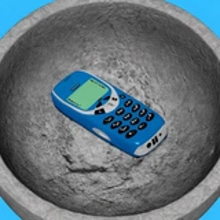
At first it feels a little wrong. You are staring at a perfectly good phone, a console, maybe an old tape recorder that looks like it belongs on a shelf in someone’s memory. And the game calmly hands you a tool and a mortar and says go ahead break it. In Restore the Phone, destruction is not an ending. It is the first step in making something new. 📱⚙️
The whole experience lives in that small loop of curiosity. You pick an object, dismantle it piece by piece and scrape all those parts into a special mortar. Screws, plastic shells, circuits, bits of wire everything that usually disappears into a drawer or a landfill gets a second life here. You grind, mix and watch it collapse into a strange new material with its own color and personality. Suddenly, that old gadget is not “trash” anymore. It is a resource.
What makes the game feel so strangely satisfying is how physical it all seems. You can almost hear the clink of metal and the crunch of plastic as you break things down. The mortar becomes your tiny recycling plant. Different devices leave behind different “dust” and chunks. A retro tape recorder doesn’t feel the same as a glossy TV remote. A worn-out console has a different “texture” than a plastic toy. Even though you are just dragging and tapping, your brain starts cataloguing them as real materials.
Then comes the real fun mixing. Restore the Phone does not treat you like a factory worker following strict orders. It treats you like an inventor who wandered into a secret lab and was told “do whatever you want, see what happens.” You scoop materials into the mortar, combine them, grind again, maybe add one more ingredient just because you’re curious. Sometimes you get exactly what you expected. Sometimes you get something that makes you lean closer to the screen and think wait, what did I just discover. 🔬
There are no big red X’s here. No harsh “wrong recipe” messages that kick you back to the menu. The whole game is built on the idea that there are no bad decisions, only new results. Mix the “wrong” things and you don’t fail, you just unlock a different material or device than you were aiming for. That simple design choice changes the mood completely. Instead of being scared to try something weird, you start chasing weird on purpose.
As your collection grows, the workshop turns into a playground of possibilities. One shelf holds a line of new devices you built from odd combinations. Another menu quietly tracks the rare items you managed to produce by accident. You start noticing unplanned patterns. Maybe plastics from toys mix especially well with metal from tape recorders. Maybe screens from old TVs make certain recipes more likely to produce something advanced. The game never lectures you with spreadsheets. It just lets you notice and remember.
That slow discovery turns you into a kind of alchemist of electronics. You are not just mashing junk together. You are learning, step by step, what each shard and powder can do. You test a hypothesis mix the same pair again, add a third material, see what changes. When a rare item pops out of the process, it feels earned, not random, even if it started as a chaotic experiment. You know you did something different that time, and your brain quietly files it under “try this again later.”
The devices you create are not just trophies. They open doors. Some materials assemble into simple gadgets that unlock new tools for your workshop. Others turn into rare items that expand what the mortar can handle or reveal entirely new categories of objects to dismantle. That sense of progression keeps your curiosity fueled. You are not only recycling what you have you are slowly unlocking what you will be allowed to recycle next. ♻️
The game’s pacing is gentle in a way a lot of crafting titles forget. There is no frantic timer pushing you to optimize every second. You can sit with a single object for a while, turning it in your mind before taking it apart. You can spend a whole session just testing combinations, not caring if the results are perfect. Restore the Phone understands that tinkering is fun even when you are “wasting” ingredients. It actually leans into that feeling.
One of the best things about the design is how it respects your mood. Some days you might want to be systematic. Notebook next to you, trying careful combinations, seeing exactly which mix produces which material. Other days you might want to play like a kid in a sandbox grab whatever’s in reach, grind it all together and laugh at whatever oddball gadget falls out of the process. The game supports both approaches equally.
Hints exist, but they never feel like spoilers. If you are truly stuck, unsure how to move forward, you can peek at a hint that nudges you toward a new direction. Maybe it suggests a certain object type you have been ignoring. Maybe it hints that mixing a rare material with something surprisingly simple can trigger a new recipe. The goal is never to hold your hand through every step. It is just to give your curiosity a nudge when it stalls.
There is something quietly powerful in the theme, too. Under all the playful grinding and mixing, Restore the Phone is about recycling and reinvention. It keeps reminding you that what looks “used up” still has value if you are willing to see it differently. That cracked screen, those dead batteries, those forgotten consoles you always assumed were just junk they become raw ingredients in this little universe. You cannot help but look at real world objects a bit differently after a long play session.
As the game opens up more items, you start creating things that feel more intricate than the sum of their parts. A simple mix might build a basic device. More complex recipes yield strange, beautiful gadgets that look like they came from a sci fi thrift store somewhere between the past and the future. You look at them and think wait, I made that from a toy and a broken phone how does that even make sense. And then you remember this is a game where “how” is always answered by “try it and see.”
The relaxing vibe is the secret ingredient. Soft feedback, clean visuals, simple actions that produce surprisingly deep results. You can drop into Restore the Phone for ten minutes, dismantle a few objects and walk away calmer than when you arrived. Or you can stay for much longer, building your own mental library of recipes, chasing rare materials, watching your workshop slowly transform from a little repair corner into a full creative lab.
Most crafting games are obsessed with efficiency. This one is obsessed with curiosity. Efficiency will come naturally if you play long enough you will remember which combinations are strongest, which devices open the best paths. But the heart of the experience is in those small experimental moments. The time you mix something utterly random and sit back with a grin because the result was so much cooler than you expected. The time a “failed” recipe still gives you a material that shines in some future experiment.
Restore the Phone fits perfectly on Kiz10 as a game you can return to whenever you crave a gentler kind of challenge. There are no enemies to defeat, no lives to lose, no game over screens lecturing you. Just a pile of old gadgets, a mortar, and a promise every object can be twisted into something new if you are brave enough to take it apart. The more you play, the more you realise that this is not just a game about phones. It is a game about ideas. Break them down, mix them up, and see what new shape they can take. 🔧✨





 Share
Share
 Embed
Embed