𝗕𝗢𝗥𝗥𝗢𝗪𝗘𝗗 𝗦𝗧𝗘𝗘𝗟, 𝗦𝗧𝗢𝗟𝗘𝗡 𝗣𝗥𝗜𝗗𝗘 ⚔️🧙♂️
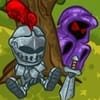
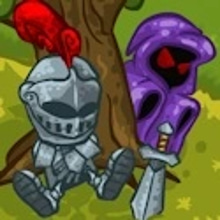
In Stolen Sword, you’re not chasing treasure. You’re chasing something more personal: your own weapon, your own identity, your own “I was literally holding that two seconds ago” moment. A wizard has stolen the knight’s sword and the world responds in the most unfair way possible by turning into a puzzle box full of gravity tricks, disappearing platforms, and passages that look safe right until you step on them. On Kiz10, this is a skill-and-puzzle platform adventure where your best weapon isn’t the sword you’re missing… it’s your timing, your patience, and your ability to stop jumping like a maniac for half a second and actually read the room.
The game hits that classic vibe: simple controls, clear goals, and levels that feel like tiny mechanical pranks. You can see the exit. You can see the route. And still, the path refuses to behave the way a normal path should. Floors tilt the logic. Platforms shift. Gravity becomes a suggestion instead of a rule. And you, the knight, keep moving anyway because what else are you going to do, retire peacefully and let the wizard win? Absolutely not. 😤
𝗚𝗥𝗔𝗩𝗜𝗧𝗬 𝗜𝗦 𝗧𝗛𝗘 𝗥𝗘𝗔𝗟 𝗩𝗜𝗟𝗟𝗔𝗜𝗡 🌀🧠
Stolen Sword is built around a simple truth: falling is easy, landing correctly is the hard part. Each stage is a small test of how well you can predict what happens after you jump, not during the jump. That sounds small until you realize most failures happen on the “after.” You leap, you feel confident, then the platform changes, the timing slips, the passage punishes you, and suddenly your knight is doing an unplanned return trip to the start like it’s a hobby.
The fun comes from learning the game’s rhythm. The levels don’t demand speed like a racing game. They demand awareness like a trap-filled corridor. Sometimes the right play is to move quickly while a platform is in the “safe” state. Other times, the right play is to hesitate, wait for the pattern to cycle, and then step forward with calm control. The game constantly tempts you into rushing because the objective looks close, but it rewards the player who treats every step like a question: is the floor still honest? Is the platform about to flip? Is this passage actually safe, or is it waiting to embarrass me?
𝗦𝗛𝗜𝗙𝗧𝗜𝗡𝗚 𝗣𝗟𝗔𝗧𝗙𝗢𝗥𝗠𝗦 𝗔𝗡𝗗 𝗦𝗠𝗔𝗟𝗟 𝗣𝗔𝗡𝗜𝗖 😅🟦
The “changing platforms” idea is the heart of the game’s personality. You’ll run into sections where the environment feels alive, like it’s breathing in patterns. A platform appears, then disappears. A route becomes possible, then closes again. A safe landing spot turns into a trap if you arrive half a second late. It’s not just “jump here.” It’s “jump here now.” And that “now” is where your brain wakes up.
This is the kind of game where you start talking to yourself without noticing. “Okay, wait… not yet… now… NO, not now… okay, now.” You’ll do a perfect sequence and feel unstoppable, then fail the next jump because you got excited and your timing collapsed. That emotional swing is part of the charm. Stolen Sword is simple enough to replay quickly, but sharp enough that you actually care when you mess up. It makes small mistakes feel dramatic, like the level is laughing softly in the background. 🙃
𝗧𝗛𝗘 𝗘𝗦𝗖𝗔𝗟𝗔𝗧𝗜𝗢𝗡: 𝗟𝗘𝗩𝗘𝗟𝗦 𝗧𝗛𝗔𝗧 𝗦𝗧𝗔𝗥𝗧 𝗦𝗠𝗜𝗟𝗜𝗡𝗚… 𝗧𝗛𝗘𝗡 𝗕𝗜𝗧𝗘 🐍🏰
Early levels teach you the rules gently. They show you what changes, how fast it changes, and how the knight moves through space. Then the game starts layering problems. A timing section plus a tight jump. A shifting platform plus a narrow passage. A sequence where you must commit to a direction and accept that turning back might not be possible. The difficulty grows in a way that feels fair, but definitely not kind.
What’s satisfying is that the game rarely feels random. When you fail, you can usually name the reason. You jumped too early. You hesitated too long. You didn’t notice the platform cycle. You treated the passage like it was decorative when it was obviously a threat. That clarity makes the game addictive because every attempt feels like practice, not punishment. You don’t think “this is impossible.” You think “I can do this cleaner.” And that thought is the most dangerous fuel in browser gaming. 😄
𝗧𝗛𝗘 𝗞𝗡𝗜𝗚𝗛𝗧’𝗦 𝗠𝗢𝗠𝗘𝗡𝗧𝗦: 𝗦𝗠𝗔𝗟𝗟 𝗛𝗘𝗥𝗢𝗜𝗦𝗠, 𝗕𝗜𝗚 𝗥𝗘𝗟𝗜𝗘𝗙 🛡️✨
There’s a special kind of victory in a puzzle platformer like this. It’s not the loud “boss defeated” kind. It’s the quiet relief of landing on the correct platform after a sequence you failed three times. It’s the moment you finally time the shift perfectly and slip through the scary passage while it’s open. It’s the instant where your knight stands still on safe ground and you realize your hands are tense because you were holding your breath. Then you exhale like, okay… okay, we’re alive. Now do it again. 😅
The stolen sword story gives everything a little extra spice. You’re not just reaching the end for points. You’re reclaiming what was taken. That makes the journey feel purposeful even though it’s mostly about jumps and timing. The wizard’s magic is basically a design excuse for the world to break physics, and honestly, it works. The fantasy theme makes the weirdness feel natural. Of course the platforms change. Of course gravity is unreliable. A wizard did it. That’s the explanation and the insult in one sentence. 🧙♂️
𝗛𝗢𝗪 𝗧𝗢 𝗦𝗧𝗢𝗣 𝗗𝗜𝗘𝗜𝗡𝗚 𝗧𝗛𝗘 𝗦𝗔𝗠𝗘 𝗪𝗔𝗬 (𝗬𝗢𝗨 𝗞𝗡𝗢𝗪 𝗧𝗛𝗘 𝗪𝗔𝗬) 😬🕰️
If you want to improve fast, start treating each obstacle like a rhythm instead of a wall. Watch the platform change twice before you move. Let your eyes learn the timing. Then act with commitment. Half-commitment is where the game eats you. Another trick is to plan your landing, not your jump. The jump is the easy part. The landing is where the level decides if you deserve progress.
Also, when you fail, don’t restart with anger. Restart with information. “I was early.” “I was late.” “I didn’t see the cycle.” That’s how Stolen Sword turns into a skill game instead of a coin flip. By the time you’re deep into the tougher stages, you’ll feel the difference: you’ll start beating sections not by luck, but by reading the level like it’s a moving machine.
And when you finally clear a difficult level, it feels like you stole something back from the wizard: control. Which is, honestly, the best kind of revenge.
𝗙𝗜𝗡𝗔𝗟 𝗩𝗜𝗕𝗘: 𝗔 𝗧𝗜𝗡𝗬 𝗙𝗔𝗡𝗧𝗔𝗦𝗬 𝗧𝗥𝗜𝗔𝗟 𝗢𝗡 𝗞𝗜𝗭𝟭𝟬 🏁🗡️
Stolen Sword belongs on Kiz10 because it’s quick to start, easy to understand, and surprisingly sticky once the levels begin to fight back. It’s a fantasy puzzle platformer where timing matters, patience wins, and the environments constantly tries to trick you into making a confident mistake. If you like gravity-based platform challenges, shifting obstacles, and that satisfying loop of fail-learn-win, this is the kind of game that will keep you saying “one more level” until you realize you’ve been doing “one more level” for a long time. 😄



 4.3 (45 votes)
 Share
Share
 Embed
Embed