𝗧𝗔𝗣𝗞𝗢: 𝗢𝗡𝗘 𝗧𝗔𝗣, 𝗢𝗡𝗘 𝗣𝗨𝗡𝗖𝗛, 𝗢𝗡𝗘 𝗠𝗢𝗥𝗘 𝗥𝗢𝗨𝗡𝗗 🥊⚡
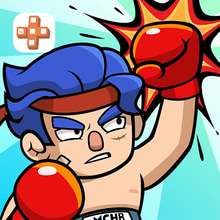
TapKO is a boxing game that doesn’t ask you to memorize complicated combos or juggle fifteen buttons like you’re flying a spaceship. It asks for one thing: your timing. One tap to attack, one tap to stay alive, one tap to keep climbing. It’s the kind of idle boxing experience that looks innocent for a moment, then starts speeding up until your brain turns into a tiny coach yelling “NOW!” at your finger.
The best way to describe TapKO on Kiz10 is: quick, punchy, and weirdly addictive. It’s a one-tap fighter where the ring is basically a loop of micro-decisions—jab, slip, strike again—while your boxer trains into a stronger, faster, more efficient machine. You start as a scrappy beginner, throwing simple hits. Then upgrades kick in, training stacks, and suddenly you’re watching your fighter operate like a tuned engine. You’re still tapping, but now it feels like directing momentum, not just clicking.
𝗧𝗛𝗘 𝗙𝗘𝗘𝗟 𝗢𝗙 𝗖𝗢𝗠𝗕𝗔𝗧: 𝗝𝗔𝗕, 𝗕𝗢𝗕, 𝗪𝗘𝗔𝗩𝗘, 𝗞𝗡𝗢𝗖𝗞𝗢𝗨𝗧 🥊🌀
Even though the controls are minimal, the rhythm feels like real boxing logic: strike when it’s safe, avoid eating damage for free, and keep your pressure consistent. TapKO rewards calm, not panic. If you spam taps with zero thought, you’ll still land hits, sure… but you’ll also get clipped, lose control of the flow, and suddenly the match feels messy. When you find the timing, everything clicks. Your taps become “decisions.” Your fighter looks smarter. You start feeling like you’re reading the opponent instead of just reacting.
And that’s the sneaky magic: TapKO is simple enough for anyone to start instantly, but it still gives you that “I’m improving” sensation because you begin to recognize patterns. The opponent telegraphs. Your window opens. You tap. The hit lands. You keep control. It becomes this clean little loop of prediction and execution, like boxing reduced to pure essence.
𝗧𝗥𝗔𝗜𝗡𝗜𝗡𝗚 𝗔𝗡𝗗 𝗜𝗗𝗟𝗘 𝗣𝗥𝗢𝗚𝗥𝗘𝗦𝗦: 𝗬𝗢𝗨𝗥 𝗙𝗜𝗚𝗛𝗧𝗘𝗥 𝗚𝗘𝗧𝗦 𝗕𝗘𝗧𝗧𝗘𝗥 𝗘𝗩𝗘𝗡 𝗪𝗛𝗘𝗡 𝗬𝗢𝗨’𝗥𝗘 𝗡𝗢𝗧 “𝗣𝗘𝗥𝗙𝗘𝗖𝗧” 🧠💪
TapKO leans into that idle game satisfaction where every session makes you stronger. You’re training a boxer, not just playing a single match. That means your progress doesn’t vanish the moment you lose a round. Your upgrades, improvements, and growth keep pushing your baseline upward, so the next time you step into the ring you feel the difference.
What makes that satisfying is how clear the growth feels. Early on, you might feel like you’re just chipping away at opponents. Later, your damage ramps up, your survivability improves, and your boxer starts turning fights into shorter, cleaner knockouts. The game gives you the fantasy of becoming a champion through repetition and tuning: better stats, better efficiency, better outcomes.
It also means the game works in two moods. If you want intensity, you can focus hard on timing, chain clean hits, and play like a precision fighter. If you want something lighter, you can treat it as an idle progression game where the main joy is watching your fighter evolve and your wins become more consistent over time. Both ways feel valid, which is why TapKO can be a “five minute break” game or a “why did I just play fifteen rounds?” game.
𝗧𝗛𝗘 𝗟𝗢𝗢𝗣 𝗧𝗛𝗔𝗧 𝗚𝗘𝗧𝗦 𝗬𝗢𝗨: 𝗦𝗛𝗢𝗥𝗧 𝗙𝗜𝗚𝗛𝗧𝗦, 𝗙𝗔𝗦𝗧 𝗥𝗘𝗪𝗔𝗥𝗗𝗦, 𝗭𝗘𝗥𝗢 𝗙𝗜𝗟𝗟𝗘𝗥 🔥🏆
TapKO doesn’t waste your time. It’s built around short bursts of action and constant reward feedback. You tap, you see impact. You win, you feel the payoff. You upgrade, you notice the next fight becomes easier or faster. That speed of feedback is what makes it dangerous in the best way. Your brain gets trained into “just one more upgrade, just one more match” because the steps are small and satisfying.
And because it’s boxing, there’s always an emotional angle. When you get knocked down, you don’t just lose numbers—you lose pride. Then you upgrade and come back stronger, which feels like revenge with a training montage attached. It’s silly, but it works. The game turns progress into a personal rivalry with the opponents and, honestly, with your own previous performance.
𝗦𝗠𝗔𝗥𝗧 𝗣𝗟𝗔𝗬: 𝗛𝗢𝗪 𝗧𝗢 𝗧𝗔𝗣 𝗟𝗜𝗞𝗘 𝗔 𝗖𝗛𝗔𝗠𝗣 🧤🧠
If you want TapKO to feel clean instead of chaotic, treat your tap like a punch, not like a button. That sounds dramatic, but it’s true. Watch the opponent’s rhythm and tap with intention. You’ll land more consistent hits and avoid those moments where you get punished because you were tapping on autopilot.
Also, don’t ignore the “defensive” side of the loop. In one-tap boxing games, players sometimes tunnel vision into damage and forget that survival is also a stat. If you’re getting dropped too often, it usually means your upgrades are unbalanced. Training your fighter into a glass cannon feels fun until you meet an opponent who hits back harder than your confidence.
And if the pace starts ramping up, simplify. Focus on landing safe hits first. Once you’re stable, then push for faster knockouts. TapKO is at its best when you feel in control of the tempo, even if the screen looks like a highlight reel.
𝗪𝗛𝗬 𝗧𝗔𝗣𝗞𝗢 𝗪𝗢𝗥𝗞𝗦 𝗢𝗡 𝗞𝗜𝗭𝟭𝟬 🥊✨
TapKO is a perfect fit for Kiz10 because it’s immediate. No complicated setup, no long tutorial wall. You get into the ring, tap to fight, train to grow, and chase the next KO. It blends the clean satisfaction of an arcade fighter with the longer-term pull of an idle upgrade loop. Whether you’re trying to play “one match” or trying to build a boxer that feels unstoppable, the game keeps the pace tight and the rewards frequent.
So if you want a boxing game that feels punchy without being complicated, TapKO delivers. One tap, one decision, one KO closer to the top. 🥊🏆⚡



 2 (165 votes)
 Share
Share
 Embed
Embed