𝗧𝗔𝗩𝗘𝗥𝗡 𝗕𝗥𝗔𝗪𝗟: 𝗪𝗛𝗘𝗥𝗘 𝗧𝗛𝗘 𝗙𝗟𝗢𝗢𝗥 𝗜𝗦 𝗦𝗧𝗜𝗖𝗞𝗬 𝗔𝗡𝗗 𝗧𝗛𝗘 𝗙𝗜𝗦𝗧𝗦 𝗔𝗥𝗘 𝗙𝗔𝗦𝗧 🍻🥊
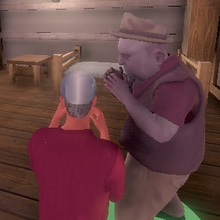
Tavern Brawl doesn’t pretend to be polite. It drops you into a noisy bar scene where the air feels thick, the crowd feels suspicious, and the only real currency is timing. On Kiz10, this is a fighting game built around quick reactions and constant pressure: you step into the tavern, you face rowdy opponents, and you fight your way through the chaos with clean hits, smart positioning, and that tiny voice in your head yelling “don’t get surrounded.”
The setting is half the fun. A tavern fight has a different vibe than a street fight. It’s cramped, messy, and unpredictable. You’re not in a clean arena with respectful spacing. You’re in a place where everyone looks like they might swing at you just because you exist. The game leans into that energy. It wants you alert. It wants your hands ready. It wants you to feel that split-second panic of realizing two enemies are closing in while you’re mid-attack. 😅
𝗣𝗨𝗥𝗘 𝗕𝗥𝗔𝗪𝗟𝗘𝗥 𝗘𝗡𝗘𝗥𝗚𝗬: 𝗛𝗜𝗧, 𝗠𝗢𝗩𝗘, 𝗥𝗘𝗦𝗘𝗧 ⚡👊
At its core, Tavern Brawl is about rhythm. You don’t win by mashing endlessly. You win by creating short, controlled bursts of offense, then resetting your position before the tavern turns into a dogpile. The best moments are when you land a clean sequence, watch an opponent drop, and immediately pivot to the next threat like you planned it… even if you were improvising and hoping for mercy.
Because the enemies are “drunken opponents,” their movement can feel messy and aggressive at the same time. That’s dangerous. Messy movement can trick your eyes. You think you have space, then an enemy staggers into range and suddenly you’re trading hits in a spot you didn’t want to be in. The game rewards players who keep a little distance, bait attacks, and strike when the opening is obvious.
If you treat every fight like a small puzzle, you start improving fast. Where’s the safest side of the room? Which direction gives you an escape route? Can you line enemies up so they can’t hit you all at once? Those little decisions are the difference between “I’m in control” and “why am I getting punched from three angles.” 😭
𝗧𝗛𝗘 𝗦𝗨𝗥𝗥𝗢𝗨𝗡𝗗 𝗧𝗥𝗔𝗣: 𝗧𝗛𝗘 𝗧𝗔𝗩𝗘𝗥𝗡’𝗦 𝗙𝗔𝗩𝗢𝗥𝗜𝗧𝗘 𝗝𝗢𝗞𝗘 🌀🍺
The tavern setting makes crowd control the real challenge. In many beat ’em up games, you can push forward and clear a line. Here, it’s easy to get boxed in, especially if you chase one opponent too far into a corner. The game’s most common “gotcha” is the surround. You get greedy, you commit to too many swings, and the moment you whiff or pause, other fighters collapse on you.
So the smarter approach is to fight like you’re managing a storm. You want the enemies in front of you, not on both sides. You want to keep moving, not because running away is cool, but because movement is defense. A small reposition can turn a bad situation into a manageable one. And once you start doing that instinctively, Tavern Brawl feels less like chaos and more like controlled mayhem.
There’s also a weirdly satisfying feeling when you break the surround without brute force. One clean hit. One step to the side. Suddenly you’re out of the pocket and the enemies have to re-approach. That’s when you feel skilled, not lucky.
𝗧𝗜𝗠𝗜𝗡𝗚 𝗜𝗦 𝗬𝗢𝗨𝗥 𝗕𝗘𝗦𝗧 𝗪𝗘𝗔𝗣𝗢𝗡 ⏱️🧠
Tavern Brawl shines when you play it like a timing game. Watch for telegraphed movements, strike into openings, and stop swinging the moment you’ve earned space. It’s tempting to keep attacking because it feels powerful. But overcommitting is how you get clipped. And getting clipped repeatedly is how you lose control of the fight.
The best players develop a “hit-and-check” habit. Land a hit, check spacing, adjust. Land another, check again. It sounds slow, but it’s actually faster because you take fewer hits and spend less time recovering. You stay active, you stay safe, and your fights stay clean.
You’ll notice that the game feels different depending on your mindset. If you’re impatient, it feels unfair. If you’re calm, it feels readable. The opponents aren’t unbeatable; they just punish sloppy tempo. When you slow down for half a second to read the next approach, your success rate jumps. Then you start speeding up again because confidence arrives. Then you get punished because confidence is a liar. Then you learn again. Beautiful cycle. 😄
𝗧𝗛𝗘 𝗙𝗨𝗡 𝗢𝗙 𝗧𝗔𝗞𝗜𝗡𝗚 𝗖𝗢𝗡𝗧𝗥𝗢𝗟 𝗢𝗙 𝗧𝗛𝗘 𝗥𝗢𝗢𝗠 🧭🥋
This is where Tavern Brawl becomes addictive on Kiz10: the sensation of turning a messy bar fight into something you’re controlling. You start recognizing where fights go wrong. You stop chasing opponents into tight spots. You keep the center when it’s safe. You retreat when it’s smart. You don’t let enemies dictate the angle of engagement.
And once you start playing with that “room control” mentality, every victory feels earned. It’s not just “I punched harder.” It’s “I made better choices under pressure.” That’s a satisfying kind of win, because it doesn’t disappear when the level changes. Skill carries.
Even the simplest brawler becomes deep when it forces you to think about space, timing, and tempo. Tavern Brawl does exactly that. It doesn’t need a giant move list to feel engaging. The fun comes from reading the fight and acting at the right moment.
𝗪𝗛𝗬 𝗧𝗔𝗩𝗘𝗥𝗡 𝗕𝗥𝗔𝗪𝗟 𝗪𝗢𝗥𝗞𝗦 𝗦𝗢 𝗪𝗘𝗟𝗟 𝗢𝗡 𝗞𝗜𝗭𝟭𝟬 🏆🔥
Tavern Brawl is perfect for quick sessions because the concept is immediate: step in, fight, survive, repeat. It’s also perfect for longer sessions because improvement is obvious. You feel yourself getting cleaner. You feel your reactions sharpening. You feel yourself making fewer “dumb” mistakes, like attacking into a crowd or standing still when you should be moving.
If you enjoy brawler combat, beat em up pacing, and fighting games where reflexes and positioning matter more than complicated systems, Tavern Brawl is an easy yes. It’s loud, it’s scrappy, it’s occasionally unfair in that “you walked into a mob” way, and it’s satisfying when you finally clear a messy situation without losing control. The tavern is chaotic, but your job is to makes it quiet… one knockout at a time. 🍻👊





 4.6 (15 votes)
 Share
Share
 Embed
Embed