𝗠𝗶𝗿𝗿𝗼𝗿𝘀 𝗗𝗼𝗻’𝘁 𝗟𝗶𝗲… 𝗧𝗵𝗲𝘆 𝗝𝘂𝘀𝘁 𝗦𝘁𝗮𝗿𝗲 🪞😬
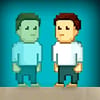
The Splitting Chapter 2 isn’t the kind of adventure game that starts with a bang. It starts with a feeling. That quiet, wrong feeling you get when a place looks normal at first glance, but the details don’t line up if you stare too long. A door that feels too clean. A hallway that seems to echo more than it should. A mirror that should show you something familiar, and instead gives you a blank answer like it’s refusing to cooperate. This is a story-driven mystery puzzle game where the world is split, your reality is suspect, and every object you pick up feels like a clue and a warning at the same time. On Kiz10 it plays like a weird dream you can control with clicks and curiosity, and the worst part is how fast you start caring. You’ll tell yourself you’re just exploring… then you’ll find something unsettling and suddenly you’re leaning closer to the screen like the game might whisper back.
Chapter 2 is where the tone gets sharper. The first part of a mystery often feels like discovery. The second part feels like consequences. You already know mirrors aren’t just decoration here. They’re doors, they’re traps, they’re a shortcut into places that feel familiar but behave differently. And the longer you stay in this world, the more it feels like the world is learning you too. Not in a “the game reads your mind” way, more in a “your habits are now part of the puzzle” way. You start checking everything. You start second-guessing what “safe” means. You start reading tiny details like they’re confession notes.
𝗔 𝗦𝘁𝗼𝗿𝘆 𝗧𝗵𝗮𝘁 𝗪𝗮𝗹𝗸𝘀 𝗦𝗹𝗼𝘄𝗹𝘆… 𝗦𝗼 𝗜𝘁 𝗖𝗮𝗻 𝗚𝗿𝗮𝗯 𝗬𝗼𝘂 🕯️📜
This isn’t a sprint. It’s a slow pull. The Splitting Chapter 2 is built around atmosphere and investigation, not jump-scare spam. The fear comes from the idea that you’re not alone in what you’re experiencing. The world feels populated by people who also have missing pieces, and that changes the mood instantly. It’s not just you vs puzzles. It’s you vs a situation that seems bigger than you, older than you, and oddly organized. You talk, you listen, you notice how certain conversations land like hints, and how others land like warnings you don’t fully understand yet.
The storytelling has that “found mystery” energy where you’re stitching together meaning from notes, objects, scenes, and the way characters react to things you thought were normal. You’re not given a big exposition dump. You’re given fragments. And your brain does the rest, which is the scariest part because your brain is extremely creative when it’s uncomfortable. You’ll walk into a room and think, okay, this is fine… and then you’ll notice one tiny thing that doesn’t belong and suddenly it’s not fine anymore. The game is very good at making you feel like you’re solving something while also realizing that solving it might make the world even weirder.
𝗣𝘂𝘇𝘇𝗹𝗲𝘀 𝗧𝗵𝗮𝘁 𝗙𝗲𝗲𝗹 𝗟𝗶𝗸𝗲 𝗧𝗵𝗲𝘆 𝗪𝗲𝗿𝗲 𝗠𝗮𝗱𝗲 𝗕𝘆 𝗦𝗼𝗺𝗲𝗼𝗻𝗲 𝗪𝗵𝗼 𝗟𝗶𝘃𝗲𝘀 𝗛𝗲𝗿𝗲 🧩🗝️
The puzzle design in The Splitting Chapter 2 is the kind that rewards patience, not brute force. You’ll collect items, sure, but it’s not a messy inventory party where you spam every item on every object until something works. The best solutions tend to come from understanding the space. What does this room want you to notice? What detail keeps repeating? What symbol is trying to be seen? The game nudges you toward thinking like a detective, except your crime scene is reality itself and the suspect is a mirror.
Some puzzles are about combination and sequence. Others are about observation, reading what’s in front of you rather than what you wish was there. And the most satisfying ones are the puzzles that click after you’ve walked away and come back, because you suddenly see the relationship between two details that felt unrelated. That “ohhhhh” moment lands hard here, because it doesn’t just solve a lock, it often reveals something about the world’s rules. The Splitting isn’t interested in random riddles. It wants your brain to learn the logic of the split world, and once you start learning it, you stop playing the game like a tourist and start playing like someone who’s trying to survive the truth.
𝗧𝗵𝗲 𝗠𝗶𝗿𝗿𝗼𝗿 𝗪𝗼𝗿𝗹𝗱 𝗜𝘀 𝗙𝗮𝗺𝗶𝗹𝗶𝗮𝗿… 𝗧𝗵𝗮𝘁’𝘀 𝗪𝗵𝘆 𝗜𝘁’𝘀 𝗦𝗼 𝗖𝗿𝗲𝗲𝗽𝘆 🌫️🪞
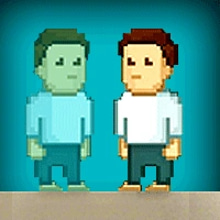
The most unsettling thing about this kind of story is that it doesn’t look alien. It looks almost normal. That “almost” is the poison. You’ll see places that resemble the real world, but the vibe is off in small ways. The lighting feels wrong. The silence feels heavier. Objects feel placed rather than left. And the mirror concept twists everything, because it turns reflection into a theme you can’t escape. You start thinking about doubles, about missing pieces, about what it means to be seen. The game doesn’t have to scream at you to be uncomfortable. It just keeps putting you in situations where the idea of a “reflection” stops being a harmless image and starts feeling like a character that made its own choices.
And because you’re playing, you become part of that tension. You’re the one making decisions, poking at the world, opening doors you probably shouldn’t open, progressing because curiosity is stronger than caution. Every time you solve a puzzle you get that satisfying rush of progress… and then the story gives you something new to worry about. It’s a clean loop: curiosity leads to progress, progress leads to unease, unease leads to more curiosity because now you need answers.
𝗘𝘅𝗽𝗹𝗼𝗿𝗲, 𝗕𝘂𝘁 𝗘𝘅𝗽𝗹𝗼𝗿𝗲 𝗟𝗶𝗸𝗲 𝗬𝗼𝘂’𝗿𝗲 𝗕𝗲𝗶𝗻𝗴 𝗪𝗮𝘁𝗰𝗵𝗲𝗱 👁️🧠
If you want to feel good at The Splitting Chapter 2, the best mindset is simple: slow down on purpose. This is not a game you beat by rushing through screens. Rushing makes you miss the tiny cues that the puzzles are built around. The game’s logic is usually fair, but it’s quiet. It doesn’t shove solutions into your face. It places them in the world and trusts you to notice. Read everything. Click suspicious objects. Re-check rooms after key events. If something felt useless earlier, it might become meaningful later, and the game loves that delayed payoff.
Another thing you’ll learn quickly is that inventory items are rarely “magic keys” by themselves. They’re context tools. You use them when the environment suggests it. A locked mechanism often has a visual hint. A strange object often matches a strange slot. A note often explains a pattern you didn’t realize was a pattern. The game rewards players who connect information, not just players who hoard objects.
You’ll also get better by managing your own panic. Because yes, even in a point-and-click adventure, panic exists. It’s the panic of being stuck. The panic of not knowing what the story wants from you. The panic of thinking you missed something obvious and now you’re doomed. When that happens, don’t spiral. Do the boring detective thing: revisit rooms, read clues again, test the most logical interaction first. The moment you stop flailing, the solution often appears like it was waiting for you to calm down. Annoying. But also kind of brilliant.
𝗪𝗵𝘆 𝗜𝘁 𝗛𝗶𝘁𝘀 𝗦𝗼 𝗪𝗲𝗹𝗹 𝗼𝗻 𝗞𝗶𝘇𝟭𝟬 🕹️🌑
The Splitting Chapter 2 is perfect for Kiz10 because it’s a browser-friendly mystery adventure that delivers atmosphere and story without needing a huge time commitment to “get started.” You can play in short sessions, solve a few puzzles, and still feel progress. But it’s also the kind of game that makes you want to keep going because the mystery is sticky. Once you understand the mirror concept, you want to see what it means. Once you meet the people living with the consequences, you want to know why. Once you notice the world’s rules, you want to test them. That’s the hook. It’s not just puzzles. It’s the feeling that the world has an answer and you’re chasing it through glass.
If you like horror-leaning mystery games, escape-room logic, eerie exploration, and story puzzles that feel like they’re unfolding inside a dream you can’t quite explain, The Splitting Chapter 2 delivers that exact flavor. Just remember: the mirrors aren’t decorations. They’re the whole problem. 🪞😈












 Share
Share
 Embed
Embed