🕯️ Footsteps, then nothing
The door behind you clicks like a decision made by someone else. In Timore, silence is not empty; it is a tightrope. Air hums. Pipes murmur. Somewhere, metal sighs like a bad memory remembering you. This is first-person horror distilled to its sharpest edges: a light, a map that refuses to be honest, and a predator that edits the rules when you think you’ve learned them. You are not fast. You are not strong. You are stubborn, and sometimes, stubborn is enough.
👁️ The thing with the wrong smile
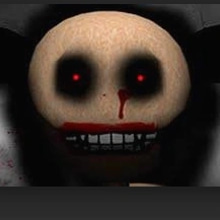
Call it Timore, call it the shadow with teeth, call it the figure that stands too still at the end of the hall. It does not rush unless you rush. It does not speak unless you ignore it. It learns the shape of your panic and wears it back to you. You will see it in reflections that don’t line up, behind glass that shouldn’t hold shapes, across rooms where distance lies. It never uses jump scares cheaply. It waits, then moves an inch when you blink, like a painting with opinions. You are the mouse and the maze, but the cat is also the maze. Cozy.
🔦 Flashlight, meet responsibility
Your flashlight is bright enough to erase doubt and small enough to make new doubts by running out of comfort at the worst possible second. Its beam swallows dust, reveals scratch marks, tugs details out of corners where details prefer to nap. It also broadcasts you. Light draws lines through fog that enemies trace like invitations. You will learn to “feather” the beam—short pulses to read a room, then dark, then another pulse. The battery meter is honest, the shadows are not. Use glow from exit signs, sparks from frayed cables, and the occasional benevolent leak of moonlight to move like a rumor no one can quote.
🧩 Puzzles that breathe the same air as fear
Locks do not ask for keys; they ask for attention. A fuse box with one wrong fuse stutters the hallway in a rhythm you can ride if you count. A security panel wants a code hidden in the way office chairs are left—one pointing north, three east, two south. A door opens if you stop looking at it and closes if you stare, which is rude, but fair once you realize the rule. Notes scrawled on walls use words sparingly and symbols with malice; they are not exposition, they are tools. Each puzzle fits the place that holds it, like the building is trying to help you even as it creaks to warn you.
🎭 The building as a character, not a backdrop
Timore’s spaces feel lived in and left behind. Break rooms fossilized in last lunches. Elevators with their teeth pulled. Archive stacks that choke on dust and keep coughing up folders that never made it to the right desk. Vent shafts carry other people’s whispers, or rats pretending to be other people’s whispers, or something that also thinks of you as “other people.” Layouts curl into themselves: short cuts that are long regrets, long routes that reward patience with a single safe breath beside an emergency phone that no longer knows what emergencies are. Every corridor has a ghost story; you are the interrupting sentence.
🎮 Movement with meaning, not sprint spam
Running is a verb you earn, not a default state. Sneaking matters. Walking slowly makes less noise, which changes what spawns, which changes what follows. Crouch to kiss the floor with your weight and stop glass shards from tattling. Lean around corners to keep your silhouette short. Doors swallow time when you open them too fast; practice turning handles like you respect them and hinges whisper thanks instead of alarms. When you finally sprint, it’s a sprint that counts, a three-second prayer your lungs translate into survival.
🔊 Sound that tells the truth and dares you to doubt it
Headphones are recommended because the mix is a map. A fluorescent ballast ticks faster when your light isn’t welcome. The right ear cough means there’s a vent above the photocopier. Wet footsteps do not belong on dry tile, which is how you decide to hide in the utility closet with the mop that smells like mothballs and hope. Music behaves like weather: it rises when you are seen, falls when you are forgotten, and sometimes layers a violin thread you can only hear when you stand in the exact center of a room—right where the floorboards remember a name you haven’t learned yet.
🩸 Resource scarcity that feels like design, not punishment
Stims, fuses, batteries, and bolt cutters are rare but placed with care. If you hoard everything, the game notices and asks you politely to get over yourself. If you spend recklessly, the next hall teaches budgeting with a locked door and a sigh. Healing is not a reset button; it’s a slow un-throb that gives you permission to keep making small gambles. Inventory is a poem of four pockets. Decide what kind of survivor you want to be: the one with tools, the one with light, or the one with enough space to carry an answer you haven’t found yet.
🗺️ Chapters that change the rules without breaking them
The Offices teach line-of-sight and the gospel of leaning. The Maintenance Floors make sound the main mechanic; valves hiss, grates rattle, fans stutter, and you learn to move on rests, not notes. The Gallery swaps concrete for polished floors and gives you statues that only respect you when you don’t respect them, which is a puzzle disguised as etiquette. The Sublevel hosts the best kind of chase: fair, readable, and mean in the way weather is mean—indifferent to your plans. Every new area remixes your skills, never your patience.
🪞 Lore in fragments, never in lectures
Timore does not dump a diary in your lap. It hands you a torn ID card that has been swiped so many times the photo is a smudge and the name is a guess. It lets you overhear two minutes of a recorded safety briefing that spent the rest of its life being ignored. It shows you a child’s drawing of a monster that looks exactly like—not quite. Stories show up as gaps you fill with the shape of your own fear. The result feels personal, because it is.
⚠️ Encounters that respect your choices
When the creature arrives, it does not cheat. It follows rules you can learn. Eyes track light, not breath. Footfalls trigger in certain tiles, not in others. If you watch carefully, it hesitates at thresholds and blinks when sprinklers pop. You can abuse that blink—one step, two steps, door. If it corners you, you had warnings. If you escape, it isn’t luck; it’s a math problem your body solved while your brain screamed.
🧠 Little rituals that keep you alive
Point your flashlight at the ground, not the horizon, so the cone reads floor junk and prints fewer shadows that lie. Count to three before crossing a doorway; your third beat always lands between patrol cycles. Choose a “safe object” in every room—a copier, a bucket, a potted plant—and practice reaching it without looking, so panic hands have a plan. If the hall feels wrong, walk backward and watch the walls; sometimes the monster hides in geometry, and sometimes geometry is the monster. Remember: fear wants you fast; winning wants you exact.
✨ Why it belongs on Kiz10
Because Timore delivers the kind of lean, smart horror that makes ten minutes feel like a night and a night feel like a story you earned. It’s cinematic without cinematics, tricky without tricks, and generous with that priceless feeling of outwitting something bigger than you. The controls are crisp, the scares are honest, and the pacing respects players who prefer dread to cheap fireworks. Come for a shiver, stay for the second ending you swear you’re brave enough to unlock, and leave with a heartbeat that still thinks it hears footsteps two rooms away.





 4 (435 votes)
 Share
Share
 Embed
Embed