𝗧𝗜𝗡𝗬 ⛳ 𝗖𝗢𝗨𝗥𝗦𝗘𝗦, 𝗕𝗜𝗚 𝗣𝗥𝗢𝗕𝗟𝗘𝗠𝗦
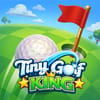
Tiny Golf King takes one of the simplest ideas in browser gaming and turns it into something dangerously hard to stop playing. You have a ball, a hole, and a course that looks innocent for about three seconds before it starts revealing all the tiny ways it wants to ruin your shot. That is exactly why the game works. It is clean, immediate, and built around that perfect little loop where every miss feels fixable and every success feels just satisfying enough to make the next level impossible to ignore.
On Kiz10, this kind of golf game fits beautifully because it keeps the controls simple and the challenge sharp. You do not need to memorize a hundred systems or learn some dramatic sports simulation language. You aim, control your shot, and try to complete each hole with smart power and good timing. That simplicity is a strength. It means the real challenge comes from the courses themselves, and that is always where mini golf becomes most addictive.
𝗘𝗔𝗦𝗬 🎯 𝗧𝗢 𝗨𝗡𝗗𝗘𝗥𝗦𝗧𝗔𝗡𝗗, 𝗔𝗡𝗡𝗢𝗬𝗜𝗡𝗚 𝗧𝗢 𝗠𝗔𝗦𝗧𝗘𝗥
One of the best things about Tiny Golf King is how quickly it gets to the point. The game does not waste time pretending to be complicated. You use the mouse or touch controls, line up the shot, and start working through the levels. That immediate start is perfect for a browser golf game. The fun arrives fast, and once it does, it starts quietly building that dangerous little obsession all great casual physics games rely on.
The real challenge comes from the spaces between what looks easy and what actually is easy. A straight shot might not stay straight once walls, angles, bumps, or tight lanes get involved. A little too much power turns a promising attempt into a bad bounce. Too little power leaves you with another awkward setup shot and the feeling that you were almost smart enough the first time. That constant tension between control and correction is exactly what keeps mini golf fun.
𝗣𝗢𝗪𝗘𝗥 🌀 𝗜𝗦 𝗡𝗢𝗧 𝗘𝗩𝗘𝗥𝗬𝗧𝗛𝗜𝗡𝗚, 𝗕𝗨𝗧 𝗕𝗔𝗗 𝗣𝗢𝗪𝗘𝗥 𝗜𝗦 𝗔 𝗗𝗜𝗦𝗔𝗦𝗧𝗘𝗥
A game like Tiny Golf King lives on power control. It is not enough to know where the ball should go. You also need to know how hard to send it there. That tiny judgment call is where the whole game gets its personality. A strong shot can rescue a tricky angle or create a perfect rebound. The exact same shot, one little bit stronger, can completely destroy your plan and leave the ball somewhere annoying and emotionally disrespectful.
That is why every level becomes a small puzzle instead of just a sports challenge. You are not only aiming at the hole. You are thinking about travel, rebound, stopping distance, and whether the safest route is actually the smartest one. Tiny Golf King sounds simple because the controls are simple, but the thought process behind a good shot is much richer than that.
𝗘𝗩𝗘𝗥𝗬 🏁 𝗛𝗢𝗟𝗘 𝗙𝗘𝗘𝗟𝗦 𝗟𝗜𝗞𝗘 𝗔 𝗟𝗜𝗧𝗧𝗟𝗘 𝗔𝗥𝗚𝗨𝗠𝗘𝗡𝗧 𝗪𝗜𝗧𝗛 𝗚𝗥𝗔𝗩𝗜𝗧𝗬
What makes mini golf games so satisfying is that they turn tiny spaces into real challenges. The ball is small. The hole is small. The maps are compact. And yet somehow one bad bounce can feel like a personal insult. Tiny Golf King clearly leans into that feeling across more than 45 levels, which is a strong number for this kind of game because it gives the concept room to evolve without overstaying its welcome.
As the levels get harder, the real joy comes from adaptation. Early stages teach the basics. Later ones start demanding more patience, cleaner angles, and a much better understanding of how your shot will behave after impact. That progression is important. A good golf puzzle game does not need to become noisy or dramatic to stay interesting. It just needs the next level to make you think a little differently from the last one.
𝗧𝗜𝗡𝗬 👑 𝗚𝗢𝗟𝗙 𝗞𝗜𝗡𝗚 𝗪𝗢𝗥𝗞𝗦 𝗕𝗘𝗖𝗔𝗨𝗦𝗘 𝗘𝗩𝗘𝗥𝗬 𝗡𝗘𝗔𝗥-𝗠𝗜𝗦𝗦 𝗙𝗘𝗘𝗟𝗦 𝗟𝗜𝗞𝗘 𝗔 𝗣𝗥𝗢𝗠𝗜𝗦𝗘
There is a special kind of browser-game magic that happens when failure does not feel final, only irritatingly close to success. That is exactly the kind of energy a game like this needs. If a shot goes badly, you do not feel lost. You feel annoyed in a productive way. You know the hole is possible. You just need one cleaner angle, one softer touch, one slightly smarter rebound. That is why players keep going.
Tiny Golf King seems built for that loop. Quick retry energy. Clean presentation. Straightforward input. Short challenge-to-reward cycle. All of those things help transform a basic golf concept into something much more compulsive. One more level becomes one more correction, then one more, then suddenly you are still playing because the next course definitely looks beatable.
𝗚𝗢𝗟𝗙 ⛳ 𝗚𝗔𝗠𝗘𝗦 𝗔𝗥𝗘 𝗕𝗘𝗦𝗧 𝗪𝗛𝗘𝗡 𝗧𝗛𝗘𝗬 𝗦𝗧𝗔𝗬 𝗖𝗔𝗟𝗠 𝗔𝗡𝗗 𝗖𝗟𝗘𝗩𝗘𝗥
Another reason Tiny Golf King has appeal is the tone. It sounds like the game knows exactly what it wants to be: simple, intuitive, fun, and addicting. That is actually the perfect promise for mini golf. This genre works best when it feels calm on the surface but quietly challenging underneath. You should be able to relax into it, but not switch your brain off completely. The player should feel comfortable right until the course asks a rude little question about angles and precision.
That balance is what makes golf puzzle games so friendly to a wide audience. A new player can understand them immediately. A more patient player can start optimizing shots and aiming for cleaner clears. The same level can feel casual or competitive depending on the mindset you bring into it. That flexibility is one of the reasons games like this stay popular.
𝗪𝗛𝗬 ✨ 𝗧𝗜𝗡𝗬 𝗚𝗢𝗟𝗙 𝗞𝗜𝗡𝗚 𝗙𝗜𝗧𝗦 𝗞𝗜𝗭10
Tiny Golf King fits Kiz10 because it offers the exact kind of browser-friendly challenge that works well on the site: simple controls, fast entry, short levels, and a strong “one more try” loop. It is the kind of game that is easy to recommend to anyone who likes clean puzzle design, light sports mechanics, and satisfying precision without unnecessary complexity.
If you enjoy mini golf games, angle-based challenges, and physics puzzles where every shot matters a little more than you want to admit, this one has all the right ingredients. It stays small, sharp, and focused, which is exactly why it is so hard to leave alone.



 2 (161 votes)
 Share
Share
 Embed
Embed