🏙️ 𝗘𝗩𝗘𝗥𝗬 𝗕𝗜𝗚 𝗖𝗜𝗧𝗬 𝗦𝗧𝗔𝗥𝗧𝗦 𝗪𝗜𝗧𝗛 𝗔 𝗧𝗜𝗡𝗬 𝗣𝗟𝗢𝗧 𝗔𝗡𝗗 𝗔 𝗩𝗘𝗥𝗬 𝗕𝗜𝗚 𝗜𝗗𝗘𝗔
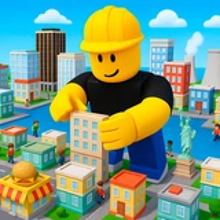
Tiny Obby Town Tycoon begins in the most satisfying way a building game can begin: with almost nothing. A small patch of land, a few early structures, and the promise that this quiet little place can become something much bigger if you manage it well. That promise is the hook. This is a city-building tycoon game with Roblox-style energy, but what makes it so easy to enjoy is how clearly it turns every small upgrade into visible progress. A simple area becomes a working district. A working district becomes a growing town. A growing town starts feeling like something with real momentum.
That sense of growth is what makes the game stick. You are not just placing buildings for decoration or tapping through empty menus while numbers rise somewhere off-screen. You build, collect income, unlock more land, improve what already exists, and watch the city become richer with each smart reinvestment. It has that very nice tycoon rhythm where every choice seems to open the next possible improvement. And once that loop starts working, it gets surprisingly hard to stop.
💸 𝗧𝗛𝗘 𝗚𝗔𝗠𝗘 𝗨𝗡𝗗𝗘𝗥𝗦𝗧𝗔𝗡𝗗𝗦 𝗧𝗛𝗔𝗧 𝗦𝗘𝗘𝗜𝗡𝗚 𝗚𝗥𝗢𝗪𝗧𝗛 𝗜𝗦 𝗛𝗔𝗟𝗙 𝗧𝗛𝗘 𝗙𝗨𝗡
A lot of tycoon games live or die based on whether the player can actually feel progress. Tiny Obby Town Tycoon does a good job here because its economy is tied closely to what you see happening in the world. You begin with basic structures, gather earnings from them, and then use that money to improve the area in very clear ways. New zones open. Better buildings appear. The land starts looking more valuable, more organized, more alive. Those visual changes matter. They turn revenue into something tangible.
That is one of the reasons the game feels relaxing instead of dry. You are not managing an invisible spreadsheet. You are shaping a town. Every upgrade changes the space around you and gives the city more identity. When a district expands or a more profitable structure becomes available, it feels like the result of your decisions, not just a random reward tossed onto the screen. That makes every collected payment more satisfying.
And because the game starts small, the transformation feels stronger. The more modest the beginning, the better the city’s later success looks. Tiny beginnings make big progress feel earned.
🧱 𝗕𝗨𝗜𝗟𝗗𝗜𝗡𝗚 𝗔 𝗖𝗜𝗧𝗬 𝗙𝗘𝗘𝗟𝗦 𝗕𝗘𝗧𝗧𝗘𝗥 𝗪𝗛𝗘𝗡 𝗘𝗔𝗖𝗛 𝗨𝗣𝗚𝗥𝗔𝗗𝗘 𝗔𝗖𝗧𝗨𝗔𝗟𝗟𝗬 𝗠𝗔𝗧𝗧𝗘𝗥𝗦
Tiny Obby Town Tycoon keeps the structure clean in a very smart way. You are constantly moving between a few clear priorities: collect income, invest it wisely, unlock fresh territory, and use each new improvement to multiply your future earnings. That loop sounds simple, and it is, but simple is exactly why it works so well. It always gives you something obvious to care about without becoming noisy or confusing.
The best part is how every improvement feeds the next one. A better building means more revenue. More revenue means faster unlocking. More unlocked space means more room for stronger income sources. The whole game operates on that gentle upward spiral that makes tycoon design so addictive. One good purchase makes the next purchase more possible, and the next one after that starts looking tempting almost immediately.
That creates a strong “one more upgrade” effect. You are always close enough to another meaningful improvement that leaving feels slightly wrong. Not impossible. Just wrong enough to keep you around longer than planned.
🏘️ 𝗧𝗛𝗘 𝗧𝗢𝗪𝗡 𝗚𝗥𝗢𝗪𝗦 𝗕𝗘𝗖𝗔𝗨𝗦𝗘 𝗬𝗢𝗨 𝗞𝗘𝗘𝗣 𝗥𝗘𝗜𝗡𝗩𝗘𝗦𝗧𝗜𝗡𝗚, 𝗡𝗢𝗧 𝗕𝗘𝗖𝗔𝗨𝗦𝗘 𝗧𝗛𝗘 𝗚𝗔𝗠𝗘 𝗛𝗔𝗡𝗗𝗦 𝗜𝗧 𝗧𝗢 𝗬𝗢𝗨
One of the more satisfying things here is that the economy rewards discipline. It is very easy in games like this to get distracted by the flashiest unlock, but Tiny Obby Town Tycoon seems to work best when you keep the long view in mind. Collect, reinvest, expand, and repeat. Players who understand that rhythm start progressing much faster than those who just grab the first upgrade that looks exciting.
That is where the game becomes a little more strategic than it first appears. Yes, it is accessible. Yes, the interface is simple. But success still depends on understanding balance. You want more income, but you also want to keep opening the city. You want to spend, but you do not want to choke your own growth by making one bad investment at the wrong time. Those little economic judgments make the experience much more satisfying because they give the player real ownership over the town’s progress.
It also helps that the game keeps the pressure low. You are not panicking through timers or fighting off disasters every ten seconds. The challenge is more about making good choices steadily, which fits the cozy tycoon vibe much better.
🌆 𝗡𝗘𝗪 𝗭𝗢𝗡𝗘𝗦 𝗚𝗜𝗩𝗘 𝗧𝗛𝗘 𝗚𝗔𝗠𝗘 𝗜𝗧𝗦 𝗦𝗘𝗡𝗦𝗘 𝗢𝗙 𝗦𝗖𝗔𝗟𝗘
Unlocking fresh territory is one of the most satisfying parts of Tiny Obby Town Tycoon because it changes the whole emotional feel of the game. Early on, the town feels humble. Familiar. Limited. Then more space opens, and suddenly the whole project becomes more ambitious. The city is not just improving. It is spreading. That gives the game scale, and scale is what makes a builder game feel exciting in the long run.
A new zone is never only more land. It is possibility. More lucrative buildings. More income routes. More visual variety. More evidence that your tiny settlement is slowly becoming something that matters. That feeling is crucial in games like this. Players need to believe the city can keep getting better, and opening more space is one of the best ways to show that.
It also prevents the loop from becoming too repetitive. Even when the core actions stay the same, the available opportunities keep changing, and that keeps the progression fresh. A larger city naturally asks for bigger plans.
🎮 𝗦𝗜𝗠𝗣𝗟𝗘 𝗖𝗢𝗡𝗧𝗥𝗢𝗟𝗦 𝗔𝗡𝗗 𝗔 𝗖𝗟𝗘𝗔𝗡 𝗜𝗡𝗧𝗘𝗥𝗙𝗔𝗖𝗘 𝗔𝗥𝗘 𝗔 𝗕𝗜𝗚 𝗣𝗔𝗥𝗧 𝗢𝗙 𝗪𝗛𝗬 𝗜𝗧 𝗪𝗢𝗥𝗞𝗦
Tiny Obby Town Tycoon benefits a lot from staying approachable. The interface does not fight the player. The flow of collecting and upgrading remains readable. The game is easy to step into, which matters because builder and tycoon games are at their best when the player can focus on decisions, not on learning awkward systems. That makes it friendly to newer players while still giving experienced tycoon fans enough room to enjoy the climb.
The bright design helps too. It keeps the city visually cheerful and easy to read, which supports the whole relaxed progression feel. A game like this should feel inviting. It should make the player want to come back and see what the town looks like after a few more upgrades. Tiny Obby Town Tycoon clearly understands that appeal.
It is also the kind of game that fits both quick and long sessions. You can jump in, collect income, buy one or two upgrades, and leave satisfied. Or you can stay longer because the city is so close to another expansion that stopping feels rude.
🚀 𝗪𝗛𝗬 𝗧𝗜𝗡𝗬 𝗢𝗕𝗕𝗬 𝗧𝗢𝗪𝗡 𝗧𝗬𝗖𝗢𝗢𝗡 𝗙𝗜𝗧𝗦 𝗦𝗢 𝗪𝗘𝗟𝗟 𝗢𝗡 𝗞𝗜𝗭𝟭𝟬
On Kiz10, Tiny Obby Town Tycoon is a strong fit for players who enjoy city-building games, idle income loops, light management, and Roblox-style progression with clear visual rewards. It has that nice browser-game balance where the premise is instantly understandable, but the upgrade cycle remains strong enough to hold attention for a long time. That is a very good combination.
If you like tycoon games where each improvement visibly changes the world, this one works really well on Kiz10.com. It gives you a humble starting point, a clean economy loop, and enough expansion to make the dream of building a full urban center feel believable. The town keeps getting bigger because your choices keep pushing it forward, and that makes the whole experience feel personal instead of automatic.
Tiny Obby Town Tycoon is bright, satisfying, and very good at making the next upgrade feel necessary. You start with a tiny plot, collect a little money, place your next improvement, and before long the whole place is breathing with progress. That is exactly the kind of rhythm a good tycoon game should have.





 Share
Share
 Embed
Embed