𝗔 𝗟𝗢𝗖𝗢𝗠𝗢𝗧𝗜𝗩𝗘 𝗔𝗡𝗗 𝗔 𝗛𝗨𝗚𝗘 𝗠𝗔𝗣 🚆🗺️
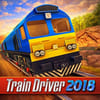
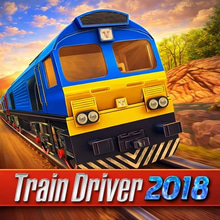
Train Driver 2018 isn’t the kind of train simulator game that traps you in one tiny route and calls it “realistic.” It wants you to feel the scale. Big distances, long straightaways, wide turns that take patience, and that oddly calming sensation of moving through a world that doesn’t care if you’re late. On Kiz10, it plays like a full-on railway sandbox: you pick a locomotive, pick a task, and then you live in the cab for a while. Not as a superhero, not as a racer, but as someone responsible for thousands of tons of metal and momentum.
The fantasy is simple: you’re the engineer. The world is North America shaped into rails. Cities, countryside, deserts, snowy stretches, and scenic routes that make you slow down just to watch the horizon slide past. It’s immersive in that “I didn’t think I’d enjoy this much… why am I still here?” way. 😅
𝗦𝗧𝗘𝗔𝗠, 𝗗𝗜𝗘𝗦𝗘𝗟, 𝗘𝗟𝗘𝗖𝗧𝗥𝗜𝗖: 𝗦𝗔𝗠𝗘 𝗥𝗔𝗜𝗟𝗦, 𝗗𝗜𝗙𝗙𝗘𝗥𝗘𝗡𝗧 𝗦𝗢𝗨𝗟𝗦 🚂⚡
The variety of trains is where Train Driver 2018 really shows off. Steam locomotives feel like muscle and tradition, a heavy heartbeat on wheels. Diesel engines bring that classic “workhorse” vibe, reliable and strong, like they were built to haul everything forever. Electric trains feel modern and smooth, more precise, more controlled, almost like the world is cleaner when you drive them.
And the cool thing is: even if the goal is the same, the feeling changes. You start to notice how your inputs, your timing, your braking decisions, and your approach to stations all shift depending on what you’re driving. A train isn’t a car. You don’t flick it. You guide it. You anticipate. You respect stopping distance or you learn respect the hard way.
𝗣𝗔𝗦𝗦𝗘𝗡𝗚𝗘𝗥𝗦 𝗢𝗥 𝗙𝗥𝗘𝗜𝗚𝗛𝗧: 𝗧𝗪𝗢 𝗝𝗢𝗕𝗦, 𝗧𝗪𝗢 𝗧𝗬𝗣𝗘𝗦 𝗢𝗙 𝗣𝗥𝗘𝗦𝗦𝗨𝗥𝗘 🚉📦
Passenger runs feel like routine and responsibility. Stations matter. Doors matter. Timing matters. You approach platforms like you’re trying to land a plane gently, because smooth stops feel professional and messy stops feel like you’re personally apologizing to everyone onboard.
Freight runs are a different beast. They’re heavier, more stubborn, more “this thing has opinions.” You feel the weight in how long it takes to get moving and how early you must think about slowing down. It’s less about speed and more about control. The satisfaction comes from handling something huge without letting it handle you.
Switching between passenger and freight keeps the simulator from feeling like one-note relaxation. One mode asks for precision at stations. The other asks for patience over distance. Both ask you to keep your head, because a train doesn’t forgive last-second decisions.
𝗢𝗣𝗘𝗡 𝗪𝗢𝗥𝗟𝗗 𝗥𝗔𝗜𝗟𝗦 𝗔𝗡𝗗 𝗧𝗛𝗘 𝗝𝗢𝗬 𝗢𝗙 𝗝𝗨𝗦𝗧 𝗚𝗢𝗜𝗡𝗚 🌎🌤️
The open world map is the secret sauce. It makes the game feel less like a level list and more like a place. You’re not only completing objectives; you’re moving through a landscape. That sounds small, but it changes the mood completely. Long tracks stop feeling like “dead time” and start feeling like the point. You settle into the ride. You check your speed. You watch the rail line curve. You aim for a clean approach to the next station. It’s a loop of calm focus.
And then the weather shifts and the whole scene changes. A bright run can turn moody. A clear route can become something colder, something heavier. The game’s atmosphere makes journeys feel different even when your job is technically the same. You start noticing little details, like how the environment affects visibility and how you drive when the world looks less friendly.
𝗧𝗛𝗘 𝗖𝗔𝗕 𝗙𝗘𝗘𝗟: 𝗖𝗢𝗡𝗧𝗥𝗢𝗟𝗦, 𝗜𝗡𝗧𝗘𝗥𝗜𝗢𝗥𝗦, 𝗔𝗡𝗗 𝗧𝗛𝗔𝗧 “𝗜’𝗠 𝗔𝗖𝗧𝗨𝗔𝗟𝗟𝗬 𝗗𝗢𝗜𝗡𝗚 𝗜𝗧” 𝗠𝗢𝗠𝗘𝗡𝗧 🎛️🧠
Train Driver 2018 leans into the fantasy of being inside the machine. Detailed interiors and functional systems make you feel like you’re operating something real, not pushing a toy along a track. The best moments are the small ones: approaching a station with a perfect braking line, stopping cleanly where you meant to stop, opening doors at the right time, then rolling out again like you planned it.
It’s also the kind of simulator that quietly rewards attention. If you rush, you overshoot. If you brake late, you pay for it. If you stay calm and think ahead, the train starts to feel cooperative. You’ll catch yourself planning far down the track, not just reacting to what’s in front of you. That’s when you know you’ve shifted from “playing” to “driving.” 😄
𝗣𝗘𝗢𝗣𝗟𝗘, 𝗦𝗧𝗔𝗧𝗜𝗢𝗡𝗦, 𝗔𝗡𝗗 𝗧𝗛𝗘 𝗟𝗜𝗧𝗧𝗟𝗘 𝗦𝗧𝗢𝗣-𝗔𝗡𝗗-𝗚𝗢 𝗗𝗥𝗔𝗠𝗔 👥🚦
Stations add structure to the free-roam feeling. They create pauses, transitions, and purpose. Seeing passengers board and exit makes the world feel alive, like you’re part of a larger system rather than a lone vehicle on an empty map. It’s not loud gameplay, but it’s immersive gameplay. It gives your driving a reason beyond “keep moving.”
Those stops also create a nice rhythm: long travel sections where you settle into the route, followed by moments where precision matters and you must land your approach just right. It keeps the experience engaging without turning it into nonstop stress.
𝗪𝗛𝗬 𝗧𝗛𝗜𝗦 𝗧𝗥𝗔𝗜𝗡 𝗦𝗜𝗠 𝗜𝗦 𝗦𝗢 𝗘𝗔𝗦𝗬 𝗧𝗢 𝗟𝗢𝗦𝗘 𝗧𝗜𝗠𝗘 𝗜𝗡 🚆⏳
Train Driver 2018 is relaxing, but it’s not passive. You’re always making tiny decisions: how fast to go, when to start braking, when to line up for a station, when to switch from cruising to careful control. Those decisions stack up, and they create that perfect simulator feeling: you’re focused, but not stressed. You’re engaged, but not overwhelmed.
On Kiz10, it’s a great fit if you love driving simulation games, open world exploration, and that satisfying “professional” rhythm of doing a job smoothly. Whether you’re hauling freight through wide landscapes or running passengers between stations, the game turns patience into skill, and skill into a calm kind of pride. And yes, once you nail a clean stop after a long run, you’ll sit there for a second thinking: okay… that was nice. 😌










 2.5 (163 votes)
 Share
Share
 Embed
Embed