🛡️ 𝗪𝗛𝗘𝗡 𝗘𝗩𝗘𝗥𝗬 𝗪𝗔𝗩𝗘 𝗙𝗘𝗘𝗟𝗦 𝗟𝗜𝗞𝗘 𝗔 𝗧𝗘𝗦𝗧
Ultimate Tower Defense takes a familiar strategy formula and gives it a punchier, more aggressive rhythm. This is not one of those sleepy defense games where you casually place a tower, sip imaginary tea, and wait for victory to arrive by mail. No, this one wants pressure. It wants enemy waves marching in with bad intentions. It wants your towers firing nonstop while your heroes scramble to keep the frontline from collapsing. And it wants you making rapid decisions before the whole map turns into an expensive mistake.
The idea is classic in the best way. You protect your defensive towers, deploy heroes, and hold back constant enemy attacks using smart positioning and timely upgrades. But what makes Ultimate Tower Defense click is the way it mixes several satisfying elements together. It is a tower defense game, yes, but it also leans into battle game energy and faster action pacing. You are not only building a setup. You are reacting to a battlefield that keeps changing shape as more enemies arrive, more pressure builds, and your earlier choices start to matter in very real ways.
It creates that lovely strategy-game tension where every second feels slightly loaded. Should you strengthen your defenses now, save resources for a stronger unit, or trust that your current layout can survive just one more wave? Sometimes the answer is obvious. Sometimes it absolutely is not. And that uncertainty is where the fun lives 😈
🏰 𝗧𝗢𝗪𝗘𝗥𝗦 𝗔𝗥𝗘 𝗡𝗢𝗧 𝗝𝗨𝗦𝗧 𝗪𝗔𝗟𝗟𝗦 𝗪𝗜𝗧𝗛 𝗔𝗧𝗧𝗜𝗧𝗨𝗗𝗘
A good tower defense game lives or dies by how useful and distinct its towers feel. Ultimate Tower Defense understands that immediately. Each tower comes with its own attack abilities, which means your build is not just about dropping random structures wherever there is space. It is about crafting a defense pattern. A strategy. A plan that hopefully survives contact with reality.
That difference matters more than it sounds. When towers have unique roles, placement becomes much more interesting. Suddenly you are thinking about coverage zones, damage timing, enemy routes, and where specific attack types can do the most work. One tower may shine at consistent damage, another might be better for control, and another could become your panic button when the lane starts to look ugly. This is where the game starts pulling you deeper. You stop placing towers just because you can. You start placing them because the map is asking specific questions, and you want the answers to explode.
The fun part is watching a smart setup start to function like a machine. Enemies enter. Your front defenses weaken them. Your heavier attackers clean up the dangerous ones. A hero steps in to cover the leak. The wave breaks apart. It feels fantastic when it works. Like you outsmarted the whole invasion with architecture and controlled violence.
⚔️ 𝗛𝗘𝗥𝗢𝗘𝗦 𝗔𝗗𝗗 𝗧𝗛𝗔𝗧 𝗘𝗫𝗧𝗥𝗔 𝗕𝗔𝗧𝗧𝗟𝗘𝗙𝗜𝗘𝗟𝗗 𝗗𝗥𝗔𝗠𝗔
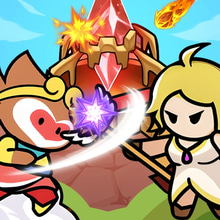
The hero system is one of the reasons Ultimate Tower Defense feels more alive than a basic static defense game. Towers handle the backbone of your strategy, but heroes bring personality and action to the fight. They are the dynamic piece, the part that makes the battlefield feel less like a spreadsheet and more like a real clash.
That is a smart design choice. Pure tower placement can be satisfying, but heroes create moments. They help turn defense into battle. When a wave pushes harder than expected, a well-used hero can stabilize the lane and save a run that looked doomed a second earlier. That kind of intervention gives the game more momentum and keeps you engaged beyond just passive placement.
It also means you have more tactical layers to think about. You are not only asking where your towers belong. You are considering how heroes and towers support each other. Should the hero stay near your main choke point? Should you use that strength to protect a vulnerable route? Can you rely on your tower setup alone for one section while the hero handles another? These little decisions stack up fast, and they give each match a more active, hands-on feeling.
🔥 𝗙𝗔𝗦𝗧𝗘𝗥 𝗣𝗔𝗖𝗜𝗡𝗚 𝗠𝗔𝗞𝗘𝗦 𝗘𝗩𝗘𝗥𝗬 𝗠𝗜𝗦𝗧𝗔𝗞𝗘 𝗙𝗘𝗘𝗟 𝗥𝗘𝗔𝗟
Some strategy games are proud of how slow they are. Ultimate Tower Defense goes in a different direction. It keeps things moving. The waves feel urgent, the pressure builds quickly, and the overall pace gives the game a more energetic personality. That does a lot for replay value because it reduces downtime and keeps your attention locked on the action.
Fast pacing changes how strategy feels. In a slower game, you can often recover from messy decisions with time and patience. Here, mistakes feel sharper. Put the wrong tower in the wrong spot and you may notice the consequences almost immediately. Delay a needed response and the lane can unravel before you finish regretting it. It sounds stressful, and yes, it absolutely can be, but in a good arcade-strategy way. The game pushes you to think clearly under pressure, and that pressure makes your victories feel more earned.
The best moments come when everything looks slightly unstable but somehow still under control. Enemies are pouring in, your defenses are firing, your hero is holding the line, and you are mentally calculating three possible disasters at once. Then the wave collapses, the map clears, and you sit there feeling like a genius for around four seconds until the next wave shows up.
🧠 𝗧𝗛𝗜𝗦 𝗜𝗦 𝗔 𝗚𝗔𝗠𝗘 𝗔𝗕𝗢𝗨𝗧 𝗖𝗛𝗢𝗜𝗖𝗘𝗦, 𝗡𝗢𝗧 𝗝𝗨𝗦𝗧 𝗙𝗜𝗥𝗘𝗣𝗢𝗪𝗘𝗥
What really keeps Ultimate Tower Defense interesting is that raw strength alone is not enough. Strategy matters. Choosing a mode, deciding how to open, reading enemy flow, and balancing your resources all shape the outcome. That makes it more than a simple defense game. It becomes a tactical puzzle with explosions.
Different modes help too, because they give the game variety right from the start. Picking your preferred mode changes the tone of the challenge and gives players a little freedom in how they approach the experience. That flexibility is important. Some players want direct action immediately. Others want a more measured tactical session. The game’s structure supports both moods without losing its core identity.
And the core identity is strong: defend intelligently, adapt quickly, survive longer. That loop is timeless for a reason. It gives you constant goals and constant feedback. Good decisions feel powerful. Bad ones get punished. Improvement becomes visible. You begin to recognize better placements, stronger combinations, and smarter response timing. The game teaches without lecturing.
🎮 𝗪𝗛𝗬 𝗨𝗟𝗧𝗜𝗠𝗔𝗧𝗘 𝗧𝗢𝗪𝗘𝗥 𝗗𝗘𝗙𝗘𝗡𝗦𝗘 𝗪𝗢𝗥𝗞𝗦 𝗦𝗢 𝗪𝗘𝗟𝗟 𝗢𝗡 𝗞𝗜𝗭𝟭𝟬
Ultimate Tower Defense is a very good fit for Kiz10 because it delivers instant strategic clarity with enough depth to stay rewarding. You click or tap, place defenses, deploy heroes, and quickly understand the stakes. Then the game starts adding weight to every decision, and suddenly what looked simple becomes satisfyingly demanding.
It is easy to get into, but not mindless. It gives you the pleasure of building a defense line, the thrill of wave survival, and the tactical satisfaction of adjusting your plan when things get chaotic. If you enjoy defense games, hero-based strategy, wave survival, or browser games that combine planning with action, this is the kind of title that can quietly steal a huge chunk of your time.
That is really the trick of it. Ultimate Tower Defense looks straightforward from the outside. Then one match turns into several because you want to refine your setup, test a stronger combination, and prove that your last defeat was just a temporary insult. Before long, you are protecting your towers like they are a matter of personal honor. And honestly? That is exactly where a good tower defense game wants you 🏹







 2 (156 votes)
 Share
Share
 Embed
Embed