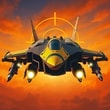
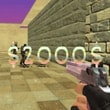
💣🪖 The battlefield has platforms now, which somehow makes everything worse
War Platform sounds simple, and that is usually how trouble begins. A war game? Fine. A platform game? Fine. Put those two together and suddenly the ground itself becomes part of the fight. That is the appeal here. Instead of standing safely behind cover or blasting away from one fixed position, you are moving through a war zone where every ledge, gap, jump, and badly timed landing can get you into serious trouble. On Kiz10, that kind of hybrid works really well because it takes the urgency of a shooter and mixes it with the constant movement pressure of a platform adventure. The result is not calm. Not even a little. It is the kind of game where your reflexes, your timing, and your ability to stay alive in bad conditions all get dragged into the same argument. Games in Kiz10’s army and war categories lean heavily into combat, survival, and battlefield movement, which is exactly the space War Platform belongs to.
What makes a game like this immediately interesting is the rhythm. War games usually ask you to think about threats. Platform games ask you to think about space. When both ideas collide, every section becomes doubly dangerous. It is not enough to spot the enemy. You also need to worry about where your feet are going, whether the jump is safe, whether the landing leaves you exposed, and whether rushing forward will turn your soldier into a cautionary tale in two seconds flat. That is where the fun begins. Messy, explosive fun, sure, but still fun.
And honestly, that combination gives the whole thing more personality than a generic shooter. Anyone can fire a weapon in a straight line. It gets a lot more entertaining when bullets and gravity start cooperating against you.
🔫⚡ Running and shooting is never as easy as it looks
The core pleasure of War Platform comes from forward pressure. You move, you react, you keep the mission alive while enemies, hazards, and awkward jumps all try to ruin your day. That is what gives the game its energy. A normal platformer might focus on spikes and pits. A normal war game might focus on enemy units and firepower. Here, the stage itself becomes part of the firefight. That creates much sharper tension, because danger comes from both the battlefield and the route through it.
This kind of design is addictive for a very simple reason: every clean section feels earned. You clear a hostile stretch, hit the jump correctly, avoid incoming fire, and suddenly the whole run starts to feel heroic. Then one bad landing happens and the level reminds you that bravery and stupidity are often standing very close together. Beautiful system, really. Very rude, but beautiful.
It also gives the action a more physical feel. You are not just aiming. You are navigating. That makes movement matter more than people expect. A jump that arrives a fraction too early can be worse than a missed shot. A landing in the wrong place can ruin the next few seconds before you even realize why. So the game keeps asking for control, not just aggression. That is a good sign in any platform shooter.
🚧🔥 Every platform is either a route or a trap
One of the best things about war platform games is that the level layout changes how combat feels. A flat battlefield gives you one kind of pressure. Platforms create layers. Height matters. Timing matters. A ledge can protect you or betray you depending on how you approach it. That uncertainty keeps the gameplay lively. You stop seeing the stage as background and start seeing it as part of the fight.
That is where War Platform likely finds most of its bite. The best moments in this style happen when you have to make fast choices in imperfect conditions. Push forward now, or wait half a second. Jump up and attack from above, or stay low and avoid exposure. Go for the cleaner route, or take the risky shortcut because the enemies behind you are becoming a real problem. Those choices keep a simple setup from feeling repetitive.
And because the gameplay mixes combat with traversal, the challenge can stay readable without becoming shallow. You understand the mission immediately. Survive the area, beat the threat, keep moving. But inside that simple objective, there is room for all kinds of micro-disasters. One missed jump. One late reaction. One enemy placed exactly where your confidence wanted to stand. That is the stuff that makes a browser action game memorable.
🎮🧠 Calm aim helps, but smarter movement helps more
It is easy to assume a game like War Platform is all about speed and gunfire. That will get you through the first few bad decisions, maybe. After that, the smarter lesson starts showing up. Movement is king. The best runs do not come from panicking harder than the level. They come from reading the stage well, choosing the safer angle, and letting your route support your fighting instead of sabotaging it.
That gives the game a nice skill curve. At first, everything feels chaotic. Enemies, gaps, pressure, explosions, all of it competing for your attention. Then slowly the structure becomes clearer. You begin spotting safe landings sooner. You learn where the danger actually is. You stop charging into every problem like an action hero with no survival instinct. Suddenly the game feels less random and more tactical. That shift is satisfying. It means improvement feels real.
Kiz10’s broader war catalog shows that players on the site already respond well to combat games built around tactical pressure, battlefield control, and survival under fire, from pure shooters to more strategic war setups. War Platform fits that same appetite, just with more jumping and more platform tension layered into the combat loop.
🪂💥 Why War Platform fits Kiz10 so well
War Platform belongs naturally on Kiz10 because it sits between two strong browser-game instincts: platform challenge and military action. That is a very useful combination. Players get the immediacy of an action game with the precision and retry loop of a platformer. The closest live matches on Kiz10 by feel are titles like War Gun Commando for soldier-on-the-ground combat, Chaos Faction 2 for weapon-heavy platform fighting, Stickman WW2 for war pressure, Space Soldiers for combat on hazardous platforms, and Red Warrior for stage-based jump precision. Those games show that Kiz10 already supports both sides of War Platform’s identity.
If you enjoy online war games, platform shooters, soldier action games, and fast missions where movement matters as much as firepower, this style is easy to appreciate. It gives you action without becoming static, and challenge without drowning in complexity. More importantly, it creates that excellent “one more try” feeling. You know the mistake. You know the better route. You know the next run could look much cleaner. Dangerous knowledge. Very browser-game knowledge.
So War Platform ends up feeling exactly like its name suggests: a battlefield stretched across ledges, jumps, and dangerous footings, where survival depends on staying sharp while the whole level tries to throw you off balance. Simple idea. Strong tension. Plenty of ways to fail gloriously. Which, in this genre, is usually a very good sign.



 4.2 (15 votes)
 Share
Share
 Embed
Embed