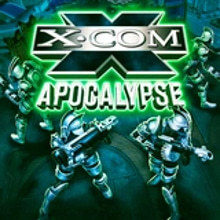
The sirens don’t wail here they breathe, a low mechanical inhale that makes the whole city feel like it is bracing. Neon leaks across wet pavement, high rise facades blink with advertising that refuses to surrender, and somewhere above the clouds a tear keeps opening into places we were not invited. You arrive as the new commander with a desk covered in incomplete maps, a budget with too many commas in the wrong places, and a mandate that sounds simple and cruel protect the population, learn the enemy, destroy the threat. In practice it becomes a hundred small choices that feel like pulling threads from a tangled knot while the knot hums back.
🌆 Steel canyons and fragile peace
The city is a living board. Air lanes braid between towers, police skimmers glide by with the patience of saints, and corporate factions grin at you with perfect teeth while counting their losses on private sheets. One moment you track trade routes, the next you watch a convoy blink off your radar and return with something wrong inside. Every district has a mood, and moods change when you win or fumble. Save a hospital during a midnight raid and that whole quarter sends recruits with eyes like flint. Let a mall fall to panic and elections you don’t vote in start making your job more expensive. It is both logistics and storytelling, and the story is written with invoices and scorch marks.
🛰️ Strategy that actually respects thinking
Turn the globe no, the skyline and you will feel time become your sharpest tool. You pause to allocate patrols, spin the clock to bait an infiltration, pause again to scramble interceptors. The rhythm settles into deliberate beats plan, watch, adjust. When the first alert pops, it’s not a jump scare; it’s a call to prove that your planning had teeth. You pick a team for the ground op and every slot tells a philosophy risk a rookie with nerves of piano wire or bring a veteran who has seen too much and still moves like a poem. The layer above the battles is dense but never dishonest. Money is tight, fuel is real, allies hold grudges, and every scrap of alien tech you capture whispers a recipe for something your engineers can almost build if you keep them funded and caffeinated.
🧪 Research that rewrites your playbook
The lab looks like a cathedral where the stained glass is made of equations. Scientists mutter, machines purr, and each completed report rewires your assumptions. Stun a specimen and your understanding of armor changes. Recover a rogue device and your interceptors get a new tooth to bite with. Best of all, research is not a flat ladder it’s a garden. If you explore one branch aggressively, you play a very different game than if you split attention. Lean into biochem and your squads carry clever toxins; lean into engineering and your vehicles evolve into rolling arguments with gravity. That feeling when a prototype finally clicks is pure sugar, the kind that makes you start a mission early just to try it in the wild.
🔧 Bases that feel like real places
You don’t live on a menu. You live in rooms. Barracks with old posters, med bays that smell like disinfectant and stubborn hope, hangars full of parts that only fit together if your quartermaster swears at them in three languages. Layout matters. Corridors funnel intruders or trap your own security teams. Stores sit close to the loading bay if you want fast resupply. Labs and workshops hum side by side when you chase iterative prototypes at speed. Expanding to a second site isn’t a flex; it’s a necessity that stretches your attention in the way command should.
🚨 Ground ops where every tile has a temperature
When boots hit concrete, the game narrows into exquisite pressure. You peek a corner and the rain hisses against a neon sign. You feel the weight of a breach charge in your pocket and the clock living under your ribs. Combat sings because movement sings. Crouch to reduce profile, sidestep to clean an angle, commit to a door with a silent count that your team somehow knows without words. The first time a wall gives under well placed explosives and your squad flows through the negative space like water, you will grin. The first time an alien slips through smoke you called safe, you will learn humility and grenade discipline at the same time.
🧠 Two tempos one brain
What makes these skirmishes pop is the way time bends to intention. You can elect crisp turn based control and savor every meter. Or you can let the firefight breathe in real time and ride the chaos with smart pauses and orders that feel like instincts written down. Both modes reward clarity rather than twitch. The best players don’t move fastest; they see the room truest, notice sightlines, hear the difference between cover that is theater and cover that is mercy. It’s chess with broken windows and it works because the inputs respect your brain.
🕳️ Enemies that escalate like rumors
The first aliens you meet are almost polite about it. They test. They prod. Then they change the rules. Shapeshifters walk your streets wearing faces that used to wave at you from campaign posters. Floaters use verticality like insult, hovering just outside comfortable arcs. Chitin tanks shrug off calibers that used to end arguments and insist you earn heavier answers. The true terrors appear late, complex biology wrapped around ugly intent, and beating them is never a trick. It is observation plus precise violence plus a plan that survived first contact.
🛩️ Air wars that scribble across the skyline
Between missions the city goes kinetic. You scramble craft, angle intercepts through skyscraper canyons, and hear your pilots perform math at jet speed. Dogfights aren’t just circles they are altitude chess, missile economy, and split second judgments about collateral when debris showers toward streets that still trust you. A single well planned ambush can flip a week of morale; a sloppy pursuit can buy your enemies a corridor they will use mercilessly tomorrow. Watching contrails carve calligraphy across dawn while you lean over the tactical map is the kind of moment that makes this layer sing.
💼 Politics you cannot simply shoot
Corporations fund your fuel and then ask why their shipment vanished in a panic zone you didn’t prioritize. City security appreciates your work until a stray rocket writes your acronym on the side of their station. Alien sympathizers hold rallies with slogans that make your rookies clench their fists, and you need to remember that hearts aren’t won by armor. Negotiations become part of your toolkit. Offer protection contracts, trade tech licenses, apologize with deeds, not words. The war is fought with bullets and favors in equal measure.
🎧 Sound and sensation that build mood not noise
Headphones turn the city into an orchestra. Pulses from radar stacks beat behind the strings, elevator brakes sigh, distant traffic sings a monotone that changes when panic spikes. On the ground, footsteps tell material marble echo, carpet hush, metal clang. Shouts carry different urgency based on line of sight. The alien soundscape is colder a wet flutter here, a modulation there and catching those cues a second early is often the difference between a clean breach and a story your medics will tell with teeth.
🌟 Why this command seat keeps calling
Because it lets you be clever in public. Because every success smells like solder and rain and every failure teaches a lesson you can name. Because squads become people you know by the way they reload when nervous. Because the city is a partner, not a backdrop, and your relationship with it changes as you earn trust. Most of all because the game respects patience and rewards audacity, asking you to care about civilians on level three and logistics on level four and the shape of a shadow at the end of a hallway when your last soldier is counting breaths. Open the map. Breathe with the sirens. Make decisions that you will defend in the morning. On Kiz10 the door from planning to action is one click wide and that makes it dangerously easy to say one more mission and mean three.





 4 (151 votes)
 Share
Share
 Embed
Embed


