𝗦𝗠𝗔𝗟𝗟 𝗦𝗨𝗣𝗣𝗟𝗬, 𝗕𝗜𝗚 𝗣𝗥𝗢𝗕𝗟𝗘𝗠 🧱😬
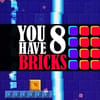
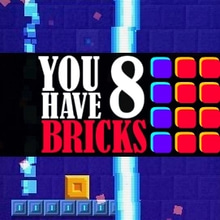
You Have 8 Bricks starts with the kind of sentence that feels harmless until you actually play it. Eight bricks. That’s it. Not eighty. Not “unlimited blocks, be creative.” Just eight little pieces and a world that absolutely believes in gravity. On Kiz10.com, it lands like a compact physics puzzle that turns minimal resources into maximum pressure. Because the moment you place the first brick, you’re not just building, you’re committing. Every brick becomes a decision you can’t un-decide without consequences, and the game has that classic “simple to understand, mean to master” energy that makes your brain lean forward without asking permission.
At first you’ll think, okay, eight is plenty. Then you’ll place two bricks slightly off-center, the stack will wobble like it’s offended, and suddenly eight feels like nothing. The puzzle isn’t only the target; the puzzle is the balance, the spacing, the way one sloppy angle turns a stable tower into a slow-motion disaster. It’s weirdly thrilling, because the rules are clean and the chaos comes from you.
𝗧𝗛𝗘 𝗙𝗜𝗥𝗦𝗧 𝗕𝗥𝗜𝗖𝗞 𝗜𝗦 𝗔 𝗟𝗜𝗘 🧠🧱
The first brick always feels easy. You drop it, it sits there, and your confidence spikes for no reason. But that confidence is exactly what the game is waiting for. Because the moment you start stacking, tiny imperfections become real. A brick that’s a millimeter too far to the left becomes a lean. That lean becomes a wobble. That wobble becomes a collapse that looks dramatic enough to deserve a slow clap.
This is the kind of building puzzle where you learn to respect fundamentals. Flat bases matter. Symmetry matters. Center of mass matters. You don’t need to know physics formulas to feel it; the game teaches you with consequences. You start thinking less like “I’ll just stack up” and more like “I need a foundation that won’t betray me when I place brick number seven.” And yes, brick number seven is always when the tension hits, because you can feel your options shrinking.
𝗚𝗥𝗔𝗩𝗜𝗧𝗬 𝗜𝗦 𝗧𝗛𝗘 𝗥𝗘𝗔𝗟 𝗕𝗢𝗦𝗦 🌍😈
A lot of puzzle games are about logic. This one is about logic plus physics plus your hands doing what your brain asked them to do. That third part is important. Because you’ll have a brilliant plan in your head, a clean structure in your imagination, and then you’ll place a brick slightly wrong and the whole design will respond like, cute idea, but no.
What makes You Have 8 Bricks addictive is that the game doesn’t feel random. When things fall, it’s usually understandable. You can replay the moment in your mind. You can point to the mistake. That’s a powerful loop for a physics puzzle: it makes you want to fix it, not blame it. And every restart feels like a fresh chance to prove you can be a little more precise than last time.
𝗧𝗢𝗪𝗘𝗥 𝗕𝗨𝗜𝗟𝗗𝗜𝗡𝗚 𝗠𝗢𝗢𝗗, 𝗧𝗜𝗡𝗬 𝗔𝗥𝗖𝗔𝗗𝗘 𝗛𝗘𝗔𝗥𝗧 🏗️⚡
Even though it’s a brain game, it has an arcade pulse. The tension doesn’t come from enemies; it comes from time spent watching a wobble get worse. There’s a special feeling when your structure is standing but clearly unstable, and you still have two bricks left. You’re staring at it like it’s a wild animal. If I place this carefully, it might stabilize. If I place it wrong, it’s over. And then you place it… and you immediately know whether you were smart or delusional 😅.
That emotional swing is part of the fun. Calm planning turns into sudden panic when you see movement. The best players learn to stay calm even when the tower looks like it’s about to sneeze. You start placing bricks with patience, adjusting slowly, letting the structure settle, and realizing that rushing is basically self-sabotage.
𝗘𝗜𝗚𝗛𝗧 𝗕𝗥𝗜𝗖𝗞𝗦 𝗠𝗘𝗔𝗡 𝗡𝗢 𝗪𝗔𝗦𝗧𝗘 🧩🧱
The limit is what makes the puzzle feel sharp. With unlimited blocks, you can brute force, patch mistakes, build supports everywhere. With eight, every support costs you a future move. That creates a neat kind of strategy: do you build wide for stability, or build tall for reach? Do you use a brick as a brace now, or save it for the final climb? It’s like budgeting, but the currency is stability.
And this is where the game starts feeling surprisingly personal. Two people can solve the same challenge in totally different ways. One player builds a chunky base and climbs slowly. Another player builds a risky, elegant stack that looks like it shouldn’t work… until it does. When you finally get a solution that stands, it feels like your own little engineering signature.
𝗢𝗛 𝗡𝗢… 𝗜𝗧’𝗦 𝗦𝗧𝗜𝗟𝗟 𝗠𝗢𝗩𝗜𝗡𝗚 😬🌀
One of the funniest, most human moments in You Have 8 Bricks is when you think you’ve nailed it, then the structure continues to settle. That slow settling is terrifying in the cutest way. You’re watching tiny shifts like they’re earthquakes. You can’t do anything except hope the balance holds. Sometimes it holds and you feel like a genius. Sometimes it collapses two seconds later and you stare at the screen like it just betrayed a promise.
But that’s the beauty of physics stacking games. The suspense is real because the outcome isn’t instant. It’s a little drama you created with your own hands. And because it happens fast, it never feels exhausting. It feels like a quick challenge you can repeat until the solution becomes clean, stable, and almost boring… and then you immediately want a harder one.
𝗤𝗨𝗜𝗖𝗞 𝗧𝗜𝗣𝗦 𝗧𝗛𝗔𝗧 𝗠𝗔𝗞𝗘 𝗬𝗢𝗨 𝗕𝗘𝗧𝗧𝗘𝗥 🛠️👀
The biggest upgrade isn’t a power-up, it’s your approach. Start by building a base that forgives tiny mistakes. A wider foundation often beats a tall, skinny gamble, especially early. Let bricks settle before stacking the next one, because placing too fast makes wobble stack on wobble. Aim for centered placements; if your structure leans, you need to compensate before it becomes dramatic.
Also, stop chasing “perfect height” too early. Many failures happen because you try to go tall fast, then you have no bricks left to stabilize the upper section. Think in phases: first stability, then height, then a final careful adjustment. It sounds simple, but it turns chaos into control.
And if you’re replaying a level, don’t repeat the same build out of stubbornness. Change one decision. One brick placement. One angle. Physics puzzles reward small experiments. You’re not rewriting everything, you’re tuning it. That’s why improvement feels so satisfying on Kiz10.com: you can see exactly what changed and why it worked.
𝗪𝗛𝗬 𝗜𝗧’𝗦 𝗦𝗢 𝗘𝗔𝗦𝗬 𝗧𝗢 𝗟𝗢𝗦𝗘 𝗧𝗥𝗔𝗖𝗞 𝗢𝗙 𝗧𝗜𝗠𝗘 ⏱️😄
You Have 8 Bricks is short-session friendly, but it has that dangerous loop where each attempt teaches you something. You fail, you learn, you try again, and the next attempt is slightly cleaner. Then you get a near-win and suddenly you’re emotionally invested. Then you get a win and immediately want to do it faster, cleaner, more stylish. That’s the cycle. It’s a tower building puzzle that keeps pulling you back because success feels earned, not handed out.
If you enjoy physics puzzle games, block stacking challenges, balance games, and quick brain teasers where every move matters, this one is a perfect match. Eight bricks, one goal, and gravity waiting like an impatient judge. Build smart. Place carefully. And if it falls… well, at least it falls in a way that makes you want to try again.



 4.5 (5 votes)
 Share
Share
 Embed
Embed