𝗭𝗢𝗠𝗕𝗜𝗘𝗦 💥, 𝗚𝗨𝗡𝗦, 𝗔𝗡𝗗 𝗡𝗢 𝗥𝗘𝗔𝗦𝗢𝗡 𝗧𝗢 𝗦𝗧𝗢𝗣 𝗠𝗢𝗩𝗜𝗡𝗚
Zombario throws you into the kind of apocalypse where standing still feels like a confession. The world is overrun, the corporation behind the disaster clearly had terrible ideas and too much confidence, and now the only useful response is to grab a weapon and start making the undead regret existing. That alone would already be enough for a fun browser shooter, but Zombario pushes harder than that. It mixes run-and-gun action, mobility, upgrades, random powers, and a constant sense of escalation into a game that feels fast, loud, and wonderfully hard to put down.
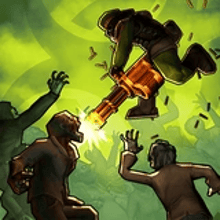
On Kiz10, the first thing that stands out is the energy. This is not a slow survival crawl where you spend half the time rummaging through drawers and the other half regretting your ammo count. Zombario wants action right away. You move, shoot, jump, slide, bounce through danger, and clear locations packed with zombies before they get the chance to turn your plan into a snack break. The result is a zombie action game with a real arcade heartbeat. Quick reactions matter. Good positioning matters. But the game also gives you enough upgrades and ability combinations to let every run evolve into its own weird little disaster movie.
𝗥𝗨𝗡 🤸 𝗝𝗨𝗠𝗣, 𝗦𝗟𝗜𝗗𝗘, 𝗦𝗨𝗥𝗩𝗜𝗩𝗘
A huge part of what makes Zombario feel different is the movement. Shooting zombies is great, obviously, but shooting zombies while sliding, jumping on walls, and flying through danger with a little more style than the apocalypse probably deserves is even better. That parkour layer gives the combat more personality. You are not just planting your feet and emptying magazines into a crowd. You are moving through the map like staying alive depends on momentum. Because it does.
This is where the game starts feeling more alive than a basic zombie shooter. The environment becomes part of your survival. A clean jump can save you from a swarm. A wall move can open a new firing angle. Sliding through trouble feels reckless in the best way, especially when the alternative is being cornered by something ugly and enthusiastic. The whole battlefield becomes a space to read, not just a background to decorate the shooting.
And honestly, that extra movement skill makes the player feel much cooler than the average survivor. Panic is still there, of course. Lots of it. But it is stylish panic.
𝗥𝗔𝗡𝗗𝗢𝗠 ⚡ 𝗔𝗕𝗜𝗟𝗜𝗧𝗜𝗘𝗦 𝗧𝗨𝗥𝗡 𝗘𝗩𝗘𝗥𝗬 𝗥𝗨𝗡 𝗜𝗡𝗧𝗢 𝗔 𝗡𝗘𝗪 𝗪𝗘𝗜𝗥𝗗 𝗣𝗢𝗪𝗘𝗥 𝗧𝗥𝗜𝗣
One of the most addictive parts of Zombario is the random ability system. This is where the game really starts sinking its claws in. You are not only getting stronger through standard upgrades. You are building combinations. Weird, useful, destructive combinations that can completely change the feeling of a run. One attempt might lean harder into fire and crowd control. Another might become all about explosions, mobility, or raw damage. That unpredictability keeps the game fresh in exactly the way a strong action roguelite should.
This matters because zombie games can become repetitive if every run feels identical. Zombario avoids that by letting the player build power in changing ways. You start watching for synergies. You start thinking ahead. You start taking abilities not just because they sound good on their own, but because they might turn the rest of your build into something ridiculous. That kind of decision-making adds real depth to the chaos.
And when a run comes together properly, the game becomes extremely satisfying. Suddenly you are not only surviving. You are deleting hordes, setting monsters on fire, launching bodies through the air, and generally behaving like the undead made a huge mistake by showing up.
𝗧𝗛𝗥𝗘𝗘 🔫 𝗪𝗘𝗔𝗣𝗢𝗡 𝗦𝗧𝗬𝗟𝗘𝗦 𝗠𝗘𝗔𝗡 𝗧𝗛𝗥𝗘𝗘 𝗪𝗔𝗬𝗦 𝗧𝗢 𝗦𝗢𝗟𝗩𝗘 𝗔 𝗭𝗢𝗠𝗕𝗜𝗘 𝗣𝗥𝗢𝗕𝗟𝗘𝗠
Zombario also benefits from having multiple weapon styles instead of just one generic shoot-everything approach. Different guns create different moods. Some runs will feel faster and more aggressive. Others will reward spacing, heavier hits, or a more controlled approach to crowd pressure. That variety helps keep the combat flexible. It also gives the upgrades and abilities more room to matter, because the way they interact with your chosen weapon can shift the whole tone of the run.
This is where the game starts rewarding preference, not just skill. Some players will want the cleanest crowd control possible. Others will prefer damage that feels punchy and dramatic. The best action games make room for both, and Zombario seems built around that kind of variety. A weapon is not only a tool. It is a style of panic management.
𝗣𝗛𝗬𝗦𝗜𝗖𝗦 ☠️ 𝗠𝗔𝗞𝗘 𝗧𝗛𝗘 𝗨𝗡𝗗𝗘𝗔𝗗 𝗟𝗢𝗢𝗞 𝗣𝗥𝗢𝗣𝗘𝗥𝗟𝗬 𝗨𝗡𝗛𝗔𝗣𝗣𝗬
A zombie shooter gets much more satisfying when the enemies react well, and Zombario clearly leans into that. Bodies fall, fly, and get thrown around with enough weight to make the combat feel crunchy instead of decorative. That matters more than people think. If the enemies do not react, the weapons feel weaker. If the zombies go flying after a good blast or trap interaction, every kill feels better.
This is especially true in a game with traps and interactive environments. Jumping platforms, environmental hazards, and zombie traps add that extra arcade chaos where the map itself can become part of the fight. You are not only shooting. You are setting things up. Baiting movement. Using the space against the horde. That makes each level feel more active and less like a flat hallway of targets.
𝗗𝗘𝗔𝗧𝗛 ☣️ 𝗜𝗦 𝗔𝗡𝗡𝗢𝗬𝗜𝗡𝗚, 𝗕𝗨𝗧 𝗡𝗢𝗧 𝗧𝗛𝗘 𝗘𝗡𝗗
One of the smartest ideas in Zombario is that dying does not mean starting from nothing emotionally. Each death still feeds growth. The game tells you right away that even death is not an obstacle, and that is a huge reason the loop works so well. A hard action game becomes much easier to love when failure still pushes you forward. You do not leave empty-handed. You come back sharper, stronger, and a little more dangerous than before.
That structure keeps frustration low and curiosity high. You want another run because you know it might go differently, and you also know your character is still building toward something bigger. Better equipment, stronger talents, improved weapons, all of it stacks into that lovely progression fantasy where repeated failure slowly mutates into dominance.
𝗔𝗟𝗟𝗜𝗘𝗗 🤖 𝗗𝗥𝗢𝗡𝗘𝗦 𝗔𝗗𝗗 𝗝𝗨𝗦𝗧 𝗘𝗡𝗢𝗨𝗚𝗛 𝗙𝗨𝗧𝗨𝗥𝗘 𝗠𝗔𝗗𝗡𝗘𝗦𝗦
The drone companions are another nice touch because they help the world feel more active and your hero feel less alone in the middle of the apocalypse. In a game already full of upgrades, weapons, and movement options, allied drones add one more layer of combat flavor. They help support the adventure without stealing the spotlight, which is exactly the right balance for a companion system.
They also fit the overall tone. Zombario is not grounded survival horror. It is bigger, faster, more explosive, and more playful. Drones, implants, and enhancement systems all reinforce that feeling. You are not just a desperate survivor with a gun. You are gradually becoming a monster-hunting machine with parkour skills and increasingly rude ways to solve undead problems.
𝗛𝗨𝗡𝗗𝗥𝗘𝗗𝗦 🌍 𝗢𝗙 𝗟𝗘𝗩𝗘𝗟𝗦 𝗞𝗘𝗘𝗣 𝗧𝗛𝗘 𝗖𝗛𝗔𝗢𝗦 𝗠𝗢𝗩𝗜𝗡𝗚
Another reason Zombario has strong long-term appeal is the sheer amount of content implied by its many levels, enemies, items, and arenas. That matters because a game built on action and upgrades needs space to let those systems breathe. More levels mean more chances for builds to evolve, more situations for movement to matter, and more ways for the combat loop to surprise you. Bosses help too, because they break up the normal wave-clearing rhythm and force a more focused test of what your current build can really do.
That broader structure is great for a browser game. It gives you easy entry for quick sessions, but enough depth and progression to support longer play without the loop feeling exhausted too quickly.
𝗪𝗛𝗬 🔥 𝗭𝗢𝗠𝗕𝗔𝗥𝗜𝗢 𝗙𝗜𝗧𝗦 𝗞𝗜𝗭10
Zombario fits Kiz10 extremely well because it combines the site’s strongest action-game ingredients into one package: zombie shooting, visible progression, roguelite-style upgrades, platform movement, and a fast arcade feel that makes browser sessions instantly fun. Kiz10 already has a strong zombie-action lane with pages like Zombotron 2: Time Machine, Zombie Strike Two, Zombie Shooter for Survival 3D, Zombie Assault, and 13 Days in Hell, so Zombario lands naturally inside a part of the catalog that players already respond to.
If you enjoy zombie games, run-and-gun combat, platform shooting, build variety, and browser action that rewards both reflexes and smart upgrades, this one has a lot going for it. It is fast, stylish, and full of that lovely “one more run” energy that strong arcade roguelites live on.





 2.5 (156 votes)
 Share
Share
 Embed
Embed