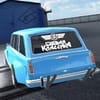
𝐌𝐎𝐓𝐎𝐑 𝐈𝐂𝐄 𝐀𝐍𝐃 𝐑𝐔𝐒𝐒𝐈𝐀𝐍 𝐒𝐓𝐄𝐄𝐋 🧊🛠️
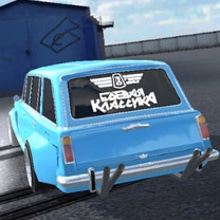
Lada Russian Car Drift doesn’t feel like a polite racing game. It feels like you borrowed an old-school legend, stepped outside into cold air that bites your lungs, and decided the only correct way to drive is sideways. On Kiz10, it’s that instant hit of “okay, one run” that turns into “why am I still here, my hands are sweaty, and I’m arguing with a virtual steering wheel.” 😅🧤
The vibe is simple: you’re here to drift. Not to cruise. Not to roleplay a cautious driver. You’re here for tire smoke, sharp angles, and that tiny moment mid-corner where you’re either a genius… or an expensive spinning top. The car has weight. The road has opinions. And every corner is basically a question: do you control the slide, or does the slide control you? 🚗🌀
𝐓𝐇𝐄 𝐋𝐀𝐃𝐀 𝐏𝐄𝐑𝐒𝐎𝐍𝐀𝐋𝐈𝐓𝐘, 𝐋𝐎𝐔𝐃 𝐀𝐍𝐃 𝐒𝐓𝐔𝐁𝐁𝐎𝐑𝐍 😈🔧
There’s something special about drifting a “regular” car, the kind of machine that looks like it’s seen winters, potholes, and questionable decisions. That’s the charm here. A Lada isn’t a futuristic hypercar that corrects your mistakes with magic grip. It’s a car that makes you earn every clean exit. The steering asks for respect. The throttle asks for discipline. The rear end? The rear end is a prankster. 😭💨
You’ll feel it right away. Tap the gas and the back wants to step out. Turn in too sharply and the car threatens to over-rotate like it’s trying to face the wrong direction on purpose. But when you get it right, when you hold that perfect arc and the car stays in a controlled slide instead of a panic spin, it feels ridiculously satisfying. Like you didn’t just drift a corner, you negotiated peace between rubber and asphalt. 🤝🛣️
𝐓𝐇𝐑𝐎𝐓𝐓𝐋𝐄 𝐌𝐀𝐍𝐀𝐆𝐄𝐌𝐄𝐍𝐓 𝐈𝐒 𝐓𝐇𝐄 𝐑𝐄𝐀𝐋 𝐁𝐎𝐒𝐒 🥊⛽
If you play this like a button-masher, it will humble you fast. Lada Russian Car Drift is the kind of drift simulator where throttle control is the secret sauce. Too much gas and you’re spinning, staring at the world in a full 360 like you’re trying to admire the scenery. Too little gas and the drift dies, the car grips up, and you exit the corner like a disappointed supermarket cart. 🛒😐
So you start doing that little dance. A gentle squeeze of throttle to break traction, a tiny correction to hold the angle, then easing off just enough to stop the car from snapping into chaos. It’s not about being aggressive every second. It’s about being smart for half a second, over and over, until the whole run feels smooth. And once it clicks, you’ll catch yourself smiling like an idiot because you just linked two corners cleanly and your brain is screaming LET’S GOOO. 😄🔥
𝐀𝐍𝐆𝐋𝐄 𝐂𝐎𝐍𝐓𝐑𝐎𝐋, 𝐎𝐑 𝐇𝐎𝐖 𝐓𝐎 𝐍𝐎𝐓 𝐃𝐑𝐈𝐅𝐓 𝐋𝐈𝐊𝐄 𝐀 𝐏𝐀𝐍𝐈𝐂𝐊𝐄𝐃 𝐂𝐑𝐀𝐁 🦀😵💫
There’s drifting, and then there’s flailing. The game pushes you toward real control, not just sliding wildly and hoping the points system feels generous. Angle matters. A shallow drift might be safe but boring, like you’re whispering the slide instead of saying it with your whole chest. A massive angle looks awesome… until it kills your speed and you exit like you’re dragging an anchor. ⚓😬
So you chase balance. You want enough angle to feel dramatic, enough speed to feel dangerous, and enough control to not crash your run on the exit. And the funniest part is how quickly you start developing habits. You’ll have your “comfort angle” where you feel safe. Then you’ll push past it because you want style. Then you’ll crash or spin and go, “Okay okay okay, calm down.” Then you’ll push again. Because that’s drifting. A loop of confidence and consequences. 😈➡️🥲
𝐓𝐇𝐄 𝐑𝐔𝐍 𝐋𝐎𝐎𝐏 𝐓𝐇𝐀𝐓 𝐆𝐄𝐓𝐒 𝐈𝐍 𝐘𝐎𝐔𝐑 𝐇𝐄𝐀𝐃 🎧🏁
On Kiz10, this game fits perfectly into that “quick session” promise, except it lies to you a little. You tell yourself one run. Then you mess up a corner and instantly restart because you know you can do better. Then you nail the first half and mess up the second half and restart because now you’re emotionally invested. Then you get a clean run and immediately chase an even cleaner one, because the perfect drift is always one attempt away, like a mirage made of tire smoke. 💨👀
That’s the addiction: improvement feels visible. You can feel yourself getting better, not in a vague “I guess I improved” way, but in a very specific “I held that drift longer, corrected earlier, and didn’t panic” way. It’s the same reason people rewatch a corner in their head after a real drive. You remember the mistake. You want to fix it. And the game is right there saying, go ahead, prove it. 😤🔁
𝐓𝐔𝐍𝐈𝐍𝐆 𝐕𝐈𝐁𝐄𝐒 𝐀𝐍𝐃 𝐓𝐇𝐄 𝐅𝐀𝐍𝐓𝐀𝐒𝐘 𝐎𝐅 𝐌𝐀𝐊𝐈𝐍𝐆 𝐓𝐇𝐄 𝐂𝐀𝐑 “𝐘𝐎𝐔𝐑𝐒” 🎨🛞
A drift game becomes way more personal the moment you start treating the car like it’s yours. Even small tweaks in feel or style can change the mood. You stop driving “a car” and start driving your car. The one that likes a certain corner entry. The one that forgives you when you slightly overdo it. The one that betrays you when you get cocky. 😅😈
And that personalization vibe is key to drift culture, even in a browser game. The whole fantasy is building a relationship with the machine. Learning its weirdness. Figuring out what it wants. Some cars want smooth inputs. Some want decisive flicks. A classic Lada vibe, in particular, screams character. It’s imperfect in a way that makes it fun. It doesn’t flatter you. It challenges you. 💪🚗
𝐓𝐇𝐄 𝐒𝐎𝐔𝐍𝐃 𝐎𝐅 𝐒𝐋𝐈𝐃𝐈𝐍𝐆 𝐀𝐍𝐃 𝐓𝐇𝐄 𝐒𝐈𝐋𝐄𝐍𝐂𝐄 𝐁𝐄𝐓𝐖𝐄𝐄𝐍 𝐌𝐈𝐒𝐓𝐀𝐊𝐄𝐒 🔊🤫
Good drift games have a certain rhythm. The build-up to the corner. The moment traction breaks. The little correction that keeps it alive. The exit that either feels clean or feels like damage control. Even if you’re not thinking in technical terms, your body learns the timing. You start anticipating that split-second where you should ease off, the moment where your steering should unwind, the exact heartbeat where you can add throttle again without turning your drift into a spinout confession. 😵💫📉
And when you mess up, there’s always that tiny silence. That pause where you know exactly what you did wrong. You turned too late. You stayed sideways too long. You panicked and overcorrected. The game doesn’t need to lecture you. You already know. Then you restart like nothing happened, because pride heals fast in drift games. 😌🔁
𝐖𝐇𝐎 𝐓𝐇𝐈𝐒 𝐈𝐒 𝐅𝐎𝐑, 𝐀𝐍𝐃 𝐖𝐇𝐎 𝐖𝐈𝐋𝐋 𝐆𝐄𝐓 𝐎𝐁𝐒𝐄𝐒𝐒𝐄𝐃 🧠🔥
If you love car games where style matters, if you like that sensation of controlling chaos, if you enjoy trying to beat your own best run by a tiny margin, Lada Russian Car Drift is going to stick. It’s not trying to be a huge open-world driving RPG. It’s trying to give you the pure drift loop: slide, correct, score, improve, repeat. And it works because drifting is one of those skills that feels endless. There’s always a cleaner line. There’s always a better exit. There’s always a corner you can bully a little harder next time. 😈🏎️
So jump in on Kiz10, warm up your fingers, and accept a simple truth: the first few minutes might be messy. You might spin. You might overdo it. You might swear the car is haunted. But then you’ll land that one perfect drift and suddenly you’ll understand why people chase this feeling. It’s control, it’s chaos, it’s style, and it’s ridiculously fun. 🚗💨✨



















 Share
Share
 Embed
Embed