𝗦𝗢𝗠𝗘𝗧𝗜𝗠𝗘𝗦 🪨 𝗔 𝗦𝗧𝗢𝗡𝗘 𝗜𝗦 𝗡𝗢𝗧 𝗝𝗨𝗦𝗧 𝗔 𝗦𝗧𝗢𝗡𝗘, 𝗜𝗧 𝗜𝗦 𝗔 𝗩𝗘𝗥𝗬 𝗣𝗘𝗥𝗦𝗢𝗡𝗔𝗟 𝗔𝗥𝗚𝗨𝗠𝗘𝗡𝗧
Battle of Stones takes one of the simplest combat ideas imaginable and turns it into a fast, physical, surprisingly tactical team fight. There are no giant fantasy spellbooks here, no dramatic laser cannons pretending to be subtle, no overly complicated rulebook trying to explain why the battle matters. You have a battlefield, a team, enemies on the other side, and stones heavy enough to settle the conversation very quickly. That directness is exactly why the game works. It is immediate. It is readable. And because every throw can shift momentum, every second feels more important than it first appears.
On Kiz10, that kind of team action makes a lot of sense. The site already features quick arena games and team battles where positioning, timing, and fast decision-making matter a lot, such as Stickman Army Team Battle, 2v2.io, Project Exonaut, and Paper Battle Multiplayer. Those pages show there is already a clear audience for browser games where the fight is easy to understand but still leaves enough room for smart play. Battle of Stones would fit that space naturally, while standing out through its more physical, projectile-based combat loop.
𝗔𝗜𝗠 🎯 𝗜𝗦 𝗢𝗡𝗟𝗬 𝗛𝗔𝗟𝗙 𝗢𝗙 𝗧𝗛𝗘 𝗚𝗔𝗠𝗘
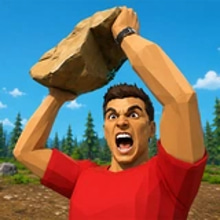
The obvious fantasy in Battle of Stones is hitting someone in the face with a rock from just the right distance. Very classic. Very persuasive. But the better part of the game is that throwing alone is not enough. You need to move, grab stones, manage distance, and avoid becoming the easiest target on the map. That is where the action gets more interesting. If the throwing feels sharp, then every match becomes a dance between aggression and survival. Run in too early, and you get punished. Hang too far back, and your team loses pressure. Wait too long to throw, and the whole opening disappears.
That is why the controls sound promising. WASD movement, running, rolling, jumping, grabbing, throwing. This is not a static cover shooter disguised as a stone fight. It is meant to feel active. A player should constantly be deciding whether to reposition, close the gap, retreat, or commit to the throw. That kind of input rhythm gives a simple arena game much more life than its premise might suggest.
𝗦𝗧𝗢𝗡𝗘𝗦 ⚡ 𝗙𝗘𝗘𝗟 𝗕𝗘𝗧𝗧𝗘𝗥 𝗪𝗛𝗘𝗡 𝗧𝗛𝗘𝗬 𝗔𝗥𝗘 𝗟𝗜𝗠𝗜𝗧𝗘𝗗
One of the smartest things about a stone-throwing battle game is that ammunition does not just magically appear in your hand. You have to grab it. That creates tension immediately. A stone on the ground is not just a resource. It is a decision point. Do you risk moving into the open to pick it up? Do you hold your line and let someone else take that chance? Do you fake movement toward one stone, then cut to another angle? That simple pickup mechanic creates layers of strategy without making the game feel heavy.
It also makes the battlefield itself more relevant. Now space matters because space contains opportunity. A good throw is satisfying, yes, but a good throw after winning the right position feels much better. This is how very simple combat systems become genuinely replayable. They force players to care about the area between attacks, not only the attacks themselves.
𝗧𝗘𝗔𝗠𝗪𝗢𝗥𝗞 🤝 𝗧𝗨𝗥𝗡𝗦 𝗔 𝗚𝗢𝗢𝗗 𝗧𝗛𝗥𝗢𝗪 𝗜𝗡𝗧𝗢 𝗔 𝗪𝗜𝗡𝗡𝗜𝗡𝗚 𝗥𝗢𝗨𝗡𝗗
Because Battle of Stones is built around team-on-team fights, the game should feel much better when players stop thinking like lone heroes and start thinking in little coordinated bursts. One player draws attention. Another moves wide. One forces the dodge. Another lands the hit. That is the kind of sequencing that makes simple arena combat memorable. The moment the player realizes that teamwork beats panic, the game opens up.
This is where Battle of Stones aligns especially well with other Kiz10 team pages. Stickman Army Team Battle is built around reading the field and supporting your side with the right timing, while 2v2.io emphasizes synergy and positioning in fast browser matches. Battle of Stones sounds less about abstract builds and more about physical projectile pressure, but the same principle applies: the best teams are not just accurate, they are coordinated.
𝗥𝗢𝗟𝗟 🌀 𝗔𝗡𝗗 𝗥𝗨𝗡 𝗠𝗔𝗞𝗘 𝗧𝗛𝗘 𝗚𝗔𝗠𝗘 𝗙𝗘𝗘𝗟 𝗙𝗔𝗦𝗧𝗘𝗥 𝗧𝗛𝗔𝗡 𝗜𝗧 𝗟𝗢𝗢𝗞𝗦
A throwing game becomes much more fun the moment the player has defensive movement tools, and Battle of Stones clearly does. Rolling and sprinting are a huge deal here, because they mean defense is active, not passive. You do not just stand there hoping the enemy misses. You force the miss. You change the angle. You cut behind cover. You bait the throw and then explode into a better lane. That keeps the whole match alive.
This also means the best players will probably look almost disrespectfully calm. They will not just toss stones wildly and pray. They will reposition, read the enemy, use movement to waste opposing throws, then punish the mistake. That kind of control is what gives a browser arena game real staying power. It lets the player feel improvement in a visible way.
𝗣𝗥𝗘𝗖𝗜𝗦𝗜𝗢𝗡 🧠 𝗔𝗡𝗗 𝗣𝗔𝗧𝗜𝗘𝗡𝗖𝗘 𝗔𝗥𝗘 𝗠𝗢𝗥𝗘 𝗗𝗔𝗡𝗚𝗘𝗥𝗢𝗨𝗦 𝗧𝗛𝗔𝗡 𝗣𝗨𝗥𝗘 𝗔𝗚𝗚𝗥𝗘𝗦𝗦𝗜𝗢𝗡
A game called Battle of Stones could easily fall into the trap of becoming random chaos. But the description suggests it wants more than that. Precision and strategy are called out directly, which is a very good sign. That means the fun is not just in throwing fast. It is in choosing the right moment. A careless player might throw more often, but the smarter one throws better. That difference matters a lot.
This is part of what makes the game feel accessible but not empty. New players can understand it quickly. Pick up stone, throw stone, do not get hit by stone. Simple. But experienced players get more to work with. Positioning, timing, lane control, movement reads, team play. That extra layer is what allows a casual browser game to stay fun after the first few rounds.
𝗧𝗛𝗘 𝗔𝗥𝗘𝗡𝗔 🏟️ 𝗜𝗦 𝗣𝗥𝗢𝗕𝗔𝗕𝗟𝗬 𝗔 𝗕𝗜𝗚𝗚𝗘𝗥 𝗪𝗘𝗔𝗣𝗢𝗡 𝗧𝗛𝗔𝗡 𝗧𝗛𝗘 𝗦𝗧𝗢𝗡𝗘𝗦 𝗧𝗛𝗘𝗠𝗦𝗘𝗟𝗩𝗘𝗦
The battlefield in a game like this should feel like more than a backdrop, because every inch of space changes how stones travel and how teams engage. Open areas create long throw opportunities. Narrow routes create pressure and danger. Cover matters. Distance matters. The place where you choose to fight can matter as much as how well you aim. That spatial awareness is often what separates a funny action game from a genuinely good one.
This is another reason Battle of Stones could work so well on Kiz10. The site already hosts multiplayer arena games where map awareness changes the whole feel of the match. Paper Battle Multiplayer explicitly revolves around collecting items, fighting for control, and banking success before it gets knocked loose, while Project Exonaut uses mobility and spatial awareness to keep combat dynamic. Battle of Stones would fit that style, just with a more primitive and more immediately readable weapon fantasy.
𝗪𝗛𝗬 🏆 𝗕𝗔𝗧𝗧𝗟𝗘 𝗢𝗙 𝗦𝗧𝗢𝗡𝗘𝗦 𝗙𝗜𝗧𝗦 𝗞𝗜𝗭10
Battle of Stones feels like a natural Kiz10 game because it delivers quick, browser-friendly team competition without hiding the fun behind unnecessary complexity. You move, grab, throw, dodge, and coordinate. That is enough. Kiz10 already has proven overlap in team battle, arena action, and projectile-heavy combat through Stickman Army Team Battle, 2v2.io, Paper Battle Multiplayer, Project Exonaut, and even siege-flavored throwing games like Clash of Stone and Catapult Throw stones. Those pages suggest players on the site already respond well to combat that is easy to read but still has room for tactics.
If you enjoy team action games, quick arena battles, and the timeless joy of proving that a well-thrown rock can solve almost any disagreement, Battle of Stones has the right kind of energy. It sounds fast, physical, slightly ridiculous, and exactly the sort of browser match that can turn “one quick round” into a much longer argument with your own competitiveness.



 2 (152 votes)
 Share
Share
 Embed
Embed