𝗧𝗛𝗜𝗦 𝗦𝗖𝗛𝗢𝗢𝗟 𝗗𝗔𝗬 𝗜𝗦 𝗡𝗢𝗧 𝗚𝗢𝗜𝗡𝗚 𝗢𝗡 𝗧𝗛𝗘 𝗥𝗘𝗣𝗢𝗥𝗧 𝗖𝗔𝗥𝗗 🏫💥
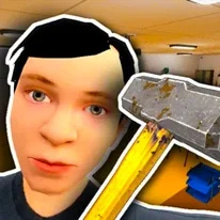
Schoolboy Blows Up The School begins with a very clear message: today is not about homework. No pencils, no notebooks, no silent reading, no math problems pretending to be useful. Instead, you step into a school building with a heavy sledgehammer and one extremely noisy goal: destroy everything in sight. Desks, chairs, blackboards, cabinets, office furniture, classroom objects, anything that looks breakable. If it stands, it is probably part of the mission.
On Kiz10.com, Schoolboy Blows Up The School works as a chaotic destruction action game where progress comes from smashing objects level by level. You move through school areas, clear rooms, break furniture, and unlock the next space only after causing enough damage. It is simple in the best way. You do not need a complicated story to understand why the hammer exists. The game hands it to you, points toward the classroom, and lets the destruction explain itself.
The appeal is immediate. Every swing has weight. Every broken object feels like progress. A classroom that starts organized slowly becomes a storm of splinters, shattered pieces, and satisfying mess. It is not realistic school behavior, obviously. Please do not bring a sledgehammer to class. But as a virtual destruction simulator, it has that perfect stress-release energy: loud, direct, silly, and strangely relaxing after a few swings.
𝗧𝗛𝗘 𝗦𝗟𝗘𝗗𝗚𝗘𝗛𝗔𝗠𝗠𝗘𝗥 𝗜𝗦 𝗧𝗛𝗘 𝗢𝗡𝗟𝗬 𝗦𝗨𝗕𝗝𝗘𝗖𝗧 𝗧𝗢𝗗𝗔𝗬 🔨
The sledgehammer is the heart of the game. It is not elegant. It is not subtle. It does not ask questions before turning furniture into scrap. That makes it perfect. Schoolboy Blows Up The School is built around the physical joy of impact, where each hit pushes the level closer to completion. You swing, something breaks, and the room becomes a little less educational.
A good destruction game needs feedback, and this one leans into it. When desks and chairs fall apart, when objects scatter, when the environment changes because of your actions, the game feels responsive. You are not just clicking at static props. You are actively clearing the room, one swing at a time. That makes even a simple classroom feel like a challenge area.
The best way to play is to be thorough. Do not leave corners unchecked. Do not assume small objects do not matter. If the level wants total destruction, then every piece of furniture becomes suspicious. The game rewards players who look around, identify anything still standing, and finish the job before moving on.
𝗙𝗥𝗢𝗠 𝗧𝗛𝗘 𝗠𝗔𝗧𝗛 𝗥𝗢𝗢𝗠 𝗧𝗢 𝗧𝗛𝗘 𝗣𝗥𝗜𝗡𝗖𝗜𝗣𝗔𝗟’𝗦 𝗢𝗙𝗙𝗜𝗖𝗘 📚
The progression through different school areas gives the game a clear path. You may begin in a classroom filled with ordinary furniture, but the journey does not stop there. Each level represents another part of the school, and each area brings its own layout, objects, and destruction targets. The school slowly becomes a tour of controlled chaos.
That level structure matters because it keeps the action moving. If the game were only one room, the idea would get old quickly. Instead, every new area feels like a fresh demolition assignment. A math classroom has one kind of clutter. A hallway may feel more open. The principal’s office carries a different kind of satisfaction because, let’s be honest, smashing a fancy desk in a game has dramatic final-level energy.
The fun comes from seeing how each room changes. At the start, everything looks normal. A few swings later, the place tells a different story. By the end, the area should look like a sledgehammer wrote an essay and used the furniture as punctuation.
𝗧𝗢𝗧𝗔𝗟 𝗗𝗘𝗦𝗧𝗥𝗨𝗖𝗧𝗜𝗢𝗡 𝗜𝗦 𝗧𝗛𝗘 𝗪𝗜𝗡 𝗖𝗢𝗡𝗗𝗜𝗧𝗜𝗢𝗡 🎯
Schoolboy Blows Up The School is not about gentle partial damage. The objective is to leave nothing important standing. That gives every stage a satisfying checklist feeling without needing an actual checklist shoved in your face. You look at the room, decide what still needs breaking, and keep swinging until the game lets you continue.
This creates a simple but effective rhythm. Enter the room. Scan the objects. Break the obvious furniture. Check the edges. Return to anything you missed. Unlock the next stage. It is easy to learn and naturally rewarding because the environment becomes proof of your progress.
There is also a small puzzle-like element in being complete. Sometimes the last object is not the biggest one. It might be a chair tucked near a wall, a cabinet off to the side, or a stubborn piece of furniture that somehow survived the first wave. Finding and breaking the final object can feel as satisfying as the first huge smash.
𝗧𝗛𝗘 𝗦𝗔𝗧𝗜𝗦𝗙𝗔𝗖𝗧𝗜𝗢𝗡 𝗜𝗦 𝗜𝗡 𝗧𝗛𝗘 𝗠𝗘𝗦𝗦 ✨
The game is made for players who enjoy destruction simulators, casual action games, school prank games, object smashing, demolition challenges, and quick stress-relief gameplay. It is not trying to be complicated. That is part of its strength. Sometimes the best action game is the one where the objective fits inside one sentence: break everything.
Visual feedback makes the smashing feel better. Watching wood, glass, and classroom objects break apart gives every hit a tiny reward. The more the room changes, the more satisfying the level becomes. There is something funny about turning a quiet classroom into a disaster zone while the game treats it like proper progress.
It also works well for short sessions. You can jump in, clear a room, enjoy the chaos, and move to the next level without needing a long setup. But it can also pull you into longer play because each new area promises a different kind of mess. One more room. One more object. One more desk that should have moved out of the way.
𝗛𝗢𝗪 𝗧𝗢 𝗦𝗠𝗔𝗦𝗛 𝗕𝗘𝗧𝗧𝗘𝗥 𝗪𝗜𝗧𝗛𝗢𝗨𝗧 𝗪𝗔𝗦𝗧𝗜𝗡𝗚 𝗘𝗡𝗘𝗥𝗚𝗬 🧠
Start by clearing the center of the room first. Big objects usually take attention, and removing them early makes it easier to move around. After that, sweep the edges and corners. Many players miss objects near walls because they focus only on the obvious furniture in the middle.
Use a method. Go left to right, front to back, or circle the room. Random smashing is fun, but organized smashing is faster. Very professional. Extremely absurd. If you want to complete levels efficiently, treat the classroom like a demolition route instead of a pile of targets.
Do not rush past half-broken furniture. If something still looks intact enough to count, hit it again. The game may require full destruction before unlocking the next area, so precision matters more than wild swinging. A complete room is better than a dramatic room with one chair quietly surviving in the corner like a witness.
𝗪𝗛𝗬 𝗦𝗖𝗛𝗢𝗢𝗟𝗕𝗢𝗬 𝗕𝗟𝗢𝗪𝗦 𝗨𝗣 𝗧𝗛𝗘 𝗦𝗖𝗛𝗢𝗢𝗟 𝗙𝗜𝗧𝗦 𝗢𝗡 𝗞𝗜𝗭𝟭𝟬 🌟
Schoolboy Blows Up The School is a strong choice for players who want fast action, funny destruction, simple objectives, and satisfying object-breaking gameplay. It has a clear mission, quick feedback, and enough level progression to keep the smashing from feeling flat. You know what to do immediately, but each room gives you a fresh reason to keep swinging.
On Kiz10.com, the game works perfectly as a casual action destruction game because it is easy to start and instantly understandable. You enter a school area, grab control of the sledgehammer, destroy the furniture, and move toward bigger rooms and more important targets. The result is loud, silly, and rewarding in that classic “virtual chaos only” way.
Walk through the classrooms, swing the hammer, reduce every object to pieces, and make your way toward the principal’s office. In Schoolboy Blows Up The School, the only lesson is demolition, and the final grade is measured in broken furniture. 🔨





 Share
Share
 Embed
Embed