🏨☕ A tiny hotel, a big line, and zero mercy from the morning rush
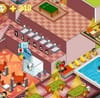
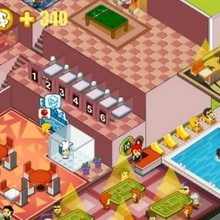
Bed And Breakfast 3 is that kind of time management game that looks friendly for exactly one second, then immediately hands you the keys and says: good luck, boss. You’re running a small hotel where guests don’t arrive “when convenient,” they arrive when they arrive, and they expect two things fast: a room and a decent breakfast. On Kiz10, it plays like a classic hotel management simulator with simple controls and a surprisingly sharp pace. You’re constantly switching between welcoming people, assigning the right room, keeping service moving, and making sure the whole place doesn’t fall apart under the pressure of one more angry customer tapping their foot.
It’s not a deep “decorate and chill” tycoon. It’s the kind of management game where the fun is the rush. The lobby is a living timer. Every guest is a moving problem. Every delay costs you money, reputation, and your sanity in tiny pieces. And yet it’s addictive, because you always believe the next round will be cleaner. You’ll be faster. You’ll be smoother. You’ll stop making that one stupid mistake where you forget a guest is waiting while you’re busy serving breakfast like a caffeinated hero.
🛎️😅 Check-in chaos: the lobby is basically a mood meter
The first loop you learn is check-in. Guests show up, they want a room, and you have to place them correctly before they get grumpy. That sounds easy until the hotel fills, the room choices start to matter, and you realize you’re not just clicking, you’re juggling flow. You’re trying to minimize walking, avoid bottlenecks, and keep the rhythm consistent. A smooth hotel run feels like a little dance: guest arrives, room assigned, key handed over, next guest, no pauses.
But the game loves creating micro-panics. A new guest arrives right when you’re handling another task, and suddenly you have to choose what matters more right now. If you ignore the lobby too long, the whole run starts to wobble. So you develop a habit: quick scan, quick decision, keep the line moving. It’s the kind of casual strategy that feels natural, like you’re thinking with your hands instead of writing a plan.
🍳🥐 Breakfast service: where “simple” becomes frantic in thirty seconds
Then comes the breakfast part, the thing that turns Bed And Breakfast 3 from “hotel desk game” into full-blown time management madness. Serving breakfast sounds cozy until you’re doing it under pressure. Guests want food, they don’t want to wait, and the moment you fall behind, it feels like the entire hotel is judging you. Breakfast in this game is basically a production line: prepare, deliver, repeat, and don’t get distracted by anything shiny.
What makes it fun is how it forces you to multitask without overwhelming you with complicated controls. It’s fast, but readable. You can feel when you’re doing well because everything stays calm. You can also feel when you’re slipping because requests stack and your movements start getting messy. And once your movements get messy, you start making silly mistakes. Like serving the wrong thing, or running back and forth because you didn’t plan the route. The game doesn’t need dramatic cutscenes to create tension. A single waiting guest is enough.
💸🔧 Upgrades and reinvestment: turning stress into progress
Here’s the part that keeps you playing: the money loop. You earn cash by satisfying guests, and you invest that money into upgrades to improve your hotel. More rooms, better service, smoother flow, higher earnings. It’s the classic management fantasy: take a small operation and grow it into something impressive. On Kiz10, that upgrade progression is the reward for surviving the chaos. You’re not grinding for nothing. Every good run makes the hotel stronger, and you feel that improvement quickly.
Upgrades also change how you think. Early on, you’re purely reactive, just trying not to fail. Once you start improving the hotel, you begin playing proactively. You anticipate. You optimize. You start asking better questions: where does the bottleneck happen, what upgrade gives the biggest benefit, what change reduces waiting time the most? It becomes a small business simulator in miniature, where smart reinvestment makes the next wave easier and the next profit bigger.
🧠⚡ The real strategy: control the flow, not the guests
In hotel games like this, you can’t control who arrives or when. What you can control is the flow. Bed And Breakfast 3 rewards you for keeping the operation smooth. The fastest way to lose is to bounce between tasks randomly, because that creates dead time. The best way to win is to group actions. Handle the lobby quickly, then do a breakfast burst, then check rooms, then back to the lobby. You’ll find your own rhythm, and once you have it, the game feels strangely satisfying, like you’re running a well-oiled machine.
There’s also a funny psychological twist: when things are going well, you get greedy. You try to do too much at once. You chase extra money, extra efficiency, extra perfection. That’s when you slip. You misclick, you delay, you forget someone, and suddenly the hotel goes from “smooth” to “fire drill.” The game is constantly teaching you that stability beats ambition. Until you upgrade, then ambition becomes possible again, and the cycle repeats. It’s a little business lesson wrapped in cartoon urgency.
🧳😈 Guests as tiny time bombs
Guests in Bed And Breakfast 3 are basically walking timers with personalities implied by their patience. You learn to respect that. A guest waiting too long isn’t just a visual detail, it’s a warning sign. The more you ignore it, the worse your run becomes. That’s what gives the game its pace. It’s not random speed; it’s pressure created by waiting. You’re always managing the gap between “I can do one more thing” and “I should handle the waiting guest right now.”
And because it’s a classic time management setup, every second matters just enough to make you care, but not so much that it becomes exhausting. That balance is why these hotel games survive for years. They’re intense in small doses, and they make you feel competent when you improve. It’s the kind of game where you finish a run and immediately replay, not because you didn’t understand it, but because you know you can run the hotel better than you just did.
🌆🏆 From small inn to city favorite: the satisfaction of being “the best”
The goal isn’t just to survive a day. It’s to build the best bed and breakfast in the city. That theme matters because it turns every upgrade into a story. Your hotel starts modest, then slowly becomes more capable, more profitable, more stable. You feel the transformation through gameplay rather than narration. The lobby becomes manageable. Breakfast becomes smoother. The chaos becomes controlled. That’s the core fantasy of a hotel management game: you tame a system that used to overwhelm you.
If you like classic time management, hotel tycoon vibes, serving games, and upgrade-focused business simulators, Bed And Breakfast 3 hits the sweet spot. It’s quick to learn, but it rewards real improvement. On Kiz10, it’s the kind of management game you play for “a few minutes” and then suddenly realize you’ve been optimizing your breakfast routes like it’s a serious profession. And honestly? That’s the point. 🛎️☕

















 4.3 (12 votes)
 Share
Share
 Embed
Embed