🚄 𝗧𝗛𝗘 𝗧𝗥𝗔𝗜𝗡 𝗜𝗦 𝗡𝗢𝗧 𝗬𝗢𝗨𝗥 𝗘𝗦𝗖𝗔𝗣𝗘, 𝗜𝗧 𝗜𝗦 𝗧𝗛𝗘 𝗪𝗔𝗥 𝗭𝗢𝗡𝗘
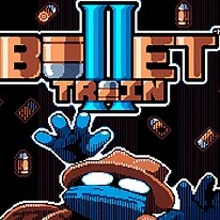
Bullet Train II throws you into a frontier science-fiction nightmare that feels like a robbery gone spectacularly wrong and then somehow gets worse in the most entertaining way possible. Space is already a rude place to do business, but this game takes that idea, straps rockets to it, and hurls you into a 2D bullet hell where survival depends on reflexes, nerve, and a very healthy disrespect for gravity. You are not slowly exploring a peaceful galaxy here. You are sprinting through danger, firing nonstop, dodging impossible projectile patterns, and trying not to become scrap metal confetti.
At its core, this is a sci-fi action game with bullet hell intensity and platform shooter instincts. That combination is what makes it so sharp. You are constantly under pressure, but not in a random way. Bullet Train II always feels like it is testing whether you can read chaos fast enough to turn it into movement. Every firefight becomes a tiny crisis. Every corridor becomes an argument between your brain and your panic response. Sometimes your brain wins. Sometimes your panic wins. Both are very dramatic.
🔫 𝗝𝗨𝗦𝗧 𝗦𝗛𝗢𝗢𝗧𝗜𝗡𝗚 𝗜𝗦 𝗡𝗢𝗧 𝗘𝗡𝗢𝗨𝗚𝗛
What the game makes clear almost immediately is that raw firepower will not save you by itself. Yes, you shoot constantly. Yes, mowing through robots is part of the thrill. But Bullet Train II is not impressed by players who only know how to hold the trigger and hope for miracles. This game wants control. It wants timing. It wants spatial awareness under ridiculous pressure.
Enemy waves are not passive targets politely waiting for their turn to explode. They attack in swarms, rush from ugly angles, and spit out projectile patterns that demand quick reading and quicker reactions. Some enemies feel deceptively simple until you realize they are pushing you into a worse part of the screen. Others move with enough speed and awkward aggression to make every safe zone feel temporary. You are always being asked to shoot and think at the same time. That is where the game becomes truly addictive.
The firefights feel like survival puzzles in motion. You are not just asking how to kill everything. You are asking where to stand, when to dash, when to jump, and whether the ceiling might be safer than the floor for the next half-second. That constant decision-making gives the game its teeth.
🧲 𝗚𝗥𝗔𝗩𝗜𝗧𝗬 𝗜𝗦 𝗬𝗢𝗨𝗥 𝗕𝗘𝗦𝗧 𝗪𝗘𝗔𝗣𝗢𝗡 𝗔𝗡𝗗 𝗬𝗢𝗨𝗥 𝗟𝗔𝗦𝗧 𝗘𝗫𝗖𝗨𝗦𝗘
The real star of Bullet Train II is the gravity-shifting mechanic. Being able to jump instantly between floor and ceiling is not just a gimmick thrown in to make screenshots look cooler. It is the heart of the entire combat system. It changes how you read danger, how you approach enemies, and how you survive projectile floods that would be impossible in a more ordinary platform shooter.
This one mechanic transforms the battlefield. Suddenly the arena is not horizontal space with a few escape routes. It becomes a double-layered death chamber where safety moves constantly. A bullet curtain sweeping across the ground can be avoided by flipping to the ceiling. An enemy locking down the upper path can be outmaneuvered by dropping below. The game keeps asking you to stop thinking in flat lines and start thinking in vertical reversals.
That makes the action feel wonderfully alive. You are not just dodging left and right like a trapped insect with a blaster. You are rewriting your position in real time. Sometimes the perfect move is not retreating but inverting. Sometimes the ceiling becomes your only friend. Strange sentence, but Bullet Train II earns it. And because many enemy patterns are clearly designed to punish players who stay grounded too long, the game rewards bold gravity changes in a way that feels elegant rather than arbitrary.
⚡ 𝗗𝗔𝗦𝗛𝗜𝗡𝗚 𝗢𝗨𝗧 𝗢𝗙 𝗗𝗜𝗦𝗔𝗦𝗧𝗘𝗥 𝗙𝗘𝗘𝗟𝗦 𝗔𝗠𝗔𝗭𝗜𝗡𝗚
Then there is the desperate running and dash energy that gives the whole experience another layer of speed. Bullet Train II does not let you settle into one comfortable rhythm for long. Just when jumping and gravity-flipping start feeling manageable, the screen fills with enough danger to remind you that survival is still a temporary arrangement.
That is when the dash becomes essential. It is not something to waste carelessly. The game practically teaches you to treat it like emergency oxygen. When the bullets stack too thickly, when a boss attack closes off too many routes, when a robot leap lands exactly where you did not want it, that burst of movement can save the entire run. Used at the right time, it feels incredible. Used poorly, it leaves you staring at a terrible next few seconds with the expression of someone who just realized they pressed the wrong elevator button into doom.
The beauty of the dash is how it complements gravity shifting. One changes your layer. The other changes your timing. Together they create a movement system that feels dynamic, expressive, and just chaotic enough to stay thrilling. You are always one smart move away from surviving something ridiculous.
🤖 𝗧𝗛𝗘 𝗥𝗢𝗕𝗢𝗧𝗦 𝗔𝗥𝗘 𝗔𝗕𝗦𝗢𝗟𝗨𝗧𝗘 𝗠𝗘𝗡𝗔𝗖𝗘𝗦
Bullet Train II would not work nearly as well without enemies worth fearing, and thankfully it has them. The robotic frogs alone are the kind of enemy that force you to stop autopiloting. They move with annoying agility, threaten your positioning, and make the arena feel less predictable. Then the bosses arrive and things escalate into full-screen panic theater.
The crab boss is a perfect example of the game’s design attitude. It is large, aggressive, pattern-heavy, and deeply uninterested in your personal comfort. Boss fights here are not just about dealing damage. They are about reading attack cycles, spotting blind spots, and shifting strategy in milliseconds. That is what makes them memorable. They do not simply hit harder. They ask more from you.
This constant variety in enemy behavior keeps the game from becoming repetitive. Each new threat changes how you move, where you stand, and how aggressively you can attack. You are always adjusting, and that is exactly why the action stays fresh.
🎵 𝗘𝗩𝗘𝗥𝗬𝗧𝗛𝗜𝗡𝗚 𝗟𝗢𝗢𝗞𝗦 𝗦𝗛𝗔𝗥𝗣, 𝗦𝗢𝗨𝗡𝗗𝗦 𝗟𝗢𝗨𝗗, 𝗔𝗡𝗗 𝗛𝗜𝗧𝗦 𝗛𝗔𝗥𝗗
A game like this lives or dies by feel, and Bullet Train II feels fantastic. The visual presentation is polished without becoming messy, which is crucial when the screen is full of bullets, enemies, movement cues, and imminent bad decisions. You need clarity in a bullet hell, and this game delivers it while still looking stylish and intense.
Then the soundtrack shows up and starts pouring fuel on everything. The music does not sit quietly in the background pretending to be modest. It pushes. It accelerates. It adds adrenaline to fights that were already trying to melt your nerves. That combination of clean visuals and energetic audio gives the whole game a fierce momentum. Even a small fight feels cinematic when everything around it is moving with this much attitude.
And because the checkpoint system is fair, the challenge stays exciting instead of exhausting. You will fail. Of course you will fail. The game is throwing projectile storms and murderous robots at you in space. But when you fall, it gets you back into the action quickly, and that keeps frustration from rotting the fun. You restart with enough dignity left to say, alright, one more try. Then five more tries happen by accident.
🌌 𝗪𝗛𝗬 𝗕𝗨𝗟𝗟𝗘𝗧 𝗧𝗥𝗔𝗜𝗡 𝗜𝗜 𝗛𝗜𝗧𝗦 𝗦𝗢 𝗪𝗘𝗟𝗟 𝗢𝗡 𝗞𝗜𝗭𝟭𝟬
On Kiz10, Bullet Train II stands out because it combines several thrilling ideas into one focused action loop. It is a 2D shooter, a bullet hell challenge, a gravity platformer, and a sci-fi boss rush all at once. It does not feel bloated. It feels sharpened. Every mechanic has a purpose. Every encounter pushes you to use those mechanics better.
If you enjoy action games that reward precision, fast reactions, pattern recognition, and aggressive movement, this one delivers beautifully. It is hard, but fair. Flashy, but readable. Wild, but never mindless. There is always something satisfying about surviving a fight that looked impossible two seconds earlier, and Bullet Train II gives you that feeling again and again.
It is the kind of game where victory feels earned through adaptation. You learn to trust the ceiling. You save the dash for the worst moments. You recognize enemy patterns not as noise but as language. And before long, you stop feeling like prey in a cosmic death tunnel and start feeling like the one thing the robots should have been afraid of all along. 🚀





 Share
Share
 Embed
Embed