𝗧𝗛𝗘 𝗖𝗛𝗜𝗖𝗞𝗘𝗡𝗦 𝗔𝗥𝗘 𝗡𝗢 𝗟𝗢𝗡𝗚𝗘𝗥 𝗝𝗨𝗦𝗧 𝗖𝗛𝗜𝗖𝗞𝗘𝗡𝗦 🐔
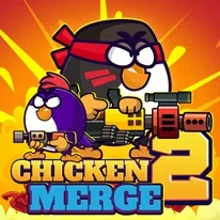
Chicken Merge 2 takes one of the funniest strategy ideas possible and somehow turns it into a genuinely addictive defense loop. At first, the concept sounds like a joke in the best way. You are building an army of chickens. Not heroic knights, not elite soldiers, not giant mechs. Chickens. Then the first serious wave arrives, your front line starts doing real damage, and suddenly the joke transforms into a proper tactical obsession. Now you are thinking about unit positioning, merge timing, upgrade value, and whether your coin economy can survive one more bad decision.
That is exactly why the game works so well on Kiz10. It combines silly surface energy with a surprisingly satisfying tower defense structure. The birds may look ridiculous, but the battlefield absolutely does not care. Enemies keep coming, waves keep escalating, and your job is to turn a messy little flock into a disciplined wall of destruction before the whole defense folds.
What makes Chicken Merge 2 especially fun is that it never asks you to choose between strategy and speed. It wants both. You need smart merging, yes, but you also need quick decisions, good placement, and enough nerves to avoid panicking when one weak lane starts collapsing.
𝗠𝗘𝗥𝗚𝗜𝗡𝗚 𝗜𝗦 𝗧𝗛𝗘 𝗛𝗘𝗔𝗥𝗧𝗕𝗘𝗔𝗧 𝗢𝗙 𝗧𝗛𝗘 𝗪𝗛𝗢𝗟𝗘 𝗚𝗔𝗠𝗘 🔄
The main mechanic is beautifully simple. Drag two matching chickens together and they evolve into a stronger version. That process sounds casual at first, but the game squeezes a lot of tension out of it. Merging is not just a way to watch bigger numbers appear. It is how you shape your entire defense. Every fusion changes the battlefield. A better bird can anchor a weak position, increase damage where it matters most, or create the difference between a clean wave and a disaster that leaves your base exposed.
This is why Chicken Merge 2 stays interesting for more than a few rounds. You are constantly deciding whether to merge now or hold back for a better formation. A merge can make one unit stronger, but it also removes a piece from the board for a moment. That means timing matters. Merging too casually can create a gap exactly where the enemy needed one. Merging at the right moment can feel brilliant.
That push and pull keeps the game active. It is not an idle merge toy where you stack birds mindlessly until something shiny happens. The merges have consequences. The battlefield is always asking whether you made the right call.
𝗣𝗟𝗔𝗖𝗘𝗠𝗘𝗡𝗧 𝗠𝗔𝗧𝗧𝗘𝗥𝗦 𝗠𝗢𝗥𝗘 𝗧𝗛𝗔𝗡 𝗣𝗟𝗔𝗬𝗘𝗥𝗦 𝗘𝗫𝗣𝗘𝗖𝗧 🎯
A lot of merge defense games can get away with letting raw unit power do most of the work. Chicken Merge 2 is more enjoyable because it gives placement real weight. Strong units only matter if they are standing where they can actually control the wave. A lethal chicken sitting in the wrong spot is still a mistake with feathers.
This is where the tactical side becomes genuinely satisfying. You start reading the field differently. Which lane is under the most pressure? Which bird deserves the safest or most influential position? Is it smarter to reinforce the center or patch the side that keeps leaking? These are not giant military decisions, but they feel meaningful in the middle of a match. The defense line becomes a little puzzle of balance and threat management.
And when the positioning clicks, the whole board suddenly feels smooth. Waves that looked dangerous melt much faster. Your strongest units begin carrying the formation properly. You stop reacting blindly and start controlling the flow. That sense of control is one of the best rewards in any defense game.
𝗖𝗢𝗜𝗡𝗦 𝗔𝗥𝗘 𝗡𝗢𝗧 𝗝𝗨𝗦𝗧 𝗥𝗘𝗪𝗔𝗥𝗗𝗦. 𝗧𝗛𝗘𝗬 𝗔𝗥𝗘 𝗢𝗫𝗬𝗚𝗘𝗡 💰
The economy side is another reason the game stays addictive. Every wave you clear gives you coins, and those coins decide what kind of future your army gets to have. More energy means more training. More training means more merges. More merges mean better defenders. Everything loops back into the same satisfying structure. The coins are not there just to make the screen feel generous. They are the fuel that keeps your chicken machine alive.
That is what makes each victory matter beyond the round itself. You are always building toward the next defensive threshold. Maybe one more wave gives you enough to upgrade the exact unit you need. Maybe one more clear lets you stack enough energy to build a stronger flock before the next brutal push. Even bad situations can feel survivable if the economy is still working in your favor.
This kind of loop is dangerous in the best possible way. A player finishes a wave, sees the coins roll in, notices that one more merge or upgrade is now possible, and instantly wants to continue. That is how good strategy games quietly steal time.
𝗦𝗣𝗘𝗖𝗜𝗔𝗟 𝗔𝗕𝗜𝗟𝗜𝗧𝗜𝗘𝗦 𝗔𝗥𝗘 𝗧𝗛𝗘 𝗣𝗔𝗡𝗜𝗖 𝗕𝗨𝗧𝗧𝗢𝗡, 𝗕𝗨𝗧 𝗬𝗢𝗨 𝗦𝗧𝗜𝗟𝗟 𝗡𝗘𝗘𝗗 𝗕𝗥𝗔𝗜𝗡𝗦 ⚡
Chicken Merge 2 gets even better because it does not rely entirely on passive defense. Special abilities add a nice layer of active decision-making. When things go badly, and they will, these abilities can rescue a shaky formation or stop a desperate wave from becoming a total collapse. That extra control is important because it keeps the player involved even after the units are placed.
But the game is smart enough not to make abilities a free escape from bad planning. Cooldowns matter. Timing matters. If you burn a special too early out of fear, you may have nothing left when the real problem arrives. That makes abilities feel valuable instead of cheap. They are part lifeline, part tactical choice. Used well, they save the defense. Used badly, they just delay the inevitable.
That balance helps the game avoid becoming too automatic. Even once your birds are strong, you still have moments where your own reaction and judgment can decide the outcome.
𝗨𝗣𝗚𝗥𝗔𝗗𝗘𝗦 𝗧𝗨𝗥𝗡 𝗦𝗜𝗟𝗟𝗬 𝗕𝗜𝗥𝗗𝗦 𝗜𝗡𝗧𝗢 𝗔 𝗥𝗘𝗔𝗟 𝗪𝗔𝗥 𝗠𝗔𝗖𝗛𝗜𝗡𝗘 🛠️
Progression in Chicken Merge 2 feels good because it is visible. Better weapons, stronger impact, tougher units, higher damage, each improvement changes how the defense feels, not just how the menu looks. That is important. Upgrades should not be abstract promises. They should make the battlefield behave differently, and this game does a good job of that.
As the levels get tougher, you really start to feel how important those improvements are. Early waves may let you survive through decent placement and modest merges alone. Later rounds are much less polite. They demand better upgrades, tighter formations, and a stronger understanding of your own economy. The game keeps pushing you to sharpen every part of your setup.
And because the upgrades feed directly into future merges and formations, progression never feels detached from play. Everything connects. You earn. You improve. You survive harder waves. You earn more. That circular logic is exactly what makes the loop so effective.
𝗧𝗛𝗘 𝗕𝗘𝗦𝗧 𝗗𝗘𝗙𝗘𝗡𝗦𝗘 𝗚𝗔𝗠𝗘𝗦 𝗠𝗔𝗞𝗘 𝗬𝗢𝗨 𝗙𝗘𝗘𝗟 𝗖𝗟𝗘𝗩𝗘𝗥, 𝗡𝗢𝗧 𝗝𝗨𝗦𝗧 𝗟𝗨𝗖𝗞𝗬 🧠
Chicken Merge 2 works because wins usually feel earned. Yes, the premise is funny and the birds are charmingly absurd, but the strategy underneath has enough bite to make clean victories satisfying. You can feel when a wave was won because you actually planned well. You merged with discipline. You placed units with intention. You managed your coins instead of wasting them. Those are the kinds of successes that make defense games memorable.
It also means losses feel fixable. Usually, when things fall apart, you can tell why. A lane was too weak. A merge came at the wrong time. The money went into the wrong choice. That is a good sign. It means the game is teaching rather than merely punishing. The next run already feels useful because you know what the last one revealed.
That is how a funny chicken defense game turns into a proper score-and-strategy addiction. Underneath the chaos, the logic is solid.
𝗪𝗛𝗬 𝗖𝗛𝗜𝗖𝗞𝗘𝗡 𝗠𝗘𝗥𝗚𝗘 𝟮 𝗙𝗜𝗧𝗦 𝗞𝗜𝗭𝟭𝟬 𝗦𝗢 𝗪𝗘𝗟𝗟 🏆
On kiz10.com, Chicken Merge 2 is a great fit for players who enjoy merge games, tower defense strategy, wave survival, upgrade loops, and silly ideas executed with real tactical depth. It has the kind of immediate hook that works well in a browser, but it also has enough planning behind it to keep players around much longer than expected.
The chicken theme makes it memorable, but the design is what keeps it alive. Merging matters. Placement matters. Coins matter. Special abilities matter. Everything feeds into the same pressure loop, and that loop is hard to resist once the waves start rolling in.
Chicken Merge 2 is bright, funny, and sharper than it first appears. If you like defense games where formation, merging, and resource decisions all shape the outcome, this one delivers exactly that. Do not underestimate organized poultry. That is the first mistake.



 2 (153 votes)
 Share
Share
 Embed
Embed