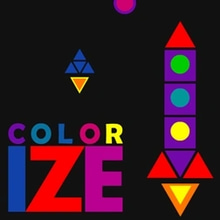
Colorize starts with a world that feels like someone drained the joy out of it and forgot to put it back. Shapes, tiles, little scenes, patterns… all there, but washed out, waiting. On Kiz10, this is the kind of puzzle game that looks peaceful until you realize it’s quietly testing your attention. Not with loud timers, not with enemies, but with tiny decisions that matter. You’re here to bring color back, but you don’t get to do it randomly. You have to do it correctly, and “correctly” is where the game becomes addictive.
At first you’ll think it’s simple. Match the color. Fill the area. Move on. Then you hit the level where two shades look almost identical and the game basically asks, are you sure you’re paying attention or are you just guessing with confidence. That’s when Colorize becomes a real brain game. Still calming, still pretty, but sharper than it looks.
𝗖𝗢𝗟𝗢𝗥 𝗜𝗦 𝗡𝗢𝗧 𝗗𝗘𝗖𝗢𝗥𝗔𝗧𝗜𝗢𝗡, 𝗜𝗧’𝗦 𝗧𝗛𝗘 𝗠𝗘𝗖𝗛𝗔𝗡𝗜𝗖
In Colorize, color isn’t just a theme. It’s the language of the puzzle. You’re working with palettes, sections, boundaries, and rules that decide how color spreads or locks in. The fun comes from reading what the level wants from you. Some stages feel like straightforward fill puzzles where you just need the right shade in the right spot. Others feel like little logic traps: if you color this area first, you might block the clean path for the next one. If you pick the wrong order, you’ll have to undo or rethink.
It’s a game that rewards planning without forcing you to plan for a hundred moves. Most of the time you only need to think a few steps ahead. Which area is safest to lock in first. Which color choice reduces future confusion. Where do the boundaries guide you. That small, manageable strategy is why it’s so easy to keep playing. You’re always close to the solution. Close enough to want “one more level.”
𝗧𝗛𝗘 𝗦𝗔𝗧𝗜𝗦𝗙𝗬𝗜𝗡𝗚 𝗣𝗔𝗥𝗧: 𝗪𝗔𝗧𝗖𝗛𝗜𝗡𝗚 𝗧𝗛𝗘 𝗪𝗢𝗥𝗟𝗗 𝗖𝗢𝗠𝗘 𝗕𝗔𝗖𝗞
There’s a specific kind of satisfaction that only color puzzle games deliver: the moment the dull scene becomes alive again. It’s like cleaning a foggy window and suddenly seeing what was always there. Colorize leans into that feeling. Every correct action is a tiny restoration. You’re not only clearing a level, you’re fixing it. That emotional reward matters more than people admit. Your brain likes progress you can see, not just numbers going up.
And because the game is visual, you get instant feedback. If a color choice is wrong, you feel it. It looks off. If it’s right, it clicks into place like a puzzle piece snapping into a frame. That immediate “yes, that’s it” feeling keeps your momentum alive.
𝗦𝗛𝗔𝗗𝗘𝗦, 𝗧𝗥𝗜𝗖𝗞𝗦, 𝗔𝗡𝗗 𝗧𝗛𝗘 𝗟𝗜𝗧𝗧𝗟𝗘 𝗠𝗢𝗠𝗘𝗡𝗧 𝗬𝗢𝗨 𝗥𝗘𝗔𝗟𝗜𝗭𝗘 𝗬𝗢𝗨’𝗥𝗘 𝗚𝗘𝗧𝗧𝗜𝗡𝗚 𝗕𝗘𝗧𝗧𝗘𝗥
At the beginning, you’ll approach levels like a casual player: pick a color, apply it, hope it’s fine. After a few stages, you start noticing patterns. You stop guessing and start reading. You recognize the game’s favorite misdirection: near-identical hues, symmetrical sections that tempt you to mirror incorrectly, small areas that exist purely to bait a wrong fill. Suddenly you’re not just playing, you’re scanning like a person who’s been betrayed by color before 😅
And that’s the best improvement curve. You feel yourself getting sharper. You start checking edges before committing. You start choosing an order instead of reacting. You begin trusting your eyes, but you also start double-checking them. It’s funny how a calm coloring puzzle can train real focus, but it does.
𝗖𝗛𝗜𝗟𝗟 𝗚𝗔𝗠𝗘, 𝗦𝗧𝗥𝗘𝗦𝗦 𝗠𝗢𝗠𝗘𝗡𝗧𝗦
Colorize is mostly relaxing, but it has these tiny spikes of tension. Not horror tension. More like “I’m one move away from messing this up and having to undo it” tension. You’ll feel it when you’re almost done with a stage and there’s one last region left, and you’re suddenly unsure if it’s the lighter shade or the slightly darker shade. Your finger hovers. Your brain does that awkward little pause. You think, don’t blow it at the end. Then you commit, and it’s either perfect relief or instant regret.
Those moments give the game flavor. Without them it would be too sleepy. With them it stays engaging. It’s a calm game that occasionally pokes you to stay awake.
𝗧𝗛𝗘 𝗦𝗘𝗖𝗥𝗘𝗧 𝗦𝗧𝗥𝗔𝗧𝗘𝗚𝗬: 𝗢𝗥𝗗𝗘𝗥 𝗕𝗘𝗔𝗧𝗦 𝗦𝗣𝗘𝗘𝗗
If you’re trying to play Colorize fast, you’ll probably get messy. The best runs come from choosing a smart order. Clear the areas that are most obvious first. Lock in the colors you’re confident about. Use those as reference points for the ambiguous zones. When you build the level like that, the “hard” sections become easier because you’ve created context.
Also, your eyes will lie to you if you stare too long. That’s real. After a while, shades blur. If you start second-guessing everything, take a breath, look away for a second, then look back. Suddenly the correct color feels obvious again. It’s not magic, it’s your brain resetting. And yes, it works embarrassingly well.
𝗪𝗛𝗬 𝗖𝗢𝗟𝗢𝗥𝗜𝗭𝗘 𝗜𝗦 𝗣𝗘𝗥𝗙𝗘𝗖𝗧 𝗙𝗢𝗥 𝗞𝗜𝗭10
This is exactly the kind of game that fits Kiz10: easy to start, instantly readable, and satisfying in short sessions. You can play one level while waiting for something, then accidentally keep going because you want to finish the next picture, then the next. It’s not demanding, but it’s sticky. The feedback is quick, the progress is visual, and the puzzles are simple enough to be relaxing while still requiring enough focus to feel rewarding.
If you enjoy color matching puzzles, relaxing logic games, visual pattern challenges, or anything that scratches the “fix this and make it look right” itch, Colorize is a great pick. It’s calm, clever, and surprisingly good at turning a gray screen into a small victory you can actually feel. Bring the color back, keep your head clear, and don’t trusts the almost-identical shades unless you’re really sure 🎨✨





 3.9 (14 votes)
 Share
Share
 Embed
Embed