You clock in and the building exhales like it remembers you from a worse story. Fluorescents buzz, the fan scrapes, a poster smiles too wide. Somewhere down a hallway, a servo resets with a tiny grind that sounds a lot like a dare. It’s fine. It’s a job. Five nights, a shoestring paycheck, nothing you can’t handle—until the first camera feed skips, the audio stutters, and a set of eyes reflect back at you from a place the map says is empty. Your hand floats to the door control on instinct. Welcome to a shift that measures courage in two-second increments.
Rage After Dark 👁️🗨️🔥
When the sun leaves, the mascots wake with moods that don’t read the handbook. They wander, they sulk, they sprint, they stare. Some nights they test locks like lawyers. Other nights they bang on vents like drummers who lost the beat. You don’t fight them. You negotiate with distance and time. Watch one hallway. Ignore another. Lure a noisy brute down the long route with a flicker of audio bait and pray the quiet one isn’t already at your door. It’s a chess match played with faulty cameras and bad lighting. That’s the thrill. That’s the problem.
Cameras Lie, Clocks Don’t 📹🕰️
Your cameras are your only friends and they gossip. Feeds drop for a heartbeat. Static blooms at the worst possible second. Sometimes the angle shrugs, as if the lens is embarrassed to show what it just saw. Learn to triangulate. If Cam 3 goes snowblind and Cam 4 shows an empty corridor, then the thing you’re worried about is hugging a wall between them. Panics happen when you trust a single image. Wins happen when you compare two and listen to the building’s breath. Meanwhile the clock crawls. From 12 AM to 6 AM is six tiny lifetimes, each minute a brittle bridge to the next.
Power Is A Prayer 🔋😬
Every action drinks from a shallow cup. Doors chew wattage like they’re offended by your survival. Lights nibble. Cameras sip when you’re polite and chug when you’re scared. Learn the economy. Only flip what you must. Tap, don’t hold. Pulse a light to check a blind spot, don’t bask in it. Keep doors open until your ears, not your fear, say otherwise. There’s an art to playing “what if” against “what is.” The night you finish with one percent left and the music box in your brain plays a single nervous note, you understand why efficiency feels like heroism.
Patterns With Teeth 🧠🦷
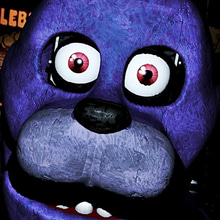
They all have tells, except on the night they don’t. The lanky one prefers the east hall, loves the camera that fisheyes your view, hates bright pops of light. The heavy one stomps; you can count his steps through the desk, like drums under your elbow. The small one never shows on wide cams but leaves little “hello” misplacements—a chair turned, a poster crooked, a silhouette that’s too short to be a coat rack. Catalog these quirks. Then be ready when the game lies to your face and switches roles. That’s not unfair; that’s the contract. The house teaches you habits and then charges interest.
Sound Is A Compass 🎧🔦
The audio mix is a map drawn in static and whispers. A metallic clink means a vent panel just met a forehead. A fabric hush says stage curtains learned a new wind. Far-off carnival music means you should not look away from the west door for the next five seconds. Turn the volume up just enough to live inside the room’s throat. Humans are better at hearing patterns than seeing them, especially when cameras forget how to be honest. When your ear catches the breath of a thing around the corner and you close the door half a second before it tests the hinge, you will feel clever enough to forgive everything else.
Little Tricks For Staying Alive 🧩😅
There’s a rhythm you can live in. Sweep cams in a loop that ends on your worst hallway. Quick-tap the door light, never hold. If you hear a double-clack in the vent, resist the panic slam—wait a beat, then shut; you’ll save power and still win the encounter. Bait the loud one away with a short burst of audio in a room two steps behind him, then watch for the quiet one in the opposite lane. If a feed stays static for longer than a breath, glance at your power, decide if the gamble is worth the check, and commit. Indecision costs more watts than mistakes.
Night Two, Night Three, Night Four… 🌙↗️
Each night rewrites the test. Night two is the aha night where your loop starts to make sense and your fingers stop shaking on the buttons. Night three introduces impatience—yours and theirs. They fake retreats. They double-back. Your best tool becomes restraint. Night four is pettiness incarnate, a parade of almosts and gotchas where the difference between failure and triumph is a single unnecessary camera flip you didn’t make. By night five, you aren’t braver—you’re tidier. You speak the building’s language without thinking. That’s survival, not luck.
The Office, Your Coffin With Windows 🪟🔒
Your safe room isn’t safe. It’s a stage with props that lie. A friendly fan that eats power while doing absolutely nothing for your health. A door that feels sturdy until you remember you can’t keep it closed forever. A poster that changes, a note that wasn’t there, the tiniest balloon that absolutely was not in that corner last shift. The room mutters at your sanity because panic makes sound, and the things out there love the taste of it. Decorate your mind instead. Anchor yourself to routine. Check left light, check right light, hit cam, sweep three, sweep five, back to desk. When routine breaks, you decide—not the fear.
Jumpscares Are Tests, Not Punishments 😈📏
When you lose, the screen erupts and you yelp, fling a hand, laugh that awkward laugh, check if anyone heard. It feels cheap once. Then you realize the scare is a teacher in a rude costume. You sat on a door too long. You trusted a quiet corridor. You forgot the small one exists. Apply the lesson and the next run hums. The best part is how quickly the game feeds you another chance. There’s no hour-long crawl back to the fun. Two clicks, one breath, and you’re back under the same humming lights, smarter by exactly one mistake.
Presentation That Tightens The Knot 🔊🎨
The palette leans sickly, the shadows feel sticky, and the way the camera UI clicks between feeds lands in your ears like a metronome that forgot how to comfort. Animatronic eyes catch light in a way that looks wet, even when you know it’s plastic. The ambience isn’t loud; it’s precise. A vent moans in D minor, a sign chain rattles in tempo with your heart. When 6 AM finally blinks with that gentle tone that tastes like warm toast, your shoulders drop so fast you could swear the chair gained an inch.
Stories You Tell Tomorrow ☕👀
You’ll recount the near-misses like ghost stories at breakfast. The time the heavy one camped your door at 5 AM while the power bled like a bad joke, and you won anyway because you trusted your ear, not your eyes. The run where the small one sprinted three rooms off-camera and you only survived because you refused to open the door on a hunch. The night you made it to 6 AM with zero percent, the screen fading, the jingle starting, your soul hovering between a scream and a cheer. These memories stick because you earned them, one decision at a time.
Why You Keep Coming Back 💼🧊
Because it’s not about luck. It’s about learning a hostile music and choosing when to dance. Because the tools are simple but the conversation is deep. Because the game respects your panic enough to weaponize it and still feels fair when you overcome it. Because “one more try” turns into “one more night” and suddenly you’re the kind of person who can hear a vent scrape in your sleep and roll over smiling.
Clock In On Kiz10 🌐🔔
Five Days at Freddys: Rage at Night feels like a boss fight stretched over five evenings, a horror survival loop where knowledge is armor and restraint is a blade. Load it on Kiz10, put your finger over the lights, and promise yourself you’ll only slam a door when your ears tell you to. Watch the feeds with patience, ration power like it’s precious water, and trust that even the angriest mascot has a pattern you can unspool. The paycheck is small. The pride is huge. And 6 AM has never sounded better.





 Share
Share
 Embed
Embed


