𝗕𝗿𝗲𝗮𝗸 𝘁𝗵𝗲 𝗯𝗹𝗼𝗰𝗸 𝘁𝗵𝗲𝗿𝗲, 𝗕𝗿𝗮𝗶𝗻𝗿𝗼𝘁! 𝗶𝘀 𝘁𝗵𝗲 𝗸𝗶𝗻𝗱 𝗼𝗳 𝗴𝗮𝗺𝗲 𝘁𝗵𝗮𝘁 𝘀𝘁𝗮𝗿𝘁𝘀 𝘀𝗶𝗺𝗽𝗹𝗲 𝗮𝗻𝗱 𝘁𝗵𝗲𝗻 𝗴𝗿𝗮𝗯𝘀 𝘆𝗼𝘂 𝗯𝘆 𝘁𝗵𝗲 𝗯𝗿𝗮𝗶𝗻 𝘄𝗶𝘁𝗵 𝗮 𝗽𝗶𝗰𝗸𝗮𝘅𝗲 ⛏️🧠
At first, the idea seems almost innocent. Break blocks. Find brainrots. Sell them. Upgrade your axe. Repeat. Nice little loop. Clean. Harmless. Then a rare brainrot drops from a block you almost ignored, you sprint to sell it, buy a stronger tool, notice that better blocks are waiting farther away, and suddenly the whole game turns into a very satisfying cycle of smashing, collecting, risking, and growing stronger. That is where the magic lives.
What makes Break the block there, Brainrot! work so well is that it understands the power of simple progression. It gives you one direct action, hit the block, and then builds a whole reward system around that action. Every swing matters because every block could hold something useful. Every new discovery matters because it feeds the next upgrade. Every upgrade matters because it lets you hit harder, move faster through the grind, and reach the next layer of rewards more efficiently. It is the sort of action game that does not need complicated systems to stay addictive. It just needs the loop to feel good, and here it really does.
On Kiz10, this makes it a strong fit for players who enjoy Roblox-style grinding games, collection games, upgrade loops, and casual action titles where progress feels constant and visible. It is silly in the best way, and the silliness never gets in the way of the satisfaction.
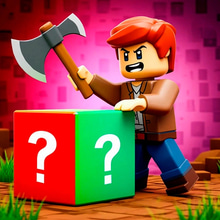
𝗧𝗵𝗲 𝗯𝗹𝗼𝗰𝗸𝘀 𝗮𝗿𝗲 𝗯𝗮𝘀𝗶𝗰𝗮𝗹𝗹𝘆 𝗹𝗼𝗼𝘁 𝗯𝗼𝘅𝗲𝘀 𝘄𝗶𝘁𝗵 𝗺𝗼𝗿𝗲 𝗱𝘂𝘀𝘁 𝗮𝗻𝗱 𝗯𝗲𝘁𝘁𝗲𝗿 𝗽𝗮𝘆𝗼𝗳𝗳 💥📦
The best thing about the game is how good it feels to break things. That sounds obvious, but games like this live or die on whether the core action stays satisfying after the first few minutes. Here, hitting blocks works because the result always matters. You are never just swinging for the sake of noise. You are breaking toward a reveal. Toward a reward. Toward a chance at finding another brainrot, maybe a better one, maybe a rarer one, maybe one that instantly changes how valuable your last few seconds were.
That sense of possibility gives the blocks real tension. Even ordinary ones feel useful because they contribute to the larger loop. Better blocks farther away feel even more tempting because the game clearly wants you to understand a very dangerous truth: bigger risk usually means better loot. And that is how these games get you. They make the next layer of progress feel close enough to chase and just risky enough to stay exciting.
It also helps that the block-breaking is tied directly to your tool growth. A stronger axe is not just a stat increase hidden in a menu somewhere. It changes the way the whole game feels. Better breaking speed means smoother farming. Smoother farming means more finds. More finds mean more money. More money means stronger upgrades again. It is a self-feeding loop, and it is extremely effective.
𝗕𝗿𝗮𝗶𝗻𝗿𝗼𝘁𝘀 𝗮𝗿𝗲 𝘁𝗵𝗲 𝗿𝗲𝗮𝗹 𝗿𝗲𝗮𝘀𝗼𝗻 𝘆𝗼𝘂 𝗸𝗲𝗲𝗽 𝘀𝘄𝗶𝗻𝗴𝗶𝗻𝗴 😄✨
Without the brainrots, this would just be a decent mining-style game. With them, it gets a personality. They are the real reward, the thing that makes each drop feel memorable. You are not only gathering faceless resources. You are building a collection. That matters a lot. Collection changes everything. It turns farming into hunting. It gives the player little moments of excitement that pure currency systems cannot match.
And because the game hints at rare brainrots hidden in blocks, every session gets a little dose of anticipation. Maybe the next block is average. Maybe it is the one that makes the run feel lucky. That kind of uncertainty is perfect for a game like this. It keeps the repetition from feeling empty because the outcome is never fully settled in advance. You always have a reason to try one more row, one more corner, one more stretch farther than before.
This also makes selling brainrots more satisfying instead of purely transactional. You are cashing in the result of your effort, but also measuring what kind of run you just had. That gives value a face, which is always good design in collection-heavy games.
𝗧𝗵𝗲 𝗳𝘂𝗿𝘁𝗵𝗲𝗿 𝘆𝗼𝘂 𝗴𝗼, 𝘁𝗵𝗲 𝗯𝗲𝘁𝘁𝗲𝗿 𝗶𝘁 𝗴𝗲𝘁𝘀, 𝘄𝗵𝗶𝗰𝗵 𝗶𝘀 𝗮𝗹𝘀𝗼 𝘄𝗵𝗲𝗻 𝗶𝘁 𝗴𝗲𝘁𝘀 𝘄𝗼𝗿𝘀𝗲 🌍⚠️
One of the smartest touches in Break the block there, Brainrot! is the way distance becomes part of the risk-reward structure. The game does not just hand you the best rewards near the starting zone and call it a day. It encourages you to push outward. The farther you go, the greater the payoff can become. That creates the exact kind of temptation a good progression game needs.
It changes your choices. Do you stay close and farm safely? Or do you push deeper where the blocks are more rewarding, knowing that trouble may be waiting? That trouble matters because the game adds a block guard into the equation, and that single threat changes the tone beautifully. Suddenly the experience is not only about breaking and collecting. It is about knowing when your greed is becoming obvious.
That tension is what keeps the exploration side from feeling passive. You are not just expanding for fun. You are stretching your luck. Every trip farther out feels a little more ambitious, a little more reckless, and a lot more exciting.
𝗧𝗵𝗲 𝗯𝗹𝗼𝗰𝗸 𝗴𝘂𝗮𝗿𝗱 𝗺𝗮𝗸𝗲𝘀 𝗴𝗿𝗲𝗲𝗱 𝗮𝗰𝘁𝘂𝗮𝗹𝗹𝘆 𝗰𝗼𝘀𝘁 𝘀𝗼𝗺𝗲𝘁𝗵𝗶𝗻𝗴 👀🚨
A collector game gets much stronger when something can interrupt the perfect loop, and the block guard does exactly that. It gives the map a pulse. A threat. A reason not to play with your brain switched off. That is a big strength, because otherwise the game could become too passive, too automatic. Instead, it keeps a little bit of danger in the air.
The guard changes how you think about routes and timing. A rare brainrot is exciting, but excitement feels different when something might be waiting to punish your greed. That contrast helps the whole game stay lively. It also makes success feel better. Getting away with good loot after pushing farther into the map always feels more satisfying than earning the same thing with zero risk attached.
It is a simple way to create tension, but it works. You keep farming, but you do not fully relax. And in a game like this, that is exactly the right amount of pressure.
𝗨𝗽𝗴𝗿𝗮𝗱𝗶𝗻𝗴 𝘁𝗵𝗲 𝗮𝘅𝗲 𝗶𝘀 𝘄𝗵𝗲𝗿𝗲 𝘁𝗵𝗲 𝘄𝗵𝗼𝗹𝗲 𝗴𝗮𝗺𝗲 𝘀𝘁𝗮𝗿𝘁𝘀 𝗳𝗲𝗲𝗹𝗶𝗻𝗴 𝗿𝗲𝗮𝗹𝗹𝘆 𝗴𝗼𝗼𝗱 🔧⛏️
The upgrade loop is probably the most satisfying part of the whole design. Selling brainrots and feeding those profits back into your axe creates a very clean sense of momentum. You can feel yourself becoming more efficient. More powerful. Less stuck. That is important because it keeps even short play sessions rewarding. Every little stretch of progress matters.
A weak tool makes the early grind feel humble. A stronger one makes the world open up. Suddenly better block paths look viable. Better farming speed makes riskier runs worth considering. Stronger progression means you spend less time only dreaming about better rewards and more time actually reaching them. That feeling is the engine of the game.
And because the upgrades connect directly to your main action, hit block, find loot, there is no disconnect. Nothing feels wasted. The system is tight, simple, and very effective.
𝗪𝗵𝘆 𝗶𝘁 𝗶𝘀 𝘀𝗼 𝗲𝗮𝘀𝘆 𝘁𝗼 𝘀𝗮𝘆 “𝗼𝗸𝗮𝘆, 𝗼𝗻𝗲 𝗺𝗼𝗿𝗲 𝗿𝘂𝗻” 𝗮𝗻𝗱 𝘁𝗵𝗲𝗻 𝗺𝗶𝘀𝗽𝗹𝗮𝗰𝗲 𝘆𝗼𝘂𝗿 𝗲𝗻𝘁𝗶𝗿𝗲 𝗮𝗳𝘁𝗲𝗿𝗻𝗼𝗼𝗻 ⏳😅
Break the block there, Brainrot! has that dangerous blend of short-term reward and long-term progression that makes browser games hard to stop. A single block can give you something fun. A single trip can give you enough to upgrade. A single upgrade can unlock a better rhythm. That means there is always another clear target just ahead. One more swing. One more route. One more sale. One more upgrade. Very suspicious game design. Very effective.
On Kiz10, it lands perfectly in that Roblox-style zone where collection, action, and upgrade loops all support each other naturally. It feels approachable right away, but it also has enough momentum to keep you around once the first strong run happens.
𝗙𝗶𝗻𝗮𝗹 𝘃𝗲𝗿𝗱𝗶𝗰𝘁: 𝗮 𝗰𝗼𝗹𝗹𝗲𝗰𝘁𝗶𝗼𝗻 𝗴𝗿𝗶𝗻𝗱𝗲𝗿 𝘄𝗶𝘁𝗵 𝗴𝗼𝗼𝗱 𝘁𝗲𝗺𝗽𝘁𝗮𝘁𝗶𝗼𝗻, 𝗴𝗼𝗼𝗱 𝘁𝗲𝗻𝘀𝗶𝗼𝗻, 𝗮𝗻𝗱 𝗮 𝗹𝗼𝘁 𝗼𝗳 𝘀𝗺𝗮𝘀𝗵𝗶𝗻𝗴 🏆🧠
Break the block there, Brainrot! is fun because it keeps its loop clean and rewarding. Breaking blocks feels useful, finding brainrots feels exciting, selling them feels productive, and upgrading your axe makes each return trip stronger than the last. Add in rare finds and the threat of the block guard, and the whole thing gains just enough risk to stay engaging.
If you like Kiz10 games built around grinding, collecting, and getting stronger through simple but satisfying systems, this one is easy to enjoy. Hit the block, grab the brainrot, cash it in, and do not pretend you were going to stop after just one more upgrade.





 Share
Share
 Embed
Embed