🌙 𝗧𝗛𝗜𝗦 𝗜𝗦 𝗡𝗢𝗧 𝗝𝗨𝗦𝗧 𝗔 𝗛𝗢𝗥𝗥𝗢𝗥 𝗚𝗔𝗠𝗘, 𝗜𝗧 𝗜𝗦 𝗔 𝗣𝗟𝗔𝗖𝗘 𝗪𝗛𝗘𝗥𝗘 𝗥𝗘𝗔𝗟𝗜𝗧𝗬 𝗞𝗘𝗘𝗣𝗦 𝗖𝗛𝗔𝗡𝗚𝗜𝗡𝗚 𝗜𝗧𝗦 𝗠𝗜𝗡𝗗
Lucid Dream 6 drops you into the sort of nightmare that does not scream all the time. It watches. It waits. It lets the silence stretch just long enough for your imagination to start doing the hard work. You wake inside a dream that does not behave like a dream should, and from the first steps it becomes clear that nothing here is meant to feel stable. Every corridor seems half-familiar, every door suggests escape without promising it, and every key feels less like an object and more like permission to enter a new version of the nightmare.
That is what makes the game so effective. It does not rely only on direct danger. It builds fear through atmosphere, uncertainty, and the constant feeling that the next room may follow a different set of rules than the one behind you. Lucid Dream 6 turns exploration into tension. A doorway is never just a doorway. It is an invitation into another strange layer of the dream, and that invitation always feels slightly wrong. The player is not merely walking through a horror map. The player is peeling through realities, one locked threshold at a time.
On Kiz10, that gives the game a stronger identity than a simple escape challenge. It is horror, yes, but it is a slower, dreamier, more psychological kind of horror that stays in your head because it never fully explains itself.
🗝️ 𝗞𝗘𝗬𝗦 𝗔𝗥𝗘 𝗡𝗢𝗧 𝗝𝗨𝗦𝗧 𝗣𝗥𝗢𝗚𝗥𝗘𝗦𝗦, 𝗧𝗛𝗘𝗬 𝗔𝗥𝗘 𝗣𝗘𝗥𝗠𝗜𝗦𝗦𝗜𝗢𝗡 𝗧𝗢 𝗚𝗢 𝗗𝗘𝗘𝗣𝗘𝗥
At the center of Lucid Dream 6 is a very simple objective: search, find keys, unlock doors, continue. But the game makes that loop feel much richer than it sounds. A key is never just a checkpoint item. It is the thing that lets you abandon one distorted reality and step into another. That gives the entire progression a more haunting feel. You are not collecting keys to leave a house in the normal sense. You are collecting keys to move deeper into something that may not want you to leave at all.
This structure works beautifully for a dream-horror game because doors naturally create tension. They divide spaces. They promise answers. They hide threats. They suggest progress while also making the player wonder whether progress is actually safe. Lucid Dream 6 appears to lean into that fear very well. Every time you unlock something, you gain access, but you also lose certainty. You have no guarantee the next place will be more understandable than the last one.
That makes the game very good at maintaining suspense. Even when nothing is actively chasing you, the act of opening the next door feels loaded with danger.
🌀 𝗗𝗥𝗘𝗔𝗠𝗖𝗢𝗥𝗘 𝗔𝗧𝗠𝗢𝗦𝗣𝗛𝗘𝗥𝗘 𝗗𝗢𝗘𝗦 𝗧𝗛𝗘 𝗛𝗘𝗔𝗩𝗬 𝗟𝗜𝗙𝗧𝗜𝗡𝗚
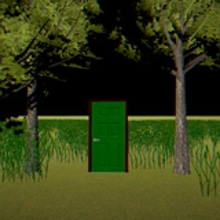
One of the strongest things about Lucid Dream 6 is the tone. The dreamcore and threshold-space feeling gives the whole game an eerie identity that is different from ordinary survival horror. This is not a grim military corridor shooter with spooky lighting. It is stranger than that. Quieter. More surreal. The environment itself becomes the source of discomfort, because it feels recognizable and unfamiliar at the same time.
That kind of design is powerful. Players are not only reacting to monsters or jump scares. They are reacting to spaces that do not feel emotionally correct. Rooms seem disconnected from normal logic. Hallways feel suspended between meanings. Doors suggest continuity, but the world behind them seems to reset reality every time. It creates the exact kind of dream fear that is hard to describe but very easy to feel. The game does not have to tell you everything is wrong. The rooms do that on their own.
And because the setting is so important, exploration becomes much more engaging. You are not just hunting for the next usable object. You are trying to understand a world that keeps slipping away from explanation.
👁️ 𝗛𝗢𝗥𝗥𝗢𝗥 𝗪𝗢𝗥𝗞𝗦 𝗕𝗘𝗦𝗧 𝗪𝗛𝗘𝗡 𝗜𝗧 𝗗𝗢𝗘𝗦 𝗡𝗢𝗧 𝗚𝗜𝗩𝗘 𝗬𝗢𝗨 𝗘𝗡𝗢𝗨𝗚𝗛 𝗔𝗡𝗦𝗪𝗘𝗥𝗦
Lucid Dream 6 seems built around ambiguity, and that is one of its biggest strengths. The player is not handed a clean explanation for every strange event. Instead, the game lets the world feel unstable and lets the player sit inside that instability. Is the final door freedom? Is it another dream? Is escape even the right word for what is happening here? That uncertainty gives the horror more staying power.
A predictable horror game is easy to leave behind once it ends. A dream-horror game lingers because it leaves just enough unresolved tension in the mind. Lucid Dream 6 appears to understand that perfectly. The fear is not only in the moment. It is in the feeling that the dream may keep going even after the next door opens.
🏃 𝗠𝗢𝗩𝗘𝗠𝗘𝗡𝗧 𝗠𝗔𝗧𝗧𝗘𝗥𝗦 𝗕𝗘𝗖𝗔𝗨𝗦𝗘 𝗦𝗣𝗔𝗖𝗘 𝗜𝗦 𝗧𝗛𝗘 𝗥𝗘𝗔𝗟 𝗣𝗨𝗭𝗭𝗟𝗘
The controls in Lucid Dream 6 are straightforward, and that is exactly what this type of game needs. WASD movement, jump, sprint, interact, simple inputs that let the player focus on the environment rather than the interface. When a horror game is about strange spaces and dream logic, the last thing it needs is awkward input getting in the way. Here, the movement appears to serve the atmosphere well. You move, observe, listen, and test the edges of each area until something clicks.
That simplicity helps the exploration feel immersive. The rooms remain the main event. The doors remain the main threat. The player is free to concentrate on what matters most: where the next clue might be, what the next room is trying to hide, and whether the final door really leads out or just sideways into another nightmare.
🚪 𝗟𝗨𝗖𝗜𝗗 𝗗𝗥𝗘𝗔𝗠 𝟲 𝗜𝗦 𝗔𝗕𝗢𝗨𝗧 𝗪𝗔𝗟𝗞𝗜𝗡𝗚 𝗙𝗢𝗥𝗪𝗔𝗥𝗗 𝗪𝗛𝗘𝗡 𝗧𝗛𝗘 𝗪𝗢𝗥𝗟𝗗 𝗞𝗘𝗘𝗣𝗦 𝗚𝗘𝗧𝗧𝗜𝗡𝗚 𝗦𝗧𝗥𝗔𝗡𝗚𝗘𝗥
What makes the game memorable is that it understands how horror and curiosity feed each other. The player is afraid, but the player also wants to know what is behind the next locked door. That tension is the whole point. Lucid Dream 6 seems to know exactly how to use it. It keeps the world surreal enough to feel wrong, but intriguing enough to make forward movement irresistible.
On Kiz10, it is a strong choice for players who enjoy dreamcore horror, liminal exploration, key-hunting progression, and psychological unease that grows through atmosphere rather than constant noise. It does not need endless action to stay effective. It only needs doors, silence, and the terrible suspicion that waking up might not be the same thing as escaping.





 2.5 (169 votes)
 Share
Share
 Embed
Embed