𝗧𝗵𝗲 𝗳𝗼𝗿𝗲𝘀𝘁 𝗻𝗲𝘃𝗲𝗿 𝗳𝗲𝗲𝗹𝘀 𝗲𝗺𝗽𝘁𝘆 🌲
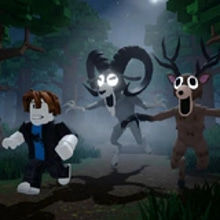
3D 99 Nights in the forest starts with one of the oldest horror promises in gaming: you are somewhere you absolutely should not be, the way out is unclear, and the environment already feels like it knows more about you than you know about it. A forest can be beautiful in daylight, sure. Quiet, even comforting. But this game is not interested in the gentle version of the woods. It gives you a place where every night changes the mood, every level hides what you need to progress, and every step feels like it might be the one that wakes something up.
That is what makes the game click so fast. It does not overwhelm you with a giant rulebook. The objective is simple enough to understand immediately: move through each area, find all the hidden items, clear the level, and keep going until you unlock everything the forest has been hiding. But the atmosphere changes that simple task into something much more tense. Searching is never just searching. It becomes survival with a puzzle heartbeat. You are not casually collecting things. You are moving through hostile nights trying to finish the job before the place decides it is tired of your presence.
On Kiz10, 3D 99 Nights in the forest stands out because it mixes exploration, item hunting, survival tension, and unlockable rewards into one loop that keeps getting harder the more comfortable you think you are becoming.
𝗧𝗵𝗲 𝗿𝗲𝗮𝗹 𝗰𝗵𝗮𝗹𝗹𝗲𝗻𝗴𝗲 𝗶𝘀 𝗻𝗼𝘁 𝗼𝗻𝗹𝘆 𝗳𝗶𝗻𝗱𝗶𝗻𝗴 𝘁𝗵𝗶𝗻𝗴𝘀, 𝗶𝘁 𝗶𝘀 𝗳𝗶𝗻𝗱𝗶𝗻𝗴 𝘁𝗵𝗲𝗺 𝘄𝗵𝗶𝗹𝗲 𝗸𝗲𝗲𝗽𝗶𝗻𝗴 𝘆𝗼𝘂𝗿 𝗻𝗲𝗿𝘃𝗲𝘀 𝘁𝗼𝗴𝗲𝘁𝗵𝗲𝗿 🔦
A lot of collection-based games rely on comfort. This one relies on discomfort. That changes everything. The hidden items are your goal, but they are scattered through environments that feel increasingly unsafe, which means every search has tension built into it. You are always looking, scanning corners, checking paths, trying to remember what you may have missed, but at the same time your brain is also tracking the atmosphere. Is that area safe? Did I already search that side? Why does this part of the forest suddenly feel wrong? Good questions. The game enjoys leaving them hanging.
That blend of scavenger-hunt logic and low-key horror works surprisingly well. It gives the levels purpose beyond simply surviving until dawn. You have something concrete to do, which is important, because a good horror game becomes much stronger when fear is attached to action. You are not hiding for no reason. You are searching because you must. That necessity pushes you into risk, and risk is where the game gets most of its power.
It also means that victory feels earned in a specific way. Clearing a level is not just a time investment. It feels like a small act of control over a place that does not want to be controlled.
𝗘𝘃𝗲𝗿𝘆 𝗻𝗶𝗴𝗵𝘁 𝗰𝗵𝗮𝗻𝗴𝗲𝘀 𝘁𝗵𝗲 𝘁𝗲𝗺𝗽𝗲𝗿𝗮𝘁𝘂𝗿𝗲 𝗼𝗳 𝘁𝗵𝗲 𝗴𝗮𝗺𝗲 🌙
One of the smartest parts of 3D 99 Nights in the forest is how it uses the nights themselves as a form of progression. The challenge is not static. You are not repeating the exact same emotional beat over and over again. Each new night feels like another layer of trouble, another slight twist in the pressure, another reminder that the forest is not done with you yet. That structure makes the game feel less like a single environment and more like an evolving trial.
This matters a lot for long-form survival games. If the mood stays flat, the experience starts to lose bite. Here, the promise of new trials keeps the tension alive. The nights feel like milestones, but also warnings. You made it this far. Fine. Now deal with what comes next. That makes progress exciting, not just relieving.
There is also something psychologically effective about the number in the title. Ninety-nine nights is not a tiny challenge. It sounds exhausting before you even begin, and that adds weight to everything. The game turns survival into endurance. It is not asking whether you can handle one bad moment. It is asking how long you can stay focused while the forest keeps changing its mind about you.
𝗧𝗵𝗲 𝗳𝗼𝗿𝗲𝘀𝘁 𝗶𝘀 𝘁𝗵𝗲 𝘀𝘁𝗮𝗿, 𝗮𝗻𝗱 𝗶𝘁 𝗶𝘀 𝗻𝗼𝘁 𝗮 𝗸𝗶𝗻𝗱 𝗼𝗻𝗲 🍃
Environment matters a lot in horror games, and this one leans heavily on the forest itself as both setting and enemy. Trees, darkness, scattered paths, strange spaces that feel familiar for a second and then not at all, all of it contributes to a mood where navigation never feels completely safe. Even when nothing dramatic is happening, the game still keeps you slightly uneasy. That is valuable. A forest horror game should make you suspicious of space itself, and this one understands that.
Because the levels revolve around searching for hidden objects, the map design becomes even more important. You have to pay attention. The game keeps pulling your eyes in different directions. A shadowy corner might contain something useful. Or it might just contain enough bad energy to make you hesitate. That hesitation is part of the experience. The forest does not need to scream all the time. Sometimes it just needs to stand there and let your imagination do the ugly work.
That is why the atmosphere sticks. The place does not feel like a background. It feels like a participant. The woods are not just where the game happens. They are the reason the game feels the way it does.
𝗚𝗲𝗺𝘀 𝗮𝗻𝗱 𝘀𝗸𝗶𝗻𝘀 𝗴𝗶𝘃𝗲 𝘁𝗵𝗲 𝗵𝗼𝗿𝗿𝗼𝗿 𝗹𝗼𝗼𝗽 𝗮 𝗻𝗶𝗰𝗲 𝗹𝗶𝘁𝘁𝗹𝗲 𝗿𝗲𝘄𝗮𝗿𝗱 𝗵𝗼𝗼𝗸 💎
A survival game becomes much easier to replay when progress feeds into something visible, and 3D 99 Nights in the forest handles that nicely with gems and unlockable monster outfits. That system gives the tension a useful aftertaste. You are not only surviving because survival itself is thrilling. You are also collecting, progressing, and opening cosmetic rewards that make the journey feel a little more personal.
This is a smart move because it softens repetition without weakening the atmosphere. Every successful level gives you more than relief. It gives you momentum. Gems become proof that the night was worth it. Skins become little trophies for persistence. That kind of reward loop is perfect for a game where players are expected to come back, improve, and push deeper into the challenge.
It also adds a fun contrast to the dark setting. The forest may be oppressive, but the progression system still gives you something playful to chase. That balance helps the game stay engaging over time.
𝗦𝗶𝗺𝗽𝗹𝗲 𝗰𝗼𝗻𝘁𝗿𝗼𝗹𝘀 𝗸𝗲𝗲𝗽 𝘁𝗵𝗲 𝗳𝗼𝗰𝘂𝘀 𝘄𝗵𝗲𝗿𝗲 𝗶𝘁 𝗯𝗲𝗹𝗼𝗻𝗴𝘀 🎮
Another strength is accessibility. Movement with WASD on PC or touchscreen buttons on mobile keeps the game easy to enter. That matters because the real challenge should come from awareness, level search, and nerves, not from wrestling with controls. The simplicity helps the horror land more cleanly. You move, you search, you react. That is enough.
Because of that, the game works well in both short sessions and longer ones. You can tackle a level, grab some gems, maybe unlock progress, and step away. Or stay longer because the next night is waiting and the forest has already done a good job of making you curious about what else is hiding in it.
𝗪𝗵𝘆 𝟯𝗗 𝟵𝟵 𝗡𝗶𝗴𝗵𝘁𝘀 𝗶𝗻 𝘁𝗵𝗲 𝗳𝗼𝗿𝗲𝘀𝘁 𝗳𝗶𝘁𝘀 𝗞𝗶𝘇𝟭𝟬 𝘀𝗼 𝘄𝗲𝗹𝗹 😱
This is a strong fit for players who enjoy survival horror, hidden-object exploration, eerie forests, level-based progression, and collectible rewards. On kiz10.com, it works because it combines a very approachable goal with a steadily unsettling atmosphere. The game does not need a dozen mechanics to stay interesting. It only needs darkness, pressure, items to find, and just enough fear to keep every level feeling uncertain.
If you like horror games where exploration matters, where each level asks you to stay observant, and where the environment feels like it is actively trying to wear you down, 3D 99 Nights in the forest has a lot of appeal. It is tense, simple to understand, and hard to shake once the rhythm of searching and surviving gets into your head. The woods are waiting. Again.





 Share
Share
 Embed
Embed