🪞 𝗬𝗢𝗨 𝗗𝗢 𝗡𝗢𝗧 𝗪𝗔𝗞𝗘 𝗨𝗣 𝗛𝗘𝗥𝗘. 𝗬𝗢𝗨 𝗔𝗥𝗘 𝗗𝗥𝗢𝗣𝗣𝗘𝗗 𝗜𝗡𝗧𝗢 𝗜𝗧.
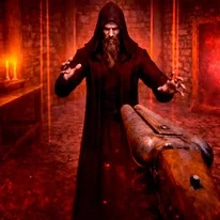
The Warlock’s Prisoner wastes no time pretending this will be a pleasant little adventure. You open your eyes inside a cursed stronghold, and the place already feels like it wants to keep you. The corridors are too tight, the light is too weak, the walls look like they have seen things nobody should ever have to explain, and somewhere deeper in the dark there are creatures that are absolutely not interested in letting you leave. Good. That is exactly the mood this game wants.
This is a horror escape adventure built around tension, puzzle solving, scavenging, and the constant awareness that you are not the hunter here. You are the intruder, the prey, the unlucky soul trying to understand a prison designed by a mind that clearly enjoyed making people suffer in complicated ways. That gives the game its flavor. It is not only about surviving zombies or finding keys. It is about decoding a place that feels cursed on purpose.
On Kiz10, The Warlock’s Prisoner stands out because it mixes dark fantasy horror with escape room logic. One minute you are searching for an object that might open a path. The next you are listening for danger, conserving resources, and wondering whether the strange note you found is a clue, a warning, or both.
🕯️ 𝗧𝗛𝗘 𝗙𝗢𝗥𝗧𝗥𝗘𝗦𝗦 𝗜𝗦 𝗧𝗛𝗘 𝗥𝗘𝗔𝗟 𝗠𝗢𝗡𝗦𝗧𝗘𝗥
One of the strongest things about The Warlock’s Prisoner is the setting itself. The dungeon is not just a background for the horror. It is the horror. Every corridor feels narrow in the wrong way. Every chamber suggests there is something important hidden inside, but also something terrible waiting to make the search expensive. The fortress has that oppressive energy good horror games need, where silence feels suspicious and even an empty room seems like it is withholding information just to be cruel.
That atmosphere matters because the game relies heavily on exploration. You have to move through these spaces carefully, study the environment, and notice details that might not look important the first time. In a brighter, friendlier game, that kind of slow observation might feel calm. Here, it feels dangerous. You are investigating while your nerves keep telling you to move faster and get out. The game lives in that tension.
And the sound design helps that mood immensely. Whispers, ambient noise, and the general sense that something is always near make the dungeon feel alive in a very unhealthy way. This is not the sort of horror game where jump scares do all the work. The place itself keeps the pressure on.
🧩 𝗣𝗨𝗭𝗭𝗟𝗘𝗦 𝗔𝗥𝗘 𝗡𝗢𝗧 𝗔 𝗕𝗥𝗘𝗔𝗞 𝗙𝗥𝗢𝗠 𝗧𝗛𝗘 𝗗𝗔𝗡𝗚𝗘𝗥. 𝗧𝗛𝗘𝗬 𝗔𝗥𝗘 𝗣𝗔𝗥𝗧 𝗢𝗙 𝗜𝗧.
The Warlock’s Prisoner does something smart with its riddles. They are not just random locks placed in front of you to slow progress down. They feel embedded in the fortress itself, like the warlock built this whole place as one giant insult to anyone who might try to escape. That makes the puzzles feel more natural inside the world. You are not switching from “horror mode” to “puzzle mode.” You are surviving a prison that happens to communicate through symbols, notes, mechanisms, and nasty little tricks.
That structure works especially well because the game does not hold your hand too much. It expects you to pay attention. Notes matter. Visual clues matter. Strange objects matter. Things that look useless at first often become important later, and sometimes the answer is sitting in front of you long before you recognize it. That is a very satisfying kind of puzzle design. It rewards patience, but it also rewards memory.
Some horror games use puzzles like filler between chase scenes. Here, the puzzles are part of the identity. They make the escape feel earned. Solving them is not a side activity. It is survival.
🪞 𝗧𝗛𝗘 𝗠𝗬𝗦𝗧𝗜𝗖 𝗠𝗜𝗥𝗥𝗢𝗥 𝗖𝗛𝗔𝗡𝗚𝗘𝗦 𝗘𝗩𝗘𝗥𝗬𝗧𝗛𝗜𝗡𝗚
One of the most memorable ideas in The Warlock’s Prisoner is the Mystic Mirror. It is not just a gimmick. It is the mechanic that gives the game its most interesting layer. With it, you can reveal things hidden from normal sight, uncover secret routes, and notice truths the fortress would prefer to keep buried. That instantly makes exploration more interesting, because every wall, room, or dead end becomes a question. Is this really all there is? Or is the real path waiting somewhere on the other side of what you can currently see?
That spiritual-plane angle gives the horror a different taste too. Hidden paths are useful, yes, but they are also unsettling. There is something deeply uncomfortable about realizing the world contains another version of itself just beyond your normal perception. The mirror turns the dungeon into a place with two faces, and that makes every discovery feel more eerie.
It also adds a great rhythm to the puzzle solving. You search in the ordinary world, then look again through the mystical layer and realize the room was never as simple as it seemed. That back-and-forth gives the game a strong personality. It is not just about finding keys. It is about learning how reality inside this prison actually works.
🧟 𝗧𝗛𝗘 𝗭𝗢𝗠𝗕𝗜𝗘𝗦 𝗔𝗥𝗘 𝗔 𝗣𝗥𝗢𝗕𝗟𝗘𝗠, 𝗕𝗨𝗧 𝗡𝗢𝗧 𝗔𝗟𝗪𝗔𝗬𝗦 𝗧𝗛𝗘 𝗕𝗜𝗚𝗚𝗘𝗦𝗧 𝗢𝗡𝗘
The undead threats in The Warlock’s Prisoner do more than provide danger. They shape how you move, when you fight, and what kind of player you become over time. The game makes it clear that you should not waste energy and supplies on every little problem. That changes the combat from mindless action into survival strategy. Every attack matters. Every encounter forces a choice. Is this worth the cost? Can you get around it? Should you save what you have for something worse deeper ahead?
That resource pressure works well because it makes the dungeon feel like a hostile ecosystem rather than a sequence of enemy rooms. You are not cleaning the map. You are enduring it. Sometimes survival means fighting. Sometimes it means restraint. Sometimes it means backing away from a bad idea and pretending that was always the plan.
This also keeps the fear alive. When combat is too easy, horror dies quickly. Here, danger stays meaningful because the player is never invited to feel fully powerful. Your mind remains the main weapon. Everything else is temporary.
📜 𝗧𝗛𝗘 𝗟𝗢𝗥𝗘 𝗜𝗦 𝗡𝗢𝗧 𝗦𝗛𝗢𝗨𝗧𝗘𝗗 𝗔𝗧 𝗬𝗢𝗨. 𝗜𝗧 𝗜𝗦 𝗟𝗘𝗙𝗧 𝗜𝗡 𝗧𝗛𝗘 𝗗𝗔𝗥𝗞.
Another nice strength here is the way the game reveals its story. The warlock’s history is not dropped on you through long speeches or obvious exposition. You piece it together through notes, strange objects, visual clues, and the overall design of the fortress. That slow discovery fits the tone beautifully. The place feels ancient, secretive, and hostile, so learning about it should feel like uncovering something forbidden rather than receiving a formal explanation.
That approach makes the world more interesting because it lets players connect the dots themselves. Every clue adds a little more shape to the prison and to the mind that made it. You begin to understand that this place was never just a dungeon. It was a machine of fear, ritual, and control. That realization gives the escape more weight.
⚰️ 𝗪𝗛𝗬 𝗧𝗛𝗘 𝗪𝗔𝗥𝗟𝗢𝗖𝗞’𝗦 𝗣𝗥𝗜𝗦𝗢𝗡𝗘𝗥 𝗪𝗢𝗥𝗞𝗦
The Warlock’s Prisoner succeeds because it combines several kinds of tension without letting any of them dominate too much. The horror is real, but so is the puzzle solving. The combat matters, but resources keep it from becoming reckless. The fortress feels oppressive, but the hidden mechanics make exploration rewarding. The result is a dark adventure game that constantly asks the player to think, observe, and stay calm in a place clearly designed to break both.
If you enjoy horror escape games, dark fantasy dungeons, clue-heavy exploration, and survival mechanics that make every item matter, this is a strong pick on Kiz10. It is grim, atmospheric, and full of the kind of slow-burn dread that makes every unlocked door feel like progress and every new corridor feel like a threat.
Walk carefully. Read everything. Trust the mirror more than the walls. And if the dungeon starts feeling almost understandable, that is probably when it is most dangerous. 🪞🧟





 Share
Share
 Embed
Embed