𝗘𝗦𝗖𝗔𝗣𝗘 𝗙𝗥𝗢𝗠 𝗗𝗔𝗥𝗞𝗡𝗘𝗦𝗦 🕯️🌑
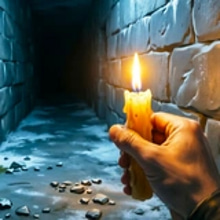
Escape from Darkness begins with one of the oldest and most effective horror promises in gaming: you are trapped somewhere ancient, somewhere wrong, and the only thing standing between you and absolute blackness is a tiny flame. Not a gun. Not a full backpack of tools. Not some overpowered magic artifact that solves everything for free. Just a candle. Small, fragile, warm, and suddenly more important than almost anything else in the world.
That simple setup gives the game its whole identity. This is not a noisy action adventure trying to distract you with explosions or constant combat. It is a first-person horror escape game built around fear, atmosphere, and the slow, nervous process of reclaiming space from the dark. Every corridor feels uncertain. Every room feels like it might be hiding a clue, a dead end, or something far less friendly. And because the darkness is not just visual mood but part of the gameplay itself, every step feels heavier than normal.
On Kiz10, that makes Escape from Darkness feel instantly immersive. You do not just move through a dungeon. You push back against it. One candle at a time.
𝗬𝗢𝗨𝗥 𝗖𝗔𝗡𝗗𝗟𝗘 𝗜𝗦 𝗡𝗢𝗧 𝗔 𝗗𝗘𝗧𝗔𝗜𝗟, 𝗜𝗧 𝗜𝗦 𝗧𝗛𝗘 𝗚𝗔𝗠𝗘 🕯️🔥
The smartest thing about Escape from Darkness is how central the candle mechanic feels. Light is not a cosmetic effect here. It is function, safety, progress, and emotional comfort all packed into one tiny flicker. In many horror games, the darkness is there to make things spooky. Here, darkness is also a barrier. You are not just scared of it. You actively work against it.
That changes the mood of exploration in a really satisfying way. Relighting candles is not some side activity you do occasionally. It is the engine of the whole journey. Every new candle becomes a small victory. A reclaimed pocket of the dungeon. A sign that you are not completely helpless. The game turns light into progress so elegantly that each flame feels important in a way bigger tools often do not.
And there is something deeply comforting about seeing a new area brighten after stumbling through gloom. For a second, the dungeon feels less impossible. Less hostile. Then you move forward and realize there is still more darkness waiting, which is exactly how the game keeps its tension alive.
𝗧𝗛𝗘 𝗗𝗨𝗡𝗚𝗘𝗢𝗡 𝗙𝗘𝗘𝗟𝗦 𝗟𝗜𝗞𝗘 𝗜𝗧 𝗜𝗦 𝗔𝗟𝗜𝗩𝗘 🧱👁️
A good dungeon in a horror game is never just a collection of rooms. It has to feel like a presence. Escape from Darkness gets that. The ancient lair is not merely a backdrop for puzzles. It feels oppressive, secretive, and full of old energy that does not want you there. The thick darkness, the barred exits, the strange whispers in the background… all of it combines into a setting that feels less like architecture and more like a living mood.
That is one of the reasons the game works so well in first person. You are not watching a character wander through danger from a comfortable distance. You are inside the corridors. Looking directly into rooms that may or may not contain the way forward. Turning corners with just enough hesitation to make every small sound feel suspicious. First-person horror lives or dies on atmosphere, and this game clearly understands that intimacy matters.
The result is a world that feels close. Too close, really. The walls matter. The lighting shifts matter. Even silence matters. The dungeon never seems fully passive. It feels like it is waiting for you to make a mistake, which is exactly the kind of emotional pressure horror exploration should create.
𝗟𝗜𝗚𝗛𝗧𝗜𝗡𝗚 𝗖𝗔𝗡𝗗𝗟𝗘𝗦 𝗧𝗨𝗥𝗡𝗦 𝗘𝗫𝗣𝗟𝗢𝗥𝗔𝗧𝗜𝗢𝗡 𝗜𝗡𝗧𝗢 𝗣𝗥𝗢𝗚𝗥𝗘𝗦𝗦 ✨🚪
A lot of exploration games let players wander through rooms until they eventually find the correct object or the correct door. Escape from Darkness adds a much stronger sense of purpose by tying exploration directly to light. Each candle you relight opens the world a little more. It reveals more space, unlocks fresh paths, and gradually pushes the chapter forward. That means exploring never feels random. There is always a specific sense of advancement behind what you are doing.
This is great design for a horror game because it transforms wandering into mission-driven tension. You are not just checking rooms because maybe something is there. You are checking them because the next candle might be your way out, your next clue, or the key to opening something that looked impossible a minute ago. Every lit candle feels like a step away from helplessness.
That also gives the game a nice emotional rhythm. Darkness creates fear. Light creates relief. Relief gives you enough courage to keep moving. Then the darkness returns, and the cycle starts again. It is simple, but very effective.
𝗣𝗨𝗭𝗭𝗟𝗘𝗦 𝗞𝗘𝗘𝗣 𝗬𝗢𝗨 𝗧𝗛𝗜𝗡𝗞𝗜𝗡𝗚 𝗪𝗛𝗜𝗟𝗘 𝗧𝗛𝗘 𝗗𝗨𝗡𝗚𝗘𝗢𝗡 𝗧𝗥𝗜𝗘𝗦 𝗧𝗢 𝗨𝗡𝗦𝗘𝗧𝗧𝗟𝗘 𝗬𝗢𝗨 🧩😵
Escape from Darkness does not rely only on atmosphere. It also gives players small puzzles and room-based challenges that break up the movement in a smart way. That matters because horror becomes stronger when the player is not just running. Thinking under pressure is always more interesting. You are not only scared. You are engaged.
The puzzles are described as straightforward, which is actually a strong choice here. A game built around darkness, exploration, and tension does not need giant brain-melting logic walls interrupting the mood. What it needs is enough interaction to make each room feel meaningful. Enough little challenges to turn the dungeon into something you decode instead of merely survive. That is exactly the right balance for a game like this.
So each room becomes a question. Where is the next exit? What candle needs attention? What clue is hidden here? What small obstacle is preventing progress? Those questions keep your mind active even while the sound design and lighting are trying very hard to make you nervous.
𝗙𝗜𝗥𝗦𝗧-𝗣𝗘𝗥𝗦𝗢𝗡 𝗠𝗔𝗞𝗘𝗦 𝗘𝗩𝗘𝗥𝗬𝗧𝗛𝗜𝗡𝗚 𝗙𝗘𝗘𝗟 𝗠𝗢𝗥𝗘 𝗥𝗘𝗔𝗟 🎮🌫️
There is a reason first-person horror still works so well when used properly. It collapses distance. It removes comfort. It forces every little interaction to happen close to your face, inside your space. Escape from Darkness clearly benefits from that perspective. Lighting a candle in first person feels more intimate than watching it happen from above or from a detached side view. Looking into a dark corridor feels more personal. Hearing an eerie sound behind you feels more intrusive.
That immersion makes the game’s simple mechanics stronger. Walking, running, jumping, turning to inspect a room, clicking to light a candle… none of these things are complicated, but in first person they become more immediate. You feel present inside the system rather than observing it from a safe distance.
This also helps the dungeon’s scale and darkness land more effectively. A small room can feel tense if you cannot fully trust what is hiding in it. A hallway can feel long when you are the one stepping into it. Escape from Darkness uses that intimacy very well.
𝗦𝗛𝗢𝗥𝗧 𝗕𝗨𝗥𝗦𝗧𝗦 𝗢𝗙 𝗖𝗢𝗨𝗥𝗔𝗚𝗘, 𝗧𝗛𝗘𝗡 𝗕𝗔𝗖𝗞 𝗧𝗢 𝗧𝗛𝗘 𝗚𝗟𝗢𝗢𝗠 🏃♂️🕯️
The movement system is straightforward, which is exactly what this type of game needs. WASD to move, Shift to run, Space to jump, the mouse to look around, and a click to light candles. Clean, readable, direct. The controls are not trying to become part of the challenge. The dungeon is already handling that job just fine.
That clarity makes the tension feel more honest. If you get lost, spooked, or delayed, it feels like the environment outplayed you, not like the controls betrayed you. Good horror design often depends on that distinction. The danger should come from the world, the mood, and your decisions, not from awkward input.
The ability to run is also a small but important detail. In games like this, sprinting always carries emotional weight. It is not just faster movement. It is panic movement. Urgency. The moment when your calm exploratory pace suddenly breaks because something about the room no longer feels right.
𝗦𝗘𝗖𝗥𝗘𝗧 𝗖𝗔𝗡𝗗𝗟𝗘𝗦 𝗔𝗗𝗗 𝗔 𝗡𝗜𝗖𝗘 𝗖𝗢𝗠𝗣𝗟𝗘𝗧𝗜𝗢𝗡𝗜𝗦𝗧 𝗣𝗨𝗟𝗦𝗘 🔍🕯️
A very nice touch is the presence of secret candles for full completion. That kind of collectible system fits the game perfectly because it does not feel artificially attached. It naturally extends the light mechanic. If candles are already your way of surviving and progressing, hidden ones become meaningful rewards rather than random extras.
This gives stronger players another reason to slow down and inspect the world more carefully. It rewards attention, patience, and curiosity. In a horror dungeon, that is a great dynamic, because it creates a tension between caution and completion. Do you move forward and stay efficient, or do you search every corner for that final hidden flame? The game quietly encourages both instincts, and that makes the exploration feel richer.
It also adds replay value. A first run may be about survival and finding the exit. Later runs can become more deliberate, more thorough, more obsessed with total completion. That is always a good sign in an exploration-heavy horror game.
𝗪𝗛𝗬 𝗘𝗦𝗖𝗔𝗣𝗘 𝗙𝗥𝗢𝗠 𝗗𝗔𝗥𝗞𝗡𝗘𝗦𝗦 𝗪𝗢𝗥𝗞𝗦 𝗦𝗢 𝗪𝗘𝗟𝗟 𝗢𝗡 𝗞𝗜𝗭𝟭𝟬 🌑🏆
Escape from Darkness succeeds because it commits fully to one strong idea: darkness is not just atmosphere, it is the enemy. By building the whole experience around candles, visibility, chapter progression, and first-person dungeon exploration, the game creates a cohesive horror loop that feels clean and memorable. Nothing important feels wasted. The sound design supports the mood. The lighting supports the mechanics. The puzzles support the exploration. Everything leans into the same haunted direction.
If you enjoy first-person horror games, dungeon escapes, light-based mechanics, and tense exploration that feels more eerie than loud, this one is a great fit on Kiz10. It is moody, focused, and atmospheric in a way that makes every little flame feel like a meaningful victory.
Escape from Darkness understands a very old horror truth: the dark becomes much scarier when light is something you have to earn.





 Share
Share
 Embed
Embed