𝗔 𝗖𝗨𝗧𝗘 𝗣𝗘𝗧 𝗦𝗛𝗢𝗨𝗟𝗗 𝗡𝗢𝗧 𝗙𝗘𝗘𝗟 𝗧𝗛𝗜𝗦 𝗪𝗥𝗢𝗡𝗚 🐱🟡
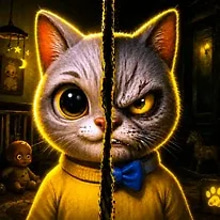
The Cat in Yellow begins with one of those terrible decisions that only seem harmless for the first five minutes. A strange package arrives. Inside is a tiny yellow kitten. It looks innocent enough, soft enough, quiet enough, maybe a little odd, sure, but still manageable. Feed the cat. Watch the cat. Put the cat to bed. Easy. Normal. Absolutely not cursed.
Then the game starts doing what good psychological horror games do best. It lets discomfort grow slowly. Not loud at first. Not theatrical. Just wrong. A little movement where there should be none. A strange reappearance in a room you just left. A feeling that the house is shifting around you, even if the walls technically remain in place. That is the magic of The Cat in Yellow. It takes the ordinary routine of caring for a pet and twists it into something tense, silly, creepy, and weirdly addictive.
This is a horror game, but it is not only about jump scares. It is about suspicion. It is about watching a cute creature and realizing that every second you spend near it makes the room feel less trustworthy. The cat is the center of everything, and that makes the experience much more personal. You are not escaping some generic monster in a random hallway. You are sharing a home with something that refuses to behave like a normal animal, and the game milks that idea beautifully.
𝗖𝗔𝗥𝗘 𝗙𝗢𝗥 𝗧𝗛𝗘 𝗖𝗔𝗧, 𝗗𝗢 𝗡𝗢𝗧 𝗧𝗥𝗨𝗦𝗧 𝗧𝗛𝗘 𝗖𝗔𝗧 🍽️👁️
One of the best things about The Cat in Yellow is how it builds gameplay around ordinary little tasks. You feed the cat, follow routines, check rooms, move through the house, and try to maintain control over what should be a very simple domestic situation. But every normal action carries tension because the cat is never fully predictable. You may leave it in one place and find it somewhere impossible moments later. You may think you understand the pattern, then the game changes its rhythm and reminds you that you do not understand anything at all.
That contrast between care and fear gives the game a very specific identity. It is not just a haunted-house horror game. It is a pet-care nightmare with puzzle elements, exploration, and a constant sense that you are one strange sound away from a bad surprise. The routine becomes the trap. That is clever. Feeding a cat should not feel like entering a ritual, yet somehow this game makes it feel exactly like that.
It also helps that the cat itself is memorable. The design is simple, but the behavior is the real hook. It reacts unexpectedly, shifts its appearance over time, and keeps making you question whether you are witnessing something supernatural, absurd, or both. Sometimes the game feels genuinely eerie. Sometimes it feels darkly funny. Sometimes it feels like both moods tripped over each other in the hallway and decided to become roommates. 😼
𝗧𝗛𝗘 𝗛𝗢𝗨𝗦𝗘 𝗜𝗦 𝗙𝗨𝗟𝗟 𝗢𝗙 𝗦𝗘𝗖𝗥𝗘𝗧𝗦 🚪🗝️
Exploration is a huge part of the experience. The house may look ordinary at first, but it quickly becomes clear that every room matters. You are not wandering around aimlessly. You are observing details, checking what changed, looking for items, unlocking doors, and slowly pushing deeper into the mystery. That structure keeps the game engaging because the fear is always tied to action. You are not just standing there being scared. You are doing something, and the game keeps rewarding curiosity.
Keys, locked spaces, hidden clues, and environmental changes all help drive the story forward. The Cat in Yellow understands that horror becomes stronger when the player has a reason to move. You need answers, and answers are always behind one more door, one more task, one more suspicious room where the silence suddenly feels too heavy. The house becomes a puzzle box, but a nasty one. A smug little puzzle box that probably knows you are nervous.
This also creates a satisfying sense of progression. The mystery does not sit still. As you explore, the game reveals more of the cat’s nature and more of the house’s unsettling logic. Small discoveries stack into bigger questions. Why is the cat changing? Why does it keep appearing where it should not be? What exactly is hidden in this place, and why does every hallway feel like it is quietly waiting for your mistake?
𝗛𝗢𝗥𝗥𝗢𝗥 𝗪𝗜𝗧𝗛 𝗔 𝗪𝗘𝗜𝗥𝗗 𝗟𝗜𝗧𝗧𝗟𝗘 𝗚𝗥𝗜𝗡 😈🏠
The tone is one of the game’s strongest weapons. The Cat in Yellow is creepy, yes, but it also has a streak of black humor running through it. That matters. The strangest horror games often stick in your head because they let absurdity sit right next to fear. A cat in a yellow outfit should be funny. In this game, it is funny until it is deeply not funny, and then somehow it becomes funny again in a more cursed way.
That unstable tone keeps you alert. You never know whether the next moment will be a scare, a clue, a bizarre visual surprise, or a task that feels harmless until it suddenly is not. The game has a nice sense of escalation too. It does not show everything immediately. It lets the creepiness build. The cat changes. The atmosphere thickens. The house becomes more hostile. Your confidence evaporates like a bad promise.
And because the gameplay is interactive rather than purely cinematic, every strange event lands harder. You are part of the scene. You opened the door. You walked down that hall. You thought the kitten was asleep. That personal involvement gives the game real tension, especially when the environment begins to respond to the cat’s behavior in increasingly disturbing ways.
𝗦𝗨𝗥𝗩𝗜𝗩𝗘 𝗧𝗛𝗘 𝗡𝗜𝗚𝗛𝗧 𝗔𝗡𝗗 𝗪𝗔𝗧𝗖𝗛 𝗘𝗩𝗘𝗥𝗬 𝗦𝗛𝗔𝗗𝗢𝗪 🌙🔍
The Cat in Yellow works especially well for players who enjoy first-person horror games, mystery exploration games, creepy puzzle adventures, and browser games that mix atmosphere with clear objectives. It does not rely on mindless action. Instead, it builds fear through observation, small interactions, and the growing realization that the rules of the house are changing around you.
That makes every little success feel earned. Finding the right key, understanding a clue, noticing where the cat moved, opening a new room, surviving one more strange encounter. These are not huge heroic victories, but they feel satisfying because the game makes you work for them. You pay attention or you fall behind. You notice patterns or the house starts feeling even crueler.
On kiz10.com, The Cat in Yellow stands out because it turns a simple setup into something far stranger than expected. It gives you a creepy pet, a mystery-filled house, and a constant sense that the next room might answer one question while creating three worse ones. If you like horror games with tension, odd humor, interactive tasks, and a monster that pretends to be adorable until the mask slips, this one is a great choice.
Play The Cat in Yellow on Kiz10 if you want a horror game where every chore feels suspicious, every locked door matters, and every quiet moment with your new little companion feels like the beginning of a very bad idea. Feed the cat, follow the clues, keep your nerve, and try not to look away when the yellow eyes start watching back.





 2.5 (166 votes)
 Share
Share
 Embed
Embed