𝗬𝗘𝗟𝗟𝗢𝗪 💡 𝗪𝗔𝗟𝗟𝗦, 𝗕𝗔𝗗 𝗟𝗨𝗖𝗞, 𝗔𝗡𝗗 𝗔 𝗩𝗘𝗥𝗬 𝗔𝗡𝗚𝗥𝗬 𝗠𝗔𝗡 𝗪𝗜𝗧𝗛 𝗚𝗨𝗡𝗦
Backrooms Butcher does not treat the Backrooms like a quiet mystery. It treats them like a trap with teeth. The second you step into that endless maze of yellow walls, damp carpet, flickering lights, and stale silence, the game starts pressing on your nerves. Then it adds the real problem. Something is hunting you. Not some slow, shambling creature politely waiting at the end of a corridor. Not a monster that only becomes dangerous when the music tells you to panic. No, this one comes armed, aggressive, and loud enough to turn every corner into a potential last mistake.
That twist gives Backrooms Butcher its own nasty identity. This is a horror shooter with survival instincts, but it also carries the nervous energy of a maze game where every hallway might be lying to you. You are not just wandering through liminal space looking for an exit and admiring the creepy wallpaper. You are calculating routes, protecting your supplies, listening for footsteps, and trying to avoid being erased from existence by a butcher who thinks grenades are an acceptable conversation starter.
On Kiz10, that combination feels sharp. The game takes the familiar Backrooms atmosphere and injects it with active, tactical danger. The result is less “creepy walking simulator” and more “get your head together right now or die in a carpeted hallway.”
𝗦𝗨𝗥𝗩𝗜𝗩𝗔𝗟 🔫 𝗠𝗘𝗔𝗡𝗦 𝗠𝗢𝗥𝗘 𝗧𝗛𝗔𝗡 𝗝𝗨𝗦𝗧 𝗦𝗛𝗢𝗢𝗧𝗜𝗡𝗚 𝗕𝗔𝗖𝗞
What makes Backrooms Butcher work is the tension between movement and defense. You have to keep exploring because standing still solves nothing. The Backrooms are a labyrinth, and your only hope depends on reading the space, remembering turns, and finding ways forward before the enemy closes the gap. But exploring carelessly is suicide. Every corridor is a line of exposure. Every open room is a risk. Every loud gunfight could buy you a few seconds or ruin your entire run.
That balance is where the survival side starts to shine. Ammunition matters. Medical supplies matter. Positioning matters a lot more than most people expect. The game pushes you into a mindset where reckless aggression is tempting but rarely smart. You are not some unstoppable action hero kicking down doors and winning on attitude alone. You are surviving through control, timing, and whatever remains of your nerves after hearing metallic footsteps in the next room.
And yes, those footsteps matter. Sound becomes part of the map. In a normal maze, walls are just walls. Here, the noise behind them can tell you whether to move, wait, flank, or quietly question every life decision that brought you into this yellow nightmare in the first place 😅
𝗧𝗛𝗘 🧠 𝗕𝗨𝗧𝗖𝗛𝗘𝗥 𝗜𝗦 𝗡𝗢𝗧 𝗔 𝗗𝗨𝗠𝗕 𝗠𝗢𝗡𝗦𝗧𝗘𝗥
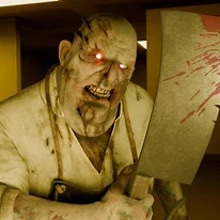
A big reason the game feels so intense is the enemy design. The butcher is not just scary because of appearance or sound. He is dangerous because he acts like an active threat, not a passive horror prop. He patrols, searches, pressures, and attacks in ways that force you to respond. That makes the game feel more personal. You are not only escaping a hostile place. You are being hunted by something that wants to break your rhythm and punish hesitation.
That changes the emotional texture of every encounter. You cannot relax just because a hallway seems empty. You cannot assume distance equals safety. If the butcher is nearby, the mood shifts instantly. Suddenly the geometry of the room matters. Corners matter. Open angles matter. Whether you have enough ammunition for a desperate exchange matters very much. The game becomes a battle of line-of-sight, reaction speed, and quick tactical judgment.
This is where Backrooms Butcher steps beyond basic horror atmosphere and into active survival pressure. The enemy’s firepower turns every confrontation into a real event. Gunfire and explosives in a Backrooms setting feel wrong in exactly the right way. It makes the environment feel less like a haunted puzzle and more like a war zone built out of office wallpaper and bad fluorescent lighting. Strange? Absolutely. Effective? Very.
𝗖𝗢𝗥𝗡𝗘𝗥𝗦 🧱 𝗔𝗥𝗘 𝗬𝗢𝗨𝗥 𝗙𝗥𝗜𝗘𝗡𝗗𝗦 𝗨𝗡𝗧𝗜𝗟 𝗧𝗛𝗘𝗬 𝗔𝗥𝗘 𝗡𝗢𝗧
The maze design does a lot of heavy lifting here. Backrooms Butcher understands that a simple corridor can be terrifying when the player knows what might turn into view at any second. Long lines of sight create suspense. Tight turns create uncertainty. Repetitive rooms make orientation harder. That is exactly what the Backrooms should do, and the game leans into it beautifully.
At the same time, the layout is not only for atmosphere. It becomes part of combat. Corners can block incoming fire. Narrow angles can buy you time. A smart retreat through the right section of the maze can help you break pursuit, reload, heal, or set up a better position. This gives the survival gameplay a tactical edge that makes every room more meaningful. You are not just passing through the environment. You are using it.
That feels great when it clicks. You hear the enemy, judge the space, duck behind a corner, wait for the opening, then move at exactly the right moment. Those tiny survival decisions create the game’s best stories. The desperate escape. The close-range shootout. The last-second turn into a safer corridor. The miracle heal behind a wall while everything around you sounds extremely unhappy. Backrooms Butcher is full of those little moments where panic and planning collide.
𝗟𝗜𝗠𝗜𝗧𝗘𝗗 🩹 𝗦𝗨𝗣𝗣𝗟𝗜𝗘𝗦 𝗠𝗔𝗞𝗘 𝗘𝗩𝗘𝗥𝗬 𝗖𝗛𝗢𝗜𝗖𝗘 𝗛𝗨𝗥𝗧
The resource management side is another reason the game stays tense. Limited ammo, healing items, and navigation tools mean you are always operating under pressure. Even when the enemy is not directly in front of you, the possibility of future danger shapes your decisions. Should you spend bullets now, or conserve them? Should you heal immediately, or gamble on surviving a little longer? Should you push deeper into the maze, or slow down and regain your bearings?
Those decisions matter because the game never fully lets you feel comfortable. Comfort would kill the mood anyway. Backrooms Butcher works because it keeps you uncertain. Not lost in a boring sense, but unstable in a way that turns progress into a real accomplishment. Reaching a new part of the maze feels earned. Winning an encounter feels expensive. Even simple movement can feel dramatic when your inventory is thin and your enemy sounds like he has decided today is your worst day.
That scarcity also helps the horror land harder. Horror games often lose power when the player becomes too strong. Here, strength always feels temporary. Useful, yes. Reliable, not really. That fragile balance keeps the pressure alive.
𝗪𝗛𝗬 😨 𝗕𝗔𝗖𝗞𝗥𝗢𝗢𝗠𝗦 𝗕𝗨𝗧𝗖𝗛𝗘𝗥 𝗛𝗜𝗧𝗦 𝗢𝗡 𝗞𝗜𝗭10
Backrooms Butcher is a strong fit for Kiz10 because it blends recognizable Backrooms horror with active shooter survival in a way that feels immediate and memorable. It is creepy, fast, and stressful without becoming messy. The controls and objectives are easy to understand, but surviving the actual experience demands real focus. That is a good balance for a browser horror game.
If you enjoy Backrooms games, survival shooters, tense maze exploration, and horror experiences where sound, space, and resource management all matter at once, this one has real bite. It does not rely only on cheap scares or passive atmosphere. It hunts you, corners you, and forces you to think under pressure.
In the end, Backrooms Butcher turns a familiar liminal nightmare into something louder, harsher, and far more aggressive. The yellow halls are endless, the lights hum like they know something awful, and the butcher never feels far enough away. On Kiz10, that makes this horror shooter a nasty little endurance test where every corridor is a question and every answer sounds like gunfire. Good luck. You are going to need it. 🔥





 2.5 (162 votes)
 Share
Share
 Embed
Embed