𝗧𝗛𝗘 𝗙𝗢𝗥𝗘𝗦𝗧 𝗜𝗦 𝗔 𝗕𝗔𝗗 𝗜𝗗𝗘𝗔, 𝗔𝗡𝗗 𝗧𝗛𝗘 𝗔𝗦𝗬𝗟𝗨𝗠 𝗜𝗦 𝗪𝗢𝗥𝗦𝗘 🌲😨
Asylum: Baldi Granny Slender begins with the kind of setup that already feels wrong before the monsters even show up. A forest. An abandoned mental hospital. Rumors about rare Brainrot figurines hidden inside. And of course, instead of doing the sensible thing and leaving immediately, you go in. That is the first wonderful mistake. The second is staying long enough to realize that Baldi, Granny, Slenderman, and other nightmares are not just decorative horror names tossed in for flavor. They are the reason every corridor feels unsafe.
This is exactly the kind of horror survival game that works on Kiz10 because it understands atmosphere through pressure. It does not need long speeches or complicated lore dumps to make you uncomfortable. It gives you a location that already feels cursed, fills it with recognizable threats, and then lets your own nerves do the rest. You search, hide, move through dark spaces, and hope the next sound is not attached to something that wants you caught.
That is where the game starts getting its claws in. Not with pure action. With uncertainty.
𝗘𝗩𝗘𝗥𝗬 𝗥𝗢𝗢𝗠 𝗙𝗘𝗘𝗟𝗦 𝗟𝗜𝗞𝗘 𝗜𝗧 𝗞𝗡𝗢𝗪𝗦 𝗬𝗢𝗨 𝗔𝗥𝗘 𝗡𝗢𝗧 𝗦𝗨𝗣𝗣𝗢𝗦𝗘𝗗 𝗧𝗢 𝗕𝗘 𝗧𝗛𝗘𝗥𝗘 🏥🕯️
What makes Asylum: Baldi Granny Slender appealing is how direct the objective feels. You are there to find the Brainrot figurines and survive the place long enough to get away. Simple. Terrible. Effective. The hospital becomes more than a setting because every room feels like part of the hunt. Beds are not just furniture. They are emergency hiding spots. Hallways are not just connections. They are danger funnels. Doors are not comforting boundaries. They are places where bad things can appear from the wrong side at the worst possible second.
That is the beauty of a game like this. It turns ordinary space into psychological pressure. The asylum is not necessarily doing anything flashy every moment, but it never feels neutral. Even when nothing is directly chasing you, the building itself feels like it is waiting for the next mistake. Good horror games understand that fear grows in silence just as much as in the scream, and this one clearly leans into that idea.
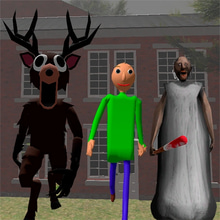
There is also something deliciously messy about mixing characters like Baldi, Granny, and Slender into one asylum nightmare. That combination makes the threat feel unpredictable. You are not dealing with one monster and one pattern forever. You are dealing with a whole collection of wrong answers, each one making the hospital feel more unstable.
𝗛𝗜𝗗𝗜𝗡𝗚 𝗨𝗡𝗗𝗘𝗥 𝗧𝗛𝗘 𝗕𝗘𝗗 𝗦𝗨𝗗𝗗𝗘𝗡𝗟𝗬 𝗕𝗘𝗖𝗢𝗠𝗘𝗦 𝗧𝗛𝗘 𝗠𝗢𝗦𝗧 𝗜𝗠𝗣𝗢𝗥𝗧𝗔𝗡𝗧 𝗟𝗜𝗙𝗘 𝗦𝗞𝗜𝗟𝗟 🛏️👀
One of the strongest mechanics in the game is the ability to hide under beds. It sounds simple, and that is exactly why it works. Horror survival games often become much more intense when they give you a limited but believable way to disappear instead of letting you fight everything directly. Hiding creates a very different kind of fear. It is passive on the outside, but mentally it is chaos. You are waiting, listening, hoping you chose the right second to vanish.
That mechanic gives the game its best little panic moments. You hear something close. You turn. You see movement. Now there is no time for elegant planning. You dive under the bed and pray the monster does not catch you halfway through. Suddenly survival is not about speed alone. It is about judgment. Did you move too late? Too early? Did you hide in a smart place, or trap yourself somewhere that only delays the inevitable?
Those moments are what make the game memorable. Not just the monsters themselves, but the split-second decisions they force out of you. A good hiding mechanic turns every chase into a tiny story, and this one has exactly that energy.
𝗕𝗥𝗔𝗜𝗡𝗥𝗢𝗧 𝗙𝗜𝗚𝗨𝗥𝗜𝗡𝗘𝗦 𝗚𝗜𝗩𝗘 𝗧𝗛𝗘 𝗧𝗘𝗥𝗥𝗢𝗥 𝗔 𝗚𝗢𝗔𝗟 🎯🧠
Searching for the figurines is more important than it might seem at first. Without that goal, the game could risk becoming a loose wandering simulator where you just get chased until your luck runs out. But the collectible hunt gives the fear shape. You are not simply surviving in the asylum for the sake of surviving. You are pushing deeper into danger because there is something there worth finding.
That changes the emotional flow of every room. Exploration becomes necessary, not optional. You cannot just hide forever and call that victory. Eventually, you have to move. Open the next path. Check the next corner. Commit to being vulnerable again. That is what makes the game tense in a more complete way. It combines horror with objective-driven pressure, which is usually the best recipe for browser survival games.
The figurines also fit the game’s weird tone nicely. They add just enough absurdity to keep the world from becoming too plain. This is not polished cinematic horror. It is chaotic, internet-flavored, creature-filled nonsense horror, and that actually suits the mix of Baldi, Granny, Slender, and Brainrot collectibles perfectly.
𝗧𝗛𝗘 𝗙𝗢𝗥𝗘𝗦𝗧 𝗗𝗢𝗘𝗦 𝗡𝗢𝗧 𝗙𝗘𝗘𝗟 𝗦𝗔𝗙𝗘 𝗘𝗜𝗧𝗛𝗘𝗥 🦌🌫️
The game smartly does not limit the danger to the building alone. The forest itself becomes part of the threat, especially with the strange bipedal deer lurking around it. That is a strong choice because it stops the outside from feeling like a neutral reset space. Usually in horror games, buildings are danger and outdoors is relief. Here, relief is in short supply. The world beyond the hospital still feels wrong.
That helps the whole adventure feel larger than a simple corridor escape game. The asylum may be the center of the fear, but the surrounding world participates in the same bad dream. You are not moving between safe and unsafe zones. You are moving between different flavors of unsafe. That keeps the tension high and prevents the atmosphere from flattening out.
It also adds unpredictability. A player expecting only indoor horror has to suddenly rethink how the environment works. That shift is valuable. Horror becomes stronger when it refuses to stay neatly contained.
𝗦𝗜𝗠𝗣𝗟𝗘 𝗖𝗢𝗡𝗧𝗥𝗢𝗟𝗦 𝗞𝗘𝗘𝗣 𝗧𝗛𝗘 𝗙𝗢𝗖𝗨𝗦 𝗢𝗡 𝗧𝗛𝗘 𝗙𝗘𝗔𝗥 🎮💀
Asylum: Baldi Granny Slender benefits from straightforward controls. On PC, movement is handled with WASD or the arrow keys, jumping is on Space, hiding is on F, and mobile players get joystick and touch-button support. That simplicity matters. In a horror game like this, the last thing you want is a control scheme that feels like filing taxes during a chase. The fear should come from the monsters and the map, not from fighting the interface.
Because the controls stay readable, the game can focus all its energy on movement, hiding, and tension. That gives every encounter a more immediate feel. When you get caught, it feels like the situation beat you, not the input system. That is always important in survival horror.
It also makes the game easy to jump into quickly, which is perfect for Kiz10 players who want instant pressure instead of long setup.
𝗪𝗛𝗬 𝗔𝗦𝗬𝗟𝗨𝗠: 𝗕𝗔𝗟𝗗𝗜 𝗚𝗥𝗔𝗡𝗡𝗬 𝗦𝗟𝗘𝗡𝗗𝗘𝗥 𝗪𝗢𝗥𝗞𝗦 𝗢𝗡 𝗞𝗜𝗭𝟭𝟬 👻🏃
Asylum: Baldi Granny Slender is a strong fit for players who enjoy horror escape games, hide-and-survive gameplay, asylum settings, monster chases, and browser experiences built around tension instead of brute force. It has a clear objective, memorable threats, useful hiding mechanics, and that messy crossover horror energy that makes every encounter feel a little unhinged.
If you like the feeling of exploring places you absolutely should not enter, collecting key objectives while your nerves quietly fall apart, and escaping monsters by seconds instead of inches, this one delivers the right kind of stress. It is weird, creepy, and just chaotic enough to feel distinctive.
So step into the forest, enter the hospital, and keep one eye on every bed in the building. In Asylum: Baldi Granny Slender, surviving is not about bravery. It is about knowing when to run, when to hide, and when to admit that the next hallway already feels wrong.





 Share
Share
 Embed
Embed