🧠✨ The longest second in the OR
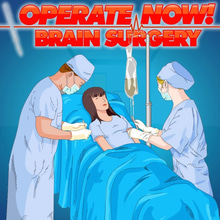
The clock on the wall doesn’t tick; it breathes. A monitor whispers in colored lines, the anesthesia machine purrs like a very expensive cat, and your patient—quiet, brave, anonymous—waits for you to turn fear into focus. Operate Now: Brain Surgery doesn’t ease you in with pep talks. It hands you a tray of glinting instruments, a diagnosis that sounds like a cliff edge, and a team that keeps looking at you like the plan lives behind your eyes. One deep breath, then another. This isn’t about being fearless; it’s about being precise when your heart wants to sprint.
🛠️🔍 Tools that feel like decisions
Scalpel, forceps, retractors, irrigation, suction, bone drill, clamps, sutures—the essentials line up like a sentence with consequences. Pick the wrong word and the paragraph fights you; pick the right one and the level flows, almost musical. The game teaches you the grammar: disinfect, drape, mark, incise. Control bleeding with a tap that feels like a calm nod. Retract gently so the view widens without arguing with tissue. Change tools not because a prompt told you to, but because your eyes noticed the next step arriving. You won’t memorize; you’ll internalize.
📈🫀 Vitals aren’t UI, they’re conversation
The green wave goes shy when blood pressure dips; the pulse oximeter chirps if oxygen gets opinionated. An anesthetist murmurs numbers that matter, a reminder that surgery isn’t solo. You’ll pause mid-movement to request more fluids, bump the ventilation, or wait two beats for the heart to stop complaining before you cut. Those tiny micro-delays feel like wisdom in motion—the difference between “we finished” and “we survived.” When the line steadies after a tense minute, the room exhales and you learn to love quiet.
🧭🧩 Procedures that feel like puzzles with gloves
A burr hole and craniotomy for pressure relief is the cool-headed opener: mark the site, drill with patience (pressure, not speed), lift the bone flap like a borrowed door, and meet the dura with respect. Tumor resections ask for steady aspiration, careful border work, and the humility to cauterize instead of rushing. Aneurysm cases play like a thriller: dissect around the neck, place a clip that hugs exactly right, then watch the sac blanch as blood flow obeys the new rule. Each case is a different flavor of focus—the steps are clear, but the timing is yours to earn.
🧪🧠 The learning curve is a staircase, not a wall
Early stages feel like guided labs: calm instructions, generous windows, clear highlights. Then the training wheels loosen. Tools stop shining like neon; hints become gentle nudges; the game trusts you to look at the field and choose. Complications arrive fairly—mild edema, a stubborn bleeder, an instrument that needs a swap—never as cheap shots. By the time you realize you’re moving without the overlay, you’ll also realize your hands got quieter and your decisions got quicker. That’s the high: competence sneaking up on you.
🧴🧼 Rituals that matter more than flair
Scrub, gown, glove, prep, drape. It seems like choreography, and it is—but it’s also story. The iodine glow, the clean lines of sterile blue, the click of a clamp—each is a little spell you cast to keep chaos outside the field. The game treats these beats with respect; skipping steps isn’t drama, it’s disallowed. When the incision finally lands, it feels earned because the ritual said you were ready.
🎛️⏱️ Pressure, pacing, and “do no harm” on a timer
Some levels add the quiet panic of the clock: rising intracranial pressure, a swelling hematoma, a perfusion number that keeps side-eyeing the floor. You’ll triage choices—control the bleed first, widen the exposure later; irrigate now, suture when the numbers smile again. The trick is refusing to hurry while moving fast, a paradox that makes sense the first time you stabilize a patient with three inputs and one very calm breath.
🎮🎯 Controls tuned for steady hands (and nervous ones)
Pointer precision matters, but the game is kind to humans. Snap-zones on edges help your retractor placement; the drill obeys pressure rather than speed so you can correct mid-pass; suture arcs magnetize just enough to reward clean angles without auto-piloting success. Mistakes aren’t slapstick—they’re teachable bumps. A nick means hemostasis and humility; an over-aggressive cut means irrigation, suction, and a promise to be gentler next time. Instant restarts live here, but so do small recoveries that feel better than do-overs.
🏥🌆 The hospital around the table
Between cases, the sim shifts into hospital mode with just enough management to color the day. Review charts, scan follow-ups, assign the right nurse to the right room, upgrade a monitor that makes tachycardia bark sooner. You’re not building an empire; you’re tightening a system. Each small improvement echoes in the OR when an alarm you paid for sings half a second earlier and buys you one extra good decision.
🎨🔦 Clean visuals, no gore required
The palette sits in that hopeful clinical range: blues and whites, warm skin tones, honest reds that never tip into spectacle. Layers separate cleanly—skin, bone, dura, brain—so your eyes read the field at a glance. Subtle shading marks depth; gentle bloom on instrument metal keeps the tray legible. Accessibility toggles reduce flash on alarms, add shape icons to color cues, and thicken outlines for small screens or tired nights. It looks professional without becoming sterile.
🎧🔊 Sound that keeps your head clear
The ventilator’s soft whoosh, the rhythm of the ECG, the quiet click of instruments sliding into a tray, the irrigation hiss—it’s all functional poetry. The soundtrack mostly stays out of your way, stepping forward only when you close a flap or drop the final stitch, then receding like the OR doors after a successful case. With headphones, you’ll begin to time actions to the breath loop and spot trouble by ear half a second before the screen confirms it.
🧠💡 Micro-tips you’ll pretend you invented
Mark twice, cut once. Irrigate any field that starts looking smug. If a bleeder argues, clamp first, then think; you can finesse after the room calms down. Drill in pulses, not presses—bone listens better that way. Keep the suction near but not on the action; visibility is speed. When suturing, small bites make pretty lines and pretty lines heal happier. Most important: glance at the vitals before every new step. The monitor is your second pair of hands.
📚🧑⚕️ Cases that become stories
A student’s first tumor resection where the last fragment finally lifts and the whole OR hums. A midnight emergency decompression that starts at a sprint and ends with a quiet, careful close as the numbers normalize. The aneurysm that looked mean on the scan but behaved when the clip landed like it was always meant to live there. You’ll finish a run, peel off imaginary gloves, and feel taller—not because the game gave you points, but because it made you brave in small, specific ways.
🌟 Why Operate Now: Brain Surgery belongs on your Kiz10 rotation
Because it’s rare to find a game that turns anxiety into competence, one deliberate gesture at a time. Five minutes buys a clean incision, a stabilized bleed, and a suture line you’ll admire. An hour becomes a reel of careful wins: pressure numbers drifting down, bone flaps seated neatly, clips placed just so, recoveries you earned by reading the room instead of mashing prompts. It’s tense without cruelty, educational without homework, and tuned so that the most thrilling sound in the world isn’t applause—it’s a monitor returning to a steady, unapologetic beep.





 Share
Share
 Embed
Embed


