𝗢𝗨𝗧 𝗥𝗨𝗡 𝗥𝗘𝗧𝗥𝗢: 𝗦𝗨𝗡𝗦𝗘𝗧 𝗦𝗣𝗘𝗘𝗗 𝗪𝗜𝗧𝗛 𝗭𝗘𝗥𝗢 𝗙𝗢𝗥𝗚𝗜𝗩𝗘𝗡𝗘𝗦𝗦 🌅🚗
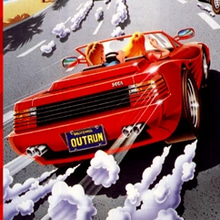
Out Run Retro is the kind of racing game that feels like a postcard that suddenly grows teeth. The road glows, the horizon looks endless, and for a second you think you’re here to vibe. Then you realize the real theme is urgency. On Kiz10, this is a retro arcade racing game where the car wants to go fast, the clock wants you to fail, and every corner is a tiny negotiation between style and survival. It’s not a long simulation. It’s a high-speed sprint with a nostalgic pulse, where your best friend is momentum and your worst enemy is that one lazy turn-in that sends you drifting wide like you forgot what steering is.
The magic is that it stays simple while still feeling intense. You drive, you dodge traffic, you hold clean lines, and you push toward the next checkpoint like it’s a lifeline. The game doesn’t need a complicated upgrade menu to feel addictive. It relies on a classic arcade promise: if you drive cleaner, you go farther. If you go farther, you feel unstoppable. If you feel unstoppable, you get reckless. If you get reckless, the guardrail reminds you who owns the highway. 😅
𝗧𝗛𝗘 𝗔𝗥𝗖𝗔𝗗𝗘 𝗟𝗢𝗢𝗣: 𝗖𝗛𝗘𝗖𝗞𝗣𝗢𝗜𝗡𝗧𝗦, 𝗖𝗢𝗡𝗙𝗜𝗗𝗘𝗡𝗖𝗘, 𝗔𝗡𝗗 𝗧𝗜𝗠𝗘 𝗣𝗥𝗘𝗦𝗦𝗨𝗥𝗘 ⏱️🏁
Out Run Retro lives on that classic checkpoint rhythm. You’re not just “racing,” you’re racing the clock in segments. Each checkpoint feels like a breath you earn. Make it in time and the run continues, the road opens up, and you get that quick shot of relief. Miss it and it’s over, and the game does what retro arcade racers do best: it ends cleanly, so you can restart instantly and swear you’ll drive smarter this time.
Time pressure changes your driving in a sneaky way. Early on, you can afford to be cautious. Later, you start cutting corners tighter, passing closer, committing earlier. Your choices get sharper because the game makes hesitation expensive. And the best part is that this pressure feels fair when you’re playing well. If you’re smooth, time becomes generous. If you’re messy, time becomes a threat. That feedback loop makes the game feel like it’s judging your skill in real time, not just counting seconds.
𝗧𝗛𝗘 𝗥𝗘𝗧𝗥𝗢 𝗛𝗜𝗚𝗛𝗪𝗔𝗬 𝗠𝗜𝗡𝗗𝗦𝗘𝗧: 𝗦𝗠𝗢𝗢𝗧𝗛 𝗜𝗦 𝗙𝗔𝗦𝗧 🌀✨
This is not a “slam the wheel and hope” racing experience. Out Run Retro rewards calm control. Your fastest runs usually look almost effortless. You’re reading traffic early, adjusting your line before you’re forced to, and making small corrections instead of dramatic swerves. Dramatic swerves feel exciting, but they steal your stability. Stability is how you keep speed through bends without bleeding momentum.
The road in a retro-style racer is basically a moving puzzle. You’re solving it at speed. Where is the gap? Which lane will stay open? Which curve tightens more than it looks? The better you get, the more your eyes stop staring at the car and start staring through the road, scanning ahead for patterns. That shift is huge. It turns the game from “reaction” into “prediction,” and prediction is how you start surviving long stretches without feeling like you’re constantly saving yourself.
And yes, you’ll still have those moments where you thread traffic by millimeters and your body reacts like you just did something heroic. Because you did. You just did it at 200 km/h with a clock screaming at you. 😄
𝗧𝗥𝗔𝗙𝗙𝗜𝗖 𝗔𝗡𝗗 𝗧𝗛𝗘 𝗔𝗥𝗧 𝗢𝗙 𝗣𝗔𝗦𝗦𝗜𝗡𝗚 𝗪𝗜𝗧𝗛𝗢𝗨𝗧 𝗟𝗢𝗦𝗜𝗡𝗚 𝗬𝗢𝗨𝗥 𝗦𝗢𝗨𝗟 🚦😈
Traffic is where Out Run Retro becomes a real skill game. Anyone can drive fast on an empty road. The challenge is staying fast when the highway is busy and your safe space keeps disappearing. Passing isn’t only about picking an opening, it’s about picking the opening that won’t trap you two seconds later. That’s the part that gets people. You take a “safe” pass into a lane that looks clear… then the curve arrives and suddenly you’re boxed in with no clean exit.
The smart approach is to always keep an escape option. If you’re passing on the left, leave yourself room to return. If you’re passing on the right, don’t hug the edge like it’s comforting. Edges are not comfort. They are where mistakes become crashes. Try to drive in a way that gives you choices. Choices are oxygen in a checkpoint racer.
There’s also a psychological trap: once you make a few good passes, you start believing every gap is yours. That’s when the game humbles you. The best players stay respectful. Not slow, just respectful. They treat traffic like it’s unpredictable, even when it looks predictable.
𝗧𝗛𝗘 𝗩𝗜𝗕𝗘: 𝗥𝗘𝗧𝗥𝗢 𝗚𝗟𝗢𝗪, 𝗠𝗢𝗗𝗘𝗥𝗡 𝗔𝗗𝗗𝗜𝗖𝗧𝗜𝗢𝗡 🌈🎶
Out Run Retro feels nostalgic even if you’ve never touched an old arcade cabinet in your life. It’s the lighting, the horizon, the clean readability of the road, the sense that you’re driving through an 80s dream where every mile is a little louder than the last. That vibe matters because it keeps you motivated. The road looks inviting, so you want to keep going. The checkpoint timer keeps you honest, so you can’t just cruise. Together, they create a perfect loop: aesthetic comfort plus mechanical pressure.
On Kiz10, that combination is dangerous in the best way. You can play for two minutes and have fun. You can play for twenty minutes and start chasing perfection: cleaner corner entries, safer passes, earlier lane decisions, fewer wall taps. And because it’s a retro arcade racing game, improvement feels immediate. Your next run is better because you learned one tiny thing. You recognized one curve earlier. You stopped oversteering. You took a smarter line. The game rewards that instantly, and that’s why it sticks.
If you want a racing game that feels classic, fast, and endlessly replayable without drowning you in complicated systems, Out Run Retro is exactly that. Start the run, lock into the rhythm, and keep your hands calm while your speed does the shouting. 🏁🔥



 4.4 (18 votes)
 Share
Share
 Embed
Embed