𝗡𝗜𝗡𝗝𝗔 𝗧𝗥𝗔𝗜𝗡𝗜𝗡𝗚, 𝗭𝗘𝗥𝗢 𝗖𝗛𝗜𝗟𝗟 🥷🔥
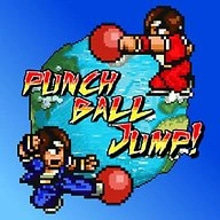
Punch Ball Jump feels like two warriors decided that normal training was boring and invented the most chaotic drill imaginable: a ball that keeps getting faster, a tiny arena that offers zero forgiveness, and a simple choice that becomes stressful in the best way… punch it back, or jump it clean. That’s the whole loop. And it’s brilliant because it turns one basic idea into a full-on reflex war. On Kiz10.com, the game hits you with instant pressure: the ball moves, you react, you’re either sharp or you’re eating a face full of speed. No long tutorials, no slow ramp-up pretending you’re on vacation. It’s straight into “okay, focus” mode.
What makes Punch Ball Jump so addictive is how it rewards confidence, then punishes sloppy confidence immediately. You’ll start with a calm rhythm, tapping the ball back and forth like you’re in control, like you’re reading its path perfectly. Then the hits stack up, the pace climbs, and your brain suddenly realizes it’s doing micro-decisions at a ridiculous rate. Punch or jump? Punch or jump? Punch… no, jump… wait—too late. That moment of almost-saving-it is where the game lives. That little gasp, that tiny panic, that laugh when you get clipped because you trusted your timing a half-second too much 😅.
𝗧𝗛𝗘 𝗕𝗔𝗟𝗟 𝗜𝗦 𝗔 𝗧𝗜𝗠𝗘𝗥 𝗪𝗜𝗧𝗛 𝗔𝗧𝗧𝗜𝗧𝗨𝗗𝗘 ⚽⏱️
Most arcade games use a clock, a bar, a countdown. Punch Ball Jump uses the ball itself as the timer. Every clean hit makes it faster. Every exchange raises the stakes. It’s like the game is whispering, nice, you’re doing great… now do it faster. The speed escalation is the true difficulty system, and it’s so simple it’s almost rude. There’s no complicated rulebook to blame. If you lose, you know exactly why: you were late, you were greedy, you were sleepy, you blinked at the wrong time, you got cocky. The ball didn’t cheat. The ball just became a little monster because you fed it hits.
And here’s the sneaky part: the faster it gets, the more you want to keep it going. Not because it’s safe, but because it’s exciting. There’s a tipping point where the ball is moving so fast it’s almost funny, and you’re surviving on pure rhythm. It feels like juggling a knife, except the knife is a bouncing dodgeball and your pride is the thing getting cut.
𝗣𝗨𝗡𝗖𝗛 𝗢𝗥 𝗝𝗨𝗠𝗣… 𝗔𝗡𝗗 𝗪𝗛𝗬 𝗧𝗛𝗔𝗧 𝗖𝗛𝗢𝗜𝗖𝗘 𝗛𝗨𝗥𝗧𝗦 🧠🌀
The game’s genius is how it gives you two actions that look simple but create constant mind games. Punching the ball back is the obvious survival move. It keeps the exchange going and stops you from getting hit, but it also increases speed, which is basically the game turning the difficulty dial with your own hands. Jumping over the ball is the spicy option. It’s the fake-out. The “I’m not just surviving, I’m outsmarting the pattern” move. And in a two-player vibe, jumping feels like psychological warfare. Even solo, it feels like a flex. It’s you saying, I’m not afraid of this thing.
But jumping is also dangerous because it demands clean timing. Jump too early and you land right into trouble. Jump too late and you get clipped midair like a cartoon ragdoll. The funniest fails happen when you jump confidently, miss by a pixel, and your brain instantly starts negotiating with reality. Maybe it didn’t hit me? Maybe the game will forgive it? It will not. Punch Ball Jump is polite about many things, but mercy is not one of them 😂.
What ends up happening is you develop instincts. You start reading the ball’s approach like a rhythm cue. You stop thinking in words and start thinking in beats. Punch is beat one. Jump is beat two. And when you’re in the zone, it feels smooth, almost musical, like the arena is a tiny drum circle and the ball is the loudest instrument.
𝗧𝗛𝗘 𝗠𝗢𝗦𝗧 𝗛𝗨𝗠𝗔𝗡 𝗣𝗔𝗥𝗧: 𝗬𝗢𝗨 𝗟𝗢𝗦𝗘 𝗕𝗘𝗖𝗔𝗨𝗦𝗘 𝗬𝗢𝗨 𝗚𝗘𝗧 𝗘𝗫𝗖𝗜𝗧𝗘𝗗 😄⚡
This game exposes a very real player flaw: excitement makes you faster, but excitement also makes you sloppy. You land a clean streak, you feel good, you start pressing early because you’re anticipating, and that anticipation becomes your downfall. The ball arrives slightly later than your brain predicted and suddenly your input is wrong. Or you decide to jump for style when punching would have been safer, because you’re feeling heroic for no reason. Classic. Punch Ball Jump doesn’t punish you for being bad. It punishes you for being emotional. That’s why it feels so “fair” even when it’s brutal.
And because rounds are quick, you instantly want another try. There’s no long recovery. No complicated setup. Just restart and go again, because you can feel the improvement living right there in your hands. It’s that “one more round” energy that fits perfectly on Kiz10.com. You don’t need an hour. You need thirty seconds and a willingness to get humbled.
𝗦𝗢𝗟𝗢 𝗙𝗢𝗖𝗨𝗦 𝗢𝗥 𝗙𝗥𝗜𝗘𝗡𝗗 𝗠𝗔𝗬𝗛𝗘𝗠 🤝😈
Even when you play alone, Punch Ball Jump feels like a duel. The ball is your opponent and also your coach, and it’s kind of mean at both jobs. But if you play with a friend, the whole game changes flavor. Now every punch is a message. Every jump is a bluff. You start trying to read the other person’s rhythm, not just the ball. You start thinking, they always punch on approach… so I’ll jump now. Or they love jumping… so I’ll keep the ball low and fast and make them panic. It turns into this tiny battle of reflexes and nerves, and the laughter usually arrives right after someone gets tagged because they tried to be clever at the wrong time.
That’s what makes the game feel social even without chat. It’s pure body language, but through inputs. The kind of mini-game that creates instant rivalry because it’s so easy to understand and so hard to stay perfect at high speed.
𝗦𝗠𝗔𝗟𝗟 𝗧𝗜𝗣𝗦 𝗧𝗛𝗔𝗧 𝗦𝗔𝗩𝗘 𝗬𝗢𝗨 𝗙𝗥𝗢𝗠 𝗗𝗜𝗦𝗔𝗦𝗧𝗘𝗥 🥷🧯
The biggest improvement comes from not rushing the early hits. It’s tempting to speed-run the beginning, but the early phase is where you lock in your rhythm. Keep your timing calm, let the ball’s speed build naturally, and your reactions will stay cleaner later. Another trick is to treat jumping as a tool, not a flex. Jump when it makes sense, when the timing is clear, when it breaks a predictable pattern. If you jump randomly, you’re basically rolling dice with your face.
Also, watch your own hands. When the ball gets fast, you’ll start pressing harder, tighter, like force changes timing. It doesn’t. Calm inputs are faster than tense ones. The moment you relax a little, you’ll suddenly survive longer and wonder why you ever clenched up in the first place.
𝗪𝗛𝗬 𝗜𝗧 𝗪𝗢𝗥𝗞𝗦: 𝗔 𝗧𝗜𝗡𝗬 𝗚𝗔𝗠𝗘 𝗪𝗜𝗧𝗛 𝗕𝗜𝗚 𝗥𝗘𝗣𝗟𝗔𝗬 🔁🏆
Punch Ball Jump is small, sharp, and endlessly replayable because it’s built on a single escalating idea: you create the difficulty by playing well. That’s such a clean arcade concept. It makes every session feel personal. Your best run isn’t about grinding levels, it’s about holding your nerve as the speed climbs and your decisions get thinner. The game becomes a reflex test, a timing puzzle, and a little ego check all at once. And when you finally hit that run where everything stays clean and the ball turns into a blur and you’re still alive… you’ll do the most predictable thing ever. You’ll restart, because now you want to beat yourself 😄⚽🔥











 4.6 (6 votes)
 Share
Share
 Embed
Embed


