𝗕𝗲𝗳𝗼𝗿𝗲 𝘁𝗵𝗲 𝘀𝗰𝗿𝗲𝗮𝗺𝘀: 𝘆𝗼𝘂’𝗿𝗲 𝗮 𝘁𝗿𝗮𝗰𝗸 𝗮𝗿𝗰𝗵𝗶𝘁𝗲𝗰𝘁 🎢🛠️
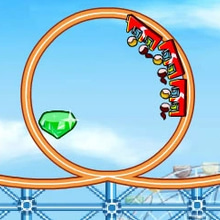
Rollercoaster Creator 2 doesn’t hand you a finished ride and ask you to “enjoy the view.” Nope. It drops you into that delicious theme-park chaos where the coaster is basically a pile of pieces and the responsibility is entirely yours. On Kiz10.com, it plays like a mix of logic puzzle and mischievous engineering: you’re given a start point, an end point, and a bunch of track segments that look innocent until you realize each one is a promise you must keep. If you place a curve, the cart will take it. If you place a drop, the cart will commit to it. If you place a loop… well, the cart will attempt the loop, and your soul will briefly leave your body while you wait to see if it has enough speed to make it through. 😬
The best part is how quickly the game makes you think like a real coaster designer, except with way less paperwork and way more “oops.” It’s not about making something pretty. It’s about making something that works. A track that connects perfectly but loses momentum is basically a stylish failure. A track that technically works but whips the cart into a weird stall is comedy. And a track that nails the line, keeps speed, and hits the goal cleanly? That feels like you just pulled off a small miracle with plastic rails and stubborn physics.
𝗧𝗵𝗲 𝗽𝘂𝘇𝘇𝗹𝗲 𝗶𝘀𝗻’𝘁 𝗰𝗼𝗻𝗻𝗲𝗰𝘁𝗶𝗻𝗴 𝗽𝗶𝗲𝗰𝗲𝘀, 𝗶𝘁’𝘀 𝗰𝗼𝗻𝘁𝗿𝗼𝗹𝗹𝗶𝗻𝗴 𝗺𝗼𝗺𝗲𝗻𝘁𝘂𝗺 🧠⚡
At first glance, you’ll think, okay, I just need to link point A to point B. Simple. Then you try a “simple” bridge and the cart crawls up the last hill like it’s carrying groceries in the rain. That’s when you get it: the real game is momentum management. Gravity is your engine, slopes are your fuel lines, and flat pieces are… suspicious. Flat pieces look safe, but they can quietly kill your speed if you’re not careful. 😅
So you start looking at the level differently. You don’t see a gap, you see a speed opportunity. You don’t see a ramp, you see a launch angle. You don’t see a loop, you see a test of courage and math that you did not study for. The puzzle becomes a conversation with physics: “If I drop here, can I climb there?” “If I add this curve, will I lose too much speed?” “If I place the loop right after a tiny dip, will the cart make it or will it hang upside down like an embarrassed bat?” 🦇🎢
And the game’s charm is that it lets you be messy while you learn. You can build, fail, adjust, and try again quickly. Every failed run is basically data. The cart is your loud little messenger: it shows you exactly where your design collapses, where your line is weak, where your confidence got greedy.
𝗦𝘁𝘂𝗻𝘁𝘀, 𝗷𝘂𝗺𝗽𝘀, 𝗮𝗻𝗱 𝘁𝗵𝗮𝘁 𝗼𝗻𝗲 𝗽𝗶𝗲𝗰𝗲 𝘆𝗼𝘂 𝗸𝗲𝗲𝗽 𝗺𝗶𝘀𝗽𝗹𝗮𝗰𝗶𝗻𝗴 😵💫🧩
Rollercoaster Creator 2 loves giving you objectives that feel like dares. It’s not only “reach the end.” Sometimes it’s “reach the end and do it with style,” meaning you’ll be chasing jumps, smooth connections, and the kind of track flow that keeps the cart alive through the entire ride. That’s where the game becomes addictive, because you’re not just solving a level, you’re polishing it. The first solution might be ugly but functional. Then your brain goes, okay, but what if I make it cleaner. Faster. More dramatic. More… rollercoaster. 😈
You’ll also discover the special pain of being one piece off. One tiny segment that doesn’t fit. One curve facing the wrong direction. One track end hovering a pixel away from connecting, mocking you like it’s enjoying your suffering. And you’ll fix it, and the track will connect, and you’ll feel victorious… until the cart reaches the new section and immediately fails because the angle you “fixed” created a speed problem you didn’t predict. Classic. Absolute classic. 🤦♂️
That’s the loop: solve the connection, then solve the motion. The game keeps your attention because it flips between visual building and kinetic testing. You’re doing calm design work, then suddenly it’s showtime and you’re watching the cart like it’s a stunt performer you hired with a budget of one cookie.
𝗧𝗵𝗲 𝗿𝗶𝗱𝗲 𝗶𝘀 𝘁𝗵𝗲 𝗿𝗲𝘄𝗮𝗿𝗱 🎬🎢
When a design finally works, it’s not just a checkmark. You get to watch it. And watching is half the joy. The cart rolls, the wheels clatter in your imagination, the track bends exactly where you wanted it to bend, and for a moment it feels cinematic. Not because the game is shouting at you, but because you built the scene. You placed the drop. You arranged the curve. You decided that yes, the cart should absolutely attempt this loop right now, because you are a visionary (and not at all reckless). 😄
There’s also this funny emotional thing: you start rooting for the cart. It’s a tiny object, it has no face, and yet you’ll be whispering, “Come on… come on… don’t stall… you’ve got this…” like it’s your pet hamster trying to climb a ramp. 🐹
And the moment it reaches the finish successfully, there’s a clean satisfaction that most building games struggle to deliver. It’s not a vague “I did something.” It’s a very specific “I built a track that obeys physics under pressure.” That’s a real win, even if the track looks like a spaghetti accident.
𝗣𝗿𝗼 𝗺𝗼𝘃𝗲𝘀 𝘄𝗶𝘁𝗵𝗼𝘂𝘁 𝘁𝘂𝗿𝗻𝗶𝗻𝗴 𝗶𝘁 𝗶𝗻𝘁𝗼 𝗵𝗼𝗺𝗲𝘄𝗼𝗿𝗸 🧠🍿
If you want to get better fast, the secret is to stop building “pretty” and start building “useful.” Give the cart a confident drop before a demanding climb. Use curves with intention, because constant turning can bleed momentum. Treat loops like a final exam: they want speed, and they want it at the right time. If you place a loop after a slow section, you’re basically setting up a tragedy. If you place it after a clean drop, suddenly it feels doable, even elegant. ✨
Also, don’t be afraid to test early and often. The cart is your live preview. If it fails halfway, that’s a gift, not a punishment. It tells you where the design breaks. Adjust one thing at a time. Not ten things. Ten things turns your track into a mystery, and then you won’t know what actually fixed it.
And yeah… sometimes the best fix is removing a piece. That’s the humbling truth. More track is not always better track. Sometimes you just need a cleaner line, fewer awkward transitions, and a slope that carries speed naturally.
𝗧𝗵𝗲 𝗰𝗵𝗮𝗿𝗺 𝗼𝗻 𝗞𝗶𝘇𝟭𝟬: 𝗳𝗮𝘀𝘁 𝗽𝘂𝘇𝘇𝗹𝗲𝘀, 𝗯𝗶𝗴 𝗿𝗶𝗱𝗲 𝗲𝗻𝗲𝗿𝗴𝘆 🎡😄
Rollercoaster Creator 2 works because it respects your time and your curiosity. Each level is a bite-sized engineering challenge with an immediate payoff: build, test, react, improve. It’s a building puzzle game where the “solution” isn’t only correct placement, it’s correct motion, and that tiny difference makes it way more satisfying than a normal connect-the-pieces puzzle. You’ll fail, you’ll tweak, you’ll laugh at how close you were, and then you’ll finally get it and feel like you deserve a theme park of your own. On Kiz10.com, that’s a pretty great feeling. 🎢👑





 Share
Share
 Embed
Embed