🏯⚔️ A Quiet Castle, A Loud Decision
Samurai Rebellion drops you into that delicious moment before everything explodes. The banners are still hanging. The courtyards still look calm. And yet you can feel it in your fingers, that tiny itch that says a revolt is already happening, even if nobody has yelled yet. This is not the kind of game where you win by being fast. You win by being awake. By reading a battlefield like it is a story written in footprints, nerves, and bad timing.
You are building a rebellion in a version of medieval Japan that feels stylish and tense, like a scroll painting that suddenly learned how to bite back. You are not playing a lone hero with a legendary katana. You are the mind behind the push. The one choosing which units step forward, which hold the line, which fake a retreat just to lure someone into a trap they did not see coming. And yes, the enemy shogun feels like the kind of villain who deserves a tactical downfall, not a quick slap.
🎴🍃 Ukiyo e Vibes, War Brain Underneath
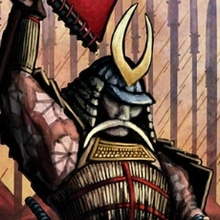
The first thing you notice is the art direction. Everything has that bold, woodblock inspired look, clean shapes, dramatic color, a sense of motion even when the map is still. It is pretty in a way that makes you lower your guard. Then a clash happens and you realize the beauty is also camouflage. Because once the battle begins, you are managing pressure, spacing, counters, and momentum, all at once, and the battlefield stops being pretty and starts being personal.
There is something oddly satisfying about commanding units that look like they belong on an old print, then watching them collide in a messy, modern panic. The contrast works. It makes every decision feel more dramatic, like you are directing a historical scene that keeps refusing to behave.
🧭🗡️ Seven Unit Types, One Brain Trying to Stay Calm
The core thrill is unit choice. Different troop types are not just cosmetic, they are personality. Some exist to hold ground and refuse to move. Some are built to punish greedy pushes. Some are the kind of units you save for the exact right moment, because using them too early is like throwing your best card on the table and praying your opponent does not have a crueler one.
You will start recognizing what each unit is best at, but the real upgrade is learning how they behave together. A strong frontline means nothing if you cannot protect your damage dealers. A sneaky flanking unit is cute until it gets deleted because you forgot to create a distraction. The game quietly teaches you that tactics are not about having the best pieces. They are about arranging the pieces so your opponent keeps making the wrong choice.
And you will make wrong choices too. A lot. You will send a unit forward and instantly think, why did I do that. You will watch an enemy counter land perfectly and feel your stomach drop. Then you will try again, adjust, and suddenly it works, and that moment feels sharp and earned. 😤
🏹🛡️ The Battlefield Is a Puzzle That Fights Back
Every level feels like a little war puzzle with teeth. The map might be familiar, but the enemy formation changes the entire meaning of the space. One level punishes slow builds. Another punishes reckless aggression. Another makes you feel safe for thirty seconds just to trap you with a surprise wave that hits like a cold splash of water.
This is where Samurai Rebellion becomes addictive. You start thinking in questions. What are they trying to bait me into. Why are they holding that unit back. What happens if I commit left instead of center. Should I pressure early or build a stronger mid game push. You stop playing for flashy wins and start playing for control, like you are trying to squeeze the enemy into a smaller and smaller box until they have no elegant escape.
And when it works, it feels clean. Not loud. Clean. Like closing a door gently right before the storm hits it.
📜🔥 Small Choices That Turn Into Big Mistakes
This game loves consequences. Not in a cruel way, more like a knowing smirk. You spend resources on the wrong unit and suddenly you are behind in tempo. You over defend one lane and the enemy slides around you somewhere else. You chase a win too early and your army runs out of shape, like a sentence that lost its grammar halfway through.
The funniest part is how you can feel your own habits forming. You start with a favorite opener. Then the game punishes it. You adjust. You find a new comfort strategy. Then the game punishes that too. So you become flexible, not because you are a saint, but because you are tired of being punished for being stubborn. The battlefield teaches you humility with a straight face.
🥷🌙 Ambush Energy and the Joy of Outsmarting
There is a specific kind of satisfaction Samurai Rebellion delivers when you outthink the enemy instead of overpowering them. It feels like a quiet flex. You bait a unit forward, lure them into the wrong engagement, then collapse on them from two angles like a trap snapping shut. Nobody claps. No dramatic speech plays. You just watch the enemy line break and you feel that calm little thrill, yes, that was the move.
Sometimes you will win because you had a stronger composition. But the best wins are when you win with timing. When you hold back a key unit until the enemy commits, then punish the commitment. When you recognize their pattern and break it. When you realize the shogun’s forces are not unbeatable, they are just confident, and confident enemies make beautiful mistakes.
⏳🧠 The Pressure of 37 Levels
A longer campaign changes how you think. You are not solving one battle. You are building a skill over time. You learn what the game expects from you, then it asks for more. A level that once felt impossible becomes manageable later, because you understand the rhythm now. You understand how to read the field. You understand when to be patient, when to strike, when to stop panicking and just let your plan breathe for a second.
And yes, you will have runs where you lose and immediately blame everything except yourself. The units were bad. The enemy was unfair. The map was cursed. Then you try again, do one thing differently, and suddenly you win. That is the kind of game this is. It quietly reminds you that your brain is the main weapon. ⚔️🧠
🎭🍂 A Rebellion That Feels Like a Story
Even without heavy dialogue, the theme comes through. You are not just moving pieces, you are pushing against an order that feels locked in place. Every battle is another crack in the authority you are challenging. The shogun does not feel like a random boss. He feels like a symbol, and every victory feels like taking back a piece of the country, one tactical choice at a time.
The Ukiyo e style makes it feel almost mythic, like you are rewriting a legend. But the moment to moment gameplay is still grounded in practical decisions. Protect the weak. Punish the greedy. Control the line. Keep your nerve. The story is in the motion, in the way your army advances when you finally get the timing right.
🏁🌸 Why You Keep Coming Back
Samurai Rebellion works because it makes strategy feel immediate. It is not spreadsheets and waiting. It is choices that matter right now. It is the tension of committing to a plan and watching it either bloom or collapse. It is that tiny pause before you deploy a unit, that moment where you ask yourself, is this the smart move or the emotional move.
If you love tactical strategy games where composition, counters, and battlefield reading matter, this one scratches the itch. It gives you enough clarity to make plans, enough pressure to make mistakes, and enough style to keep you playing even when you lose. Start your rebellion on Kiz10.com, trust your instincts, and when you fail, do the most samurai thing possible. Breathe. Reset. Try again. 🌸⚔️



 4 (185 votes)
 Share
Share
 Embed
Embed


