𝗧𝗛𝗘 𝗣𝗘𝗡𝗧𝗛𝗢𝗨𝗦𝗘 𝗪𝗔𝗦 𝗦𝗨𝗣𝗣𝗢𝗦𝗘𝗗 𝗧𝗢 𝗕𝗘 𝗧𝗛𝗘 𝗦𝗔𝗙𝗘 𝗣𝗔𝗥𝗧 🏨
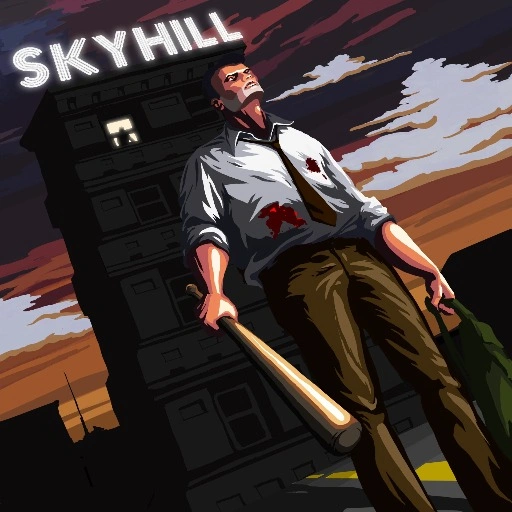
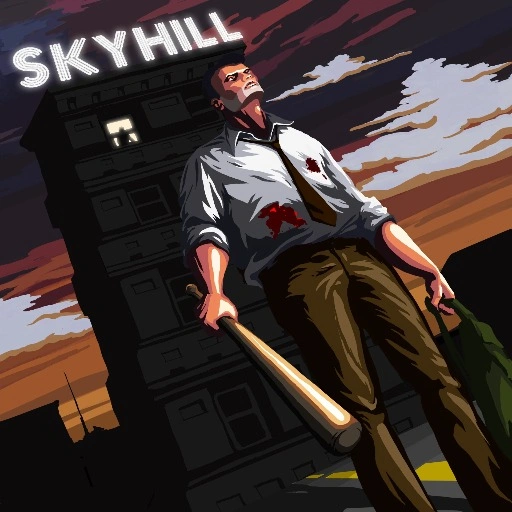
SKYHILL: Escape From the Skyscraper! starts with the kind of setup that feels expensive, comfortable, almost smug. A businessman named Perry comes to town for a deal, rents a penthouse in a luxury hotel, and expects the world to keep behaving like the world. Then the biological attack hits, the city collapses into chaos, and all that comfort curdles instantly into a very bad place to be trapped. It is a great premise because the contrast does a lot of work. The high-rise looks polished on the outside, but inside it becomes a vertical nightmare full of hunger, monsters, exhaustion, and the slow realization that survival is now your only real job.
This is a survival game with horror energy, scavenging pressure, and that nasty little resource-management loop that keeps you thinking three steps ahead. Food matters. Energy matters. Weapons matter. Every hallway can turn ugly. Every decision quietly asks the same question: can you afford this? Can you afford the fight, the risk, the detour, the wasted strength? A lot of games throw danger at you and call it tension. SKYHILL feels meaner and smarter than that. It makes danger expensive.
𝗘𝗦𝗖𝗔𝗣𝗜𝗡𝗚 𝗜𝗦 𝗡𝗢𝗧 𝗔 𝗦𝗣𝗥𝗜𝗡𝗧. 𝗜𝗧 𝗜𝗦 𝗔 𝗗𝗥𝗔𝗚𝗚𝗘𝗗-𝗢𝗨𝗧 𝗔𝗥𝗚𝗨𝗠𝗘𝗡𝗧 𝗪𝗜𝗧𝗛 𝗗𝗘𝗔𝗧𝗛 🍽️
The first thing that makes the game work is the simple ugliness of survival. You do not just run through the hotel swinging a weapon and pretending stamina is a myth. You need food. You need to watch your energy. You need to think about whether it is worth exploring one more room when your supplies are looking thin and your odds are getting worse. That changes the mood completely.
Hunger systems can feel annoying in the wrong game, but here it fits. It gives the hotel weight. You are not only moving through a dangerous building. You are decaying inside it if you do not plan well enough. That constant drain gives even quiet moments a kind of pressure. A mostly empty corridor is not exactly safe if it costs you time and strength and leaves you with nothing useful. Every floor becomes a negotiation between need and risk.
And that is what makes the scavenging so tense. Supplies are not just collectibles tossed around to make exploration feel busy. They are relief. Food is relief. A decent weapon is relief. Anything that buys you a little more time feels valuable because the game keeps reminding you that time is not free. It is paid for in energy, hunger, and increasingly bad odds.
𝗧𝗛𝗘 𝗛𝗢𝗧𝗘𝗟 𝗜𝗦 𝗙𝗨𝗟𝗟 𝗢𝗙 𝗥𝗢𝗢𝗠𝗦, 𝗔𝗡𝗗 𝗡𝗢𝗡𝗘 𝗢𝗙 𝗧𝗛𝗘𝗠 𝗙𝗘𝗘𝗟 𝗥𝗜𝗚𝗛𝗧 🚪
A big part of SKYHILL: Escape From the Skyscraper! is the feeling of moving downward through a place that should have felt civilized and now feels rotten. That setting matters. A ruined hotel has a different kind of horror than a bunker or a wasteland. There is something eerie about room after room of former comfort turning into scavenging territory. Tables, walls, doors, hallways, every part of the environment starts to feel tense because you are no longer passing through a human space. You are crossing through the leftovers of one.
That makes exploration especially effective. You go looking for supplies, maybe hoping for a clean little reward, and instead the game keeps reminding you that every room is a gamble. Maybe there is food. Maybe there is something useful. Maybe there is a monster waiting to take more from you than the room could ever give back. It keeps you curious, but never relaxed.
The hotel itself becomes a character in a strange way. Not because it talks to you or does anything theatrical, but because its design shapes the tension. Vertical escape gives the whole journey a sense of direction. You are not wandering aimlessly in a vague apocalypse. You are trying to get out. Floor by floor. Mistake by mistake. It feels focused, and that helps the dread settle in.
𝗙𝗜𝗚𝗛𝗧𝗜𝗡𝗚 𝗜𝗦 𝗔 𝗖𝗛𝗢𝗜𝗖𝗘, 𝗡𝗢𝗧 𝗔 𝗖𝗘𝗟𝗘𝗕𝗥𝗔𝗧𝗜𝗢𝗡 🔪
Combat in a game like this works best when it never feels carefree, and SKYHILL seems to understand that. Fighting monsters is part of survival, but it does not feel like a reward in itself. It feels like a cost. Weapons matter because sometimes you cannot avoid a confrontation, but even then the tone stays grounded in survival. You are not a superhero mowing through the infected. You are a trapped man trying to last long enough to find the next meal, the next safe moment, the next workable plan.
That makes every encounter more memorable. A weapon is useful, but not magical. A victory is good, but not clean. You are always aware that a fight can leave you worse off than you expected. Lose too much health, burn too much energy, spend too many resources, and the next problem becomes harder. The game quietly trains you to stop thinking like an action hero and start thinking like prey with a sharp object and a little luck.
Honestly, that is part of the charm. Winning does not feel flashy. It feels narrow. Messy. Earned. Sometimes ugly. Survival horror is better that way.
𝗧𝗛𝗘 𝗥𝗘𝗔𝗟 𝗧𝗘𝗡𝗦𝗜𝗢𝗡 𝗜𝗦 𝗡𝗢𝗧 𝗧𝗛𝗘 𝗠𝗢𝗡𝗦𝗧𝗘𝗥. 𝗜𝗧 𝗜𝗦 𝗧𝗛𝗘 𝗡𝗘𝗫𝗧 𝗛𝗢𝗨𝗥 ⏳
The smartest thing SKYHILL does is make the future feel dangerous. Not just the current room. Not just the monster in front of you. The future. You are always thinking about what comes next. If you eat now, will you regret it later? If you fight now, will you be too weak for the next floor? If you search a little deeper, will the supplies justify the risk? That forward-looking pressure gives the game a sharper edge than simple hallway horror.
It also creates that excellent survival rhythm where small successes feel huge. Finding food when you were nearly done. Picking up a weapon upgrade at the right moment. Surviving a confrontation that looked bad. Those little wins hit harder because the game keeps things uncertain. You are never fully secure. You are just slightly less doomed for a while, which is somehow very motivating.
And that is why the game becomes addictive. It is not loud about it. It just keeps giving you one more reason to keep going. One more room. One more floor. One more desperate little stretch of progress. You start playing to survive, but somewhere along the way you start playing because you want to outlast the building itself.
𝗪𝗛𝗬 𝗦𝗞𝗬𝗛𝗜𝗟𝗟: 𝗘𝗦𝗖𝗔𝗣𝗘 𝗙𝗥𝗢𝗠 𝗧𝗛𝗘 𝗦𝗞𝗬𝗦𝗖𝗥𝗔𝗣𝗘𝗥! 𝗙𝗜𝗧𝗦 𝗦𝗢 𝗪𝗘𝗟𝗟 𝗢𝗡 𝗞𝗜𝗭𝟭𝟬 🌆
On kiz10.com, SKYHILL: Escape From the Skyscraper! is a strong pick for players who enjoy survival horror games, post-apocalyptic adventures, scavenging mechanics, monster encounters, and browser games where planning matters as much as nerve. It has the right kind of pressure. Not constant noise, but constant consequence. That is different. Much better, too.
What makes it memorable is the balance between simple goals and ugly decisions. Eat. Search. Fight if you must. Keep moving. Stay alive. The rules are not hard to understand, but the game keeps twisting those rules into tense situations where no option feels perfect. That is exactly the sort of thing that sticks.
Play SKYHILL: Escape From the Skyscraper! on Kiz10 if you want a survival game where hunger is dangerous, the hallways feel sick, and every small resource feels like it might be the thing that gets you one floor closer to freedom. It is grim, tense, and weirdly satisfying in the way only a good disaster can be.







 Share
Share
 Embed
Embed


