𝗧𝗛𝗘 𝗙𝗢𝗥𝗘𝗦𝗧 𝗗𝗢𝗘𝗦 𝗡𝗢𝗧 𝗖𝗔𝗥𝗘 𝗧𝗛𝗔𝗧 𝗬𝗢𝗨 𝗪𝗢𝗞𝗘 𝗨𝗣 𝗛𝗘𝗥𝗘 🌲🪓
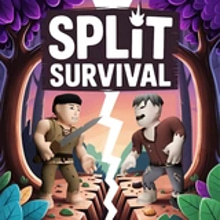
Split Survival begins with one of the best survival-game feelings there is: confusion first, danger second, and then the slow horrible realization that leaving is not going to be easy. You wake up in a forest that clearly has no intention of being kind. Trees stretch in every direction, caves hold things that should probably stay in caves, zombies roam where they absolutely should not be, bandits are already treating the wilderness like their private kingdom, and the seasons themselves seem interested in making sure your life gets worse at the right moments.
That is exactly why it works so well on Kiz10.
This is not a survival game about standing still and admiring the scenery while your inventory politely fills itself. It is a resource-driven wilderness struggle where every small task matters. Chop wood, mine ore, fish, hunt, craft, build, defend, adapt, repeat. The loop is familiar enough for survival fans to settle into quickly, but the world around it has enough hostility to keep every decision feeling useful. You are never just gathering things because the game told you to gather things. You are doing it because the forest has made a very convincing case that weakness is a terrible lifestyle.
And the more you survive, the more the world starts revealing just how deep the trouble actually goes.
𝗦𝗨𝗥𝗩𝗜𝗩𝗔𝗟 𝗦𝗧𝗔𝗥𝗧𝗦 𝗪𝗜𝗧𝗛 𝗧𝗛𝗘 𝗦𝗠𝗔𝗟𝗟𝗘𝗦𝗧 𝗝𝗢𝗕𝗦 🪵⛏️
One of the strongest parts of Split Survival is how it builds your progress from practical, grounded tasks. At first, your work is humble. Wood. Ore. Fish. Meat. Hides. These are not glamorous goals, but that is exactly what makes them satisfying. A survival game feels better when the early grind has weight, and here it does. Each small action directly supports the next one. A bit of wood becomes tools. Tools become better harvesting. Better harvesting becomes stronger gear. Stronger gear keeps you alive longer in a world that keeps inventing reasons for you to die.
That step-by-step rhythm is the heartbeat of the game. You do not leap instantly into grand heroics. You earn the right to survive through boring, necessary, wonderfully tense labor. That is the fantasy survival games do best. The world begins as a threat, and every task completed feels like one tiny piece of order wrestled away from chaos.
The game understands that survival is not one big dramatic moment. It is a thousand small correct decisions strung together. That makes every crafted item feel more meaningful than if it were just handed to you for free.
𝗖𝗥𝗔𝗙𝗧𝗜𝗡𝗚 𝗧𝗨𝗥𝗡𝗦 𝗣𝗔𝗡𝗜𝗖 𝗜𝗡𝗧𝗢 𝗣𝗢𝗦𝗦𝗜𝗕𝗜𝗟𝗜𝗧𝗬 🔨🧥
Crafting in Split Survival is where desperation slowly transforms into confidence. At first, the world feels bigger than you. Then the tools start appearing. Axes, pickaxes, buckets, sledgehammers, torches. Suddenly you are not just a frightened body in the woods anymore. You are someone with options. Someone who can cut, mine, light, break, and build. That shift matters a lot because it gives the game a strong sense of growth without needing to rush it.
Weapons and clothing push that feeling even further. Swords, bows, spears, and proper gear are not just nice bonuses. They are psychological upgrades. They change how you see the world. A dark path feels different when you have a torch and a spear. A roaming threat feels different when you know you can fight back instead of just hoping it loses interest. Crafting turns the environment from a pure threat into something you can actually negotiate with.
And of course, that makes the next layer of survival much more exciting. Once you are not just scraping by, the game opens up in a bigger way. Exploration becomes less about fear and more about calculated risk.
𝗦𝗘𝗔𝗦𝗢𝗡𝗦 𝗠𝗔𝗞𝗘 𝗧𝗛𝗘 𝗙𝗢𝗥𝗘𝗦𝗧 𝗙𝗘𝗘𝗟 𝗔𝗟𝗜𝗩𝗘 𝗔𝗡𝗗 𝗠𝗘𝗔𝗡 🍂❄️
A huge part of Split Survival’s atmosphere comes from the seasons. This is such a smart feature because it stops the world from feeling static. Summer and winter do not just change the color of the trees. They change the emotional logic of the game. Summer gives you more breathing room. Food is easier to gather. Movement and momentum feel more forgiving. Then winter arrives and suddenly survival stops being a routine and becomes a fight against scarcity, cold, and pressure from every direction.
That seasonal shift gives the game real texture. It means the player cannot just solve the forest once and relax forever. The world keeps rebalancing itself. It asks different questions at different times. Are you prepared for the next stage? Did you gather enough? Build enough? Think far enough ahead? Those are excellent pressures for a survival game to create.
It also makes the environment feel more believable. A forest that changes with time is much more interesting than one that sits there frozen in the same state forever. The seasons make the wilderness feel like a living opponent. Not loud. Not theatrical. Just stubborn and relentless.
𝗬𝗢𝗨𝗥 𝗕𝗔𝗦𝗘 𝗜𝗦 𝗧𝗛𝗘 𝗢𝗡𝗟𝗬 𝗣𝗟𝗔𝗖𝗘 𝗧𝗛𝗔𝗧 𝗙𝗘𝗘𝗟𝗦 𝗟𝗜𝗞𝗘 𝗔 𝗣𝗥𝗢𝗠𝗜𝗦𝗘 🏕️🧱
A good survival game always needs one precious idea: shelter matters. Split Survival seems to understand that very well. Building a base is not decorative. It is emotional. Outside your walls, the world is full of zombies, spiders, bandits, secrets, and enough general hostility to make every trip feel risky. Inside your base, there is structure. Planning. Safety, or at least the beginning of it.
Strengthening the walls becomes more than a mechanical step. It becomes a declaration that you are no longer just hiding in the forest. You are trying to stay. To endure. To build something that pushes back against everything trying to erase you. That is one of the most rewarding sensations any survival game can offer.
And because your base grows out of your own labor, it feels personal. Every defensive improvement has a memory attached to it. The ore you mined. The wood you chopped. The danger you survived just to bring the materials back. That history gives the shelter weight.
𝗭𝗢𝗠𝗕𝗜𝗘𝗦, 𝗦𝗣𝗜𝗗𝗘𝗥𝗦, 𝗕𝗔𝗡𝗗𝗜𝗧𝗦, 𝗔𝗡𝗗 𝗧𝗛𝗜𝗡𝗚𝗦 𝗪𝗢𝗥𝗦𝗘 𝗧𝗛𝗔𝗡 𝗧𝗛𝗔𝗧 🧟🕷️
Split Survival does not settle for one kind of danger, and that is a huge strength. Zombies bring obvious survival pressure. Bandits add a more human threat, which usually means unpredictability and a more personal kind of hostility. Spiders lurking in caves make exploration feel ugly in exactly the right way. And then the game hints that something enormous lives deeper in those caves, which is the sort of statement that immediately makes every underground trip feel like an argument with common sense.
This variety helps the world feel layered. You are not just solving one enemy type over and over again. The forest becomes a network of overlapping dangers, each one pushing the player to prepare differently. That keeps the gameplay fresh and prevents the wilderness from turning into a flat routine.
The rumors about the caves and the bandits following some hidden force also add narrative pull. You are not simply surviving in a random dangerous place. There is something behind the danger. Something larger than the daily grind. That makes progress feel more adventurous and less mechanical.
𝗧𝗥𝗔𝗗𝗜𝗡𝗚 𝗚𝗜𝗩𝗘𝗦 𝗧𝗛𝗘 𝗙𝗢𝗥𝗘𝗦𝗧 𝗔 𝗦𝗧𝗥𝗔𝗡𝗚𝗘 𝗟𝗜𝗧𝗧𝗟𝗘 𝗘𝗖𝗢𝗡𝗢𝗠𝗬 🤝🌿
The forest dweller is a very smart addition because trade changes the emotional shape of resource management. Instead of everything being pure scarcity, the world suddenly has exchange. What you do not need can become what you desperately do need. That is a huge relief in a genre where being one material short can feel personally insulting.
More importantly, trading makes the wilderness feel less empty. It suggests that survival here is not only about isolation, but also about negotiating with the strange people who somehow endure the same place for their own reasons. That gives the world more character. It reminds you that the forest has systems beyond combat and crafting.
And from a gameplay perspective, trade is simply useful. It adds flexibility. Flexibility is beautiful in survival games because it gives players room to recover from imperfect planning without making the whole challenge collapse.
𝗖𝗢-𝗢𝗣 𝗖𝗢𝗡𝗧𝗥𝗢𝗟𝗦 𝗚𝗜𝗩𝗘 𝗧𝗛𝗘 𝗚𝗔𝗠𝗘 𝗔 𝗕𝗘𝗧𝗧𝗘𝗥 𝗦𝗨𝗥𝗩𝗜𝗩𝗔𝗟 𝗙𝗘𝗘𝗟 👥🎮
Another great detail in Split Survival is the two-player setup on PC. Player one and player two each have their own control scheme, which turns the whole experience into something more cooperative and more chaotic in a good way. Survival games often become more memorable when two people can share the same disaster. One person gathers while the other fights. One explores while the other builds. One makes the smart plan and the other absolutely ruins it in a cave full of spiders. That kind of shared tension is part of the fun.
The controls stay simple enough to support that. Movement, turning, dodging, attacking, inventory access, it all feels readable. That matters because a two-player survival game needs clarity. The danger should come from the forest, not from confusion over what button opens the inventory while zombies are approaching.
𝗪𝗛𝗬 𝗦𝗣𝗟𝗜𝗧 𝗦𝗨𝗥𝗩𝗜𝗩𝗔𝗟 𝗙𝗜𝗧𝗦 𝗞𝗜𝗭𝟭𝟬 𝗦𝗢 𝗪𝗘𝗟𝗟 🌲🏆
Split Survival is a great match for players who enjoy crafting games, forest survival games, zombie and bandit threats, co-op adventure, and browser experiences where progress feels earned one resource at a time. It has the right survival ingredients: gathering, crafting, base defense, environmental pressure, mystery, and the constant sense that the next improvement really matters.
If you like games where the wilderness feels hostile but never empty, where building a wall can feel just as rewarding as winning a fight, and where every season asks something new from you, this one is easy to recommend on Kiz10. It is patient, dangerous, and full of that wonderful survival-game tension where every day lived feels like a small act of defiance.
So cut the wood, light the torch, check the caves only if you are feeling reckless, and do not trust the forest to forgive anything. In Split Survival, escape may be impossible, but becoming strong enough to live there is a very different story.







 2 (151 votes)
 Share
Share
 Embed
Embed