🎯⛰️ One Scope, Too Many Shadows
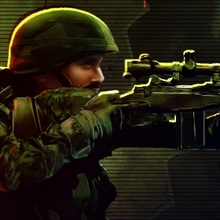
Sniper Hero: Operation Kargil is built on a simple, terrifying idea: you’re alone with a rifle, a scope, and a landscape full of enemies who absolutely refuse to stand still and pose for you. It’s a sniper shooting game where the real fight isn’t “can you click fast,” it’s “can you stay calm long enough to be right.” On Kiz10, that tension hits instantly. You’re not sprinting around like an action hero; you’re watching. Waiting. Measuring tiny movements. Making the kind of decision that feels small until you fire and realize you either solved the problem… or you just created a bigger one. 😬🔫
The setting leans into mountain warfare vibes: distant silhouettes, rough terrain, and the constant feeling that an enemy could pop out from behind a rock at the worst possible moment. Your job is to protect your side, clear threats, and complete each mission with precision. And “precision” here isn’t just accuracy, it’s timing. A perfect shot at the wrong moment is still a mistake. A slightly messy shot at the right moment might save the mission. That’s the kind of game this is: quiet decisions that echo loud.
🧠🔭 The Game Is Half Aim, Half Patience (and the Patience Is the Hard Part)
A sniper game lives or dies by how it makes you look. Not shoot, look. Sniper Hero: Operation Kargil constantly nudges you into that scanning mindset: slow sweeps, careful checks, little pauses where you convince yourself you saw movement… then realize it was nothing… then see actual movement and your brain snaps into focus. It’s a funny rhythm. Calm, calm, calm, PANIC, calm again. 😅
Your eyes start learning patterns. Where enemies tend to appear. How long they stay exposed. How they move when they think they’re safe. And then you start building habits that feel very “sniper”: you don’t chase every target immediately. You wait for a clear lane. You avoid taking shots when the sight picture is messy. You treat every bullet like it matters, because missing doesn’t just waste time, it breaks your flow, and flow is everything in a mission-based shooter.
Also, there’s a weird psychological trick sniper games pull: the quieter the game is, the louder your mistakes feel. You miss a shot and it’s not just “oops.” It’s “why did I rush that.” You reload and you feel exposed even if nothing is happening yet. You crouch and suddenly you’re thinking like a cautious animal. The game makes you roleplay without asking permission. 🐺🎯
💥⏳ Mission Pressure: When the Clock Isn’t Visible but You Still Feel It
Some action games scream urgency with flashing warnings. This one creates urgency with situation. You’ll be tasked with clearing threats before they overwhelm your position, covering allies, and stopping enemies who are trying to control the area. You can feel the pressure even when the screen looks calm, because the mission design pushes you to act, but not recklessly. It’s like being told, “Do it now… but do it perfectly.” Nice. Thanks. 😭
And that’s where the best moments come from: the second you stop panicking and start operating. You line up your shot, track the target’s movement, breathe for half a second (you will literally breathe differently, it’s ridiculous), and then fire. When it lands, it feels clean. Not flashy. Clean. The most satisfying kind of win.
But the game also doesn’t let you stay comfortable. Targets shift. Angles change. You get that annoying moment where your crosshair is exactly where you want it… then the enemy takes one step and ruins your whole plan. So you adjust. Micro-corrections. Tiny drags. Small movement instead of sweeping like a spotlight. The calmer your hands, the more the game rewards you.
🧱🪖 Cover, Crouch, Reload: The Three Survival Habits
Sniper Hero: Operation Kargil isn’t only about shooting; it’s about not being a standing target while you do it. You’ll be using simple tactical actions like crouching to keep yourself safer, reloading when you have a breath, and taking shots when your position feels stable. The best players don’t treat reload as a routine, they treat it as a decision. Reloading at the wrong time is like announcing your weakness out loud. 😬
Crouching is the underrated hero move. It’s not glamorous, but it buys you seconds. Seconds are aim. Seconds are safety. Seconds are the difference between getting one more clean shot and losing the moment completely. When you start respecting those seconds, the missions stop feeling like chaos and start feeling like controlled work.
And yes, you will have moments where you reload one second too early or too late and immediately regret your existence. It’s fine. That’s part of learning the mission rhythm. The game doesn’t punish you for being cautious; it punishes you for being careless while pretending you’re cautious. Big difference. 😅
🌫️🎯 Target ID: The Quiet Puzzle Inside the Shooting
The most interesting part of mission sniper games is that they’re secretly puzzle games. Not the cute block-matching kind, the observational kind. Who is the threat right now. Who is about to become a threat. Which enemy is in a position that can ruin everything if you ignore them for five more seconds. You’re constantly prioritizing, and your priorities change mid-mission.
That’s why the game feels tense even if the mechanics are straightforward. Your skill isn’t only “hit what you see.” Your skill is “choose what matters.” In a crowded scene, shooting the wrong person can waste your chance at the right person. In a tense moment, shooting too early can expose you to retaliation. In a tight mission, being dramatic is expensive.
So you learn a discipline that feels very sniper-like: you don’t shoot because you can, you shoot because it’s correct. And when you play that way, it becomes strangely satisfying, like you’re solving a problem with precision instead of brute force. 🎯🧠
😈🔥 The Greed Trap: Taking the Shot You Haven’t Earned Yet
Here’s the moment that ruins runs: you see an enemy barely visible, half behind cover, and your brain whispers, “You can hit that.” Can you? Maybe. Should you? Probably not. But you shoot anyway. You miss. Now the scene changes, enemies move, your advantage disappears, and you’re annoyed at yourself for falling for the oldest trick in the sniper book. That’s the greed trap. The game is full of it.
The fix is boring, and boring wins. Wait for clean exposure. Use patience like it’s ammunition. Keep your sight picture simple. Don’t turn every shot into a highlight attempt. The highlight is completing the mission, not landing the world’s most questionable pixel shot. 😅🏆
🏁⛰️ Why It Hooks on Kiz10
Sniper Hero: Operation Kargil works on Kiz10 because it’s focused. You can jump in, play a mission, feel that spike of tension, then either leave satisfied or hit restart because you know you can do it cleaner. The loop is short, sharp, and addictive: observe, aim, fire, adapt, finish. It’s not trying to be a massive military simulator. It’s trying to deliver the sniper fantasy of calm focus under pressure, with just enough chaos to keep your hands honest. 🔭🔥
If you like sniper games that reward patience, careful target selection, and steady micro-movements, this one scratches that itch hard. It’s not about spraying. It’s about being the person who can keep it together when the scenes gets messy… and still land the shot that matters. 🎯⛰️












 Share
Share
 Embed
Embed