𝗧𝗵𝗲 𝗯𝗶𝗸𝗲 𝗶𝘀 𝗯𝗿𝗮𝘃𝗲, 𝘁𝗵𝗲 𝗿𝗼𝗮𝗱 𝗶𝘀 𝗺𝗲𝗮𝗻 🏍️🪨
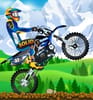
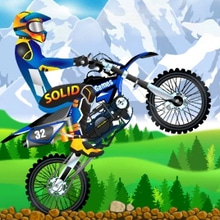
Solid Rider 2 doesn’t do gentle. It throws you onto a motorcycle and points at terrain that looks like it was designed by someone who got offended by the concept of “flat.” On Kiz10, it hits instantly: a trials bike, a rough course, and that familiar feeling that your next tiny decision will either look smooth… or become a full-body crash poem. You’re not racing against other riders. You’re racing against gravity, momentum, and the part of your brain that always wants to hold the throttle a little longer than it should. And yes, that part of your brain is going to get you in trouble a lot. 😅
This is the kind of bike game where the track is the enemy and the throttle is both your best friend and your worst habit. You’ll creep over jagged bumps like you’re carrying a glass of water, then immediately panic and gun it up a ramp because you think you’re falling behind. Spoiler: the ramp doesn’t care. The ramp will happily flip you backward if you disrespect it. That’s the whole vibe. Solid Rider 2 is about control that looks boring until you realize it’s the only way you survive.
𝗟𝗲𝗮𝗻𝗶𝗻𝗴 𝗶𝘀 𝗮 𝗹𝗮𝗻𝗴𝘂𝗮𝗴𝗲, 𝗮𝗻𝗱 𝘁𝗵𝗲 𝘁𝗿𝗮𝗰𝗸 𝗶𝘀 𝗰𝗿𝗶𝘁𝗶𝗾𝘂𝗶𝗻𝗴 𝘆𝗼𝘂 🧠🛞
The real mechanic isn’t “go.” The real mechanic is balance. Solid Rider 2 is one of those physics bike games where leaning forward and leaning back feels like you’re negotiating with the bike’s soul. Lean too far forward and you plant the front wheel into the ground like you’re trying to dig for treasure. Lean too far back and you wheelie into the sky, and for a brief second you feel cool, and then you remember the backflip landing is not a suggestion, it’s a debt. 💸💥
You start learning the language of tiny taps. A little throttle, a little release, a small lean correction. The game rewards you for being patient in moments where your instincts scream “SEND IT.” And when you do send it, sometimes it works and you feel like a stunt legend. Other times you explode into a mess of regret and you whisper “okay, okay, that was dumb” at your screen like the bike can hear you. It can’t. But it feels like it can. 😬🏍️
𝗢𝗯𝘀𝘁𝗮𝗰𝗹𝗲𝘀 𝘁𝗵𝗮𝘁 𝗳𝗲𝗲𝗹 𝗹𝗶𝗸𝗲 𝗽𝗲𝗿𝘀𝗼𝗻𝗮𝗹 𝗮𝘁𝘁𝗮𝗰𝗸𝘀 🪵🧱
The course design in a trials-style motorcycle game is all about asking rude questions. Can you climb this without flipping? Can you land this without bouncing? Can you cross these bumps without overcorrecting like a nervous squirrel? Solid Rider 2 loves uneven surfaces because uneven surfaces force you to stop playing on autopilot. A flat road lets you get lazy. A lumpy road exposes you. Every little ridge shifts your weight. Every tiny drop changes your angle. And suddenly you’re not “driving,” you’re managing a physics situation that keeps moving under you.
You’ll also notice the track has these sneaky moments where it looks safe and then reveals a trap. A slope that seems normal but tips you into a bad angle. A ramp that’s just steep enough to punish full throttle. A landing zone that’s technically wide… but still throws you because you touched down with the front wheel first. Those are the moments where Solid Rider 2 feels like a proper trials game: not fast, not loud, just brutally honest.
𝗧𝗵𝗲 𝗰𝗿𝗮𝘀𝗵𝗲𝘀 𝗮𝗿𝗲 𝗳𝘂𝗻𝗻𝘆 𝘂𝗻𝘁𝗶𝗹 𝘁𝗵𝗲𝘆’𝗿𝗲 𝗻𝗼𝘁 🤕😂
There’s a slapstick charm to physics bike games, and Solid Rider 2 leans into it. When you flip, it’s dramatic. When you nose-dive, it’s instant comedy. When you barely clip an edge and the bike decides to do gymnastics, it’s the kind of moment where you laugh first… then restart with a serious face like you’re a professional athlete. That emotional switch is part of the loop. The game keeps things light, but it also demands respect if you want clean runs.
And here’s the thing: crashes teach you faster than wins. A win can be messy and you still move on. A crash forces you to understand what went wrong. Too much throttle at the crest. Too little lean on the landing. Panic correction mid-air. You start noticing patterns in your own mistakes, which is both helpful and mildly embarrassing. “Oh. So I always mess up when I get excited.” Yes. Yes you do. 😅🔥
𝗧𝗶𝗺𝗶𝗻𝗴 𝗳𝗲𝗲𝗹𝘀 𝗹𝗶𝗸𝗲 𝗺𝘂𝘀𝗶𝗰 🎶⏱️
When Solid Rider 2 clicks, it feels like rhythm. Not rhythm with notes, rhythm with throttle and gravity. You approach a bump and your brain learns the tempo: ease in, lift slightly, settle, accelerate, brake-ish, stabilize. There’s a flow to it that’s oddly satisfying, like you’re smoothing out chaos with deliberate movement. The best players don’t look fast. They look calm. They’re not fighting the bike. They’re guiding it.
That calm is what you chase on Kiz10. You’ll replay a level not because you didn’t finish, but because you finished ugly. You bounced too much. You landed sloppy. You survived, sure, but your ego is like, “We can do that cleaner.” And the game is perfectly built for that kind of self-challenge. It’s not asking you to be perfect. It’s daring you to want it.
𝗦𝗺𝗮𝗹𝗹 𝘁𝗿𝗶𝗰𝗸𝘀 𝘁𝗵𝗮𝘁 𝗳𝗲𝗲𝗹 𝗹𝗶𝗸𝗲 𝗰𝗵𝗲𝗮𝘁𝗶𝗻𝗴 (𝗯𝘂𝘁 𝗮𝗿𝗲𝗻’𝘁) 🧩😏
If you want smoother runs, think “center of mass,” even if you never say that phrase out loud. Keep the bike stable by doing less, not more. Overcorrection is the silent killer. A tiny lean adjustment usually beats a dramatic swing. On climbs, resist the urge to slam full throttle; try to crest with control so you don’t launch into a bad landing angle. On descents, don’t let gravity rush you into the next obstacle like a shopping cart with no brakes. Control your approach. Set yourself up. Be boring on purpose.
And when you’re airborne, treat your body position like a promise you’ll have to keep on landing. If you take off leaning back, you’ll land leaning back, and the bike will punish you for it. If you take off balanced, you give yourself options. Options are survival. Options are also how you stop having those runs where you crash three times in a row and start blaming the level like the level did anything wrong. It didn’t. It just existed. 😭🏍️
𝗪𝗵𝘆 𝗶𝘁’𝘀 𝗮𝗱𝗱𝗶𝗰𝘁𝗶𝘃𝗲 𝗮𝘀 𝗮 𝗯𝗿𝗼𝘄𝘀𝗲𝗿 𝗺𝗼𝘁𝗼𝗿𝗯𝗶𝗸𝗲 𝗴𝗮𝗺𝗲 🎮⚡
Solid Rider 2 works because it’s pure skill feedback. Every run gives you a clear result. Either you controlled the bike, or you didn’t. Either you respected the obstacle, or you got humbled by it. And because it’s so easy to restart, it creates that “one more attempt” spiral that every good trials game has. You don’t need a long session to feel improvement, but if you do play longer, you’ll notice your hands getting smarter. Your throttle becomes gentler. Your landings become cleaner. Your panic gets quieter. You start playing like someone who has learned that gravity doesn’t negotiate.
It’s the perfect kind of motorbike challenge for Kiz10: quick to jump into, satisfying to master, and full of those tiny heroic moments where you barely save a landing and your brain lights up like “YES, I meant to do that.” You didn’t. But the game lets you feel like you did, and that’s a beautiful lie. 😄🏁



 4.4 (33 votes)
 Share
Share
 Embed
Embed