𝗧𝗵𝗲 𝘄𝗮𝗿 𝗶𝘀𝗻’𝘁 𝗳𝗼𝘂𝗴𝗵𝘁 𝘄𝗶𝘁𝗵 𝘀𝘄𝗼𝗿𝗱𝘀, 𝗶𝘁’𝘀 𝗳𝗼𝘂𝗴𝗵𝘁 𝘄𝗶𝘁𝗵 𝘀𝗽𝗮𝗿𝗸𝘀 ⚡🏭
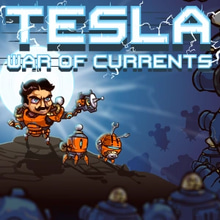
Tesla War Of Currents drops you into a weirdly satisfying kind of conflict: not the “charge the castle” kind, but the “the air smells like ozone and someone just invented a new way to be petty” kind. It’s Tesla vs Edison, but not as a textbook argument. This is an electric strategy game that plays like a moving tower defense puzzle with attitude. You keep your team together, you push through levels, you upgrade your squad, you unlock hidden units, and you dismantle Edison’s inventions like you’re cleaning a workshop after a bad idea party 🧰😅.
The first surprise is how much the game cares about direction. You’re not only placing things and watching numbers happen. You’re actively steering Tesla’s side by clicking the arrow symbols on the map to change direction. It’s like guiding a small, stubborn parade through danger while the enemy keeps tossing new contraptions in your way. The mouse does everything, which sounds simple until you realize your brain is juggling timing, positioning, upgrades, and that one tiny decision that always comes back to haunt you: do I turn now, or do I squeeze one more second out of this route? 😬
𝗠𝗼𝘃𝗶𝗻𝗴 𝗧𝗗 𝗲𝗻𝗲𝗿𝗴𝘆: 𝘆𝗼𝘂’𝗿𝗲 𝗻𝗼𝘁 𝗯𝘂𝗶𝗹𝗱𝗶𝗻𝗴 𝗮 𝘄𝗮𝗹𝗹, 𝘆𝗼𝘂’𝗿𝗲 𝗲𝘀𝗰𝗼𝗿𝘁𝗶𝗻𝗴 𝗮 𝘁𝗲𝗮𝗺 🧭🧲
Most tower defense games feel like planting roots. This one feels like moving a magnet through a maze full of metal knives. Your squad is your lifeline, and “keep your team together” isn’t fluff, it’s survival. If you split too hard or drift into the wrong lane, you don’t just lose health, you lose control. And losing control in a strategy game is that special kind of pain where you can literally see the mistake forming while your hand is still clicking 😭.
The arrow icons become your steering wheel. You’re making route decisions that change what you face next, how long you’re exposed, and how much time you have to farm upgrades before the next wave of Edison nonsense arrives. It’s part puzzle, part tactics, part “okay okay I swear I had a plan” energy.
There’s a cinematic feel to it too. The map direction shifts like scene cuts. Turn here and you’re suddenly dealing with one kind of threat. Turn there and it’s a different flavor of problem. The game is quietly asking you to read the level like a battlefield blueprint, not just react.
𝗨𝗽𝗴𝗿𝗮𝗱𝗲𝘀 𝗮𝗻𝗱 𝘂𝗻𝗹𝗼𝗰𝗸𝘀: 𝘁𝗵𝗲 𝗺𝗼𝗺𝗲𝗻𝘁 𝘆𝗼𝘂 𝗳𝗲𝗲𝗹 𝘆𝗼𝘂𝗿 𝘀𝗾𝘂𝗮𝗱 𝗴𝗲𝘁 𝘀𝗺𝗮𝗿𝘁𝗲𝗿 🔧🧠
Upgrading in Tesla War Of Currents doesn’t feel like a boring stat sheet. It feels like arming a crew for an escalating tech war. You start with a team that can handle the early chaos, and then the game starts throwing nastier inventions at you. Suddenly you’re looking at your squad like, you’re great, but you’re not great enough. Time to evolve 😤⚡.
That’s where upgrades and hidden units come in. There’s a real sense of momentum when you unlock something new, because it doesn’t just add damage, it changes your options. A hidden unit can be the difference between barely surviving a level and slicing through it like you finally learned the rhythm. And rhythm matters here. This isn’t a “spam upgrades and win” situation. If you upgrade the wrong thing at the wrong time, you’ll still get overwhelmed. The game rewards upgrades that match your route decisions. Choose a direction, then build the squad that thrives in that direction. It’s a simple idea that feels surprisingly smart.
And yes, you’ll have that moment where you invest in something, feel proud, and immediately realize you should’ve saved for a different upgrade. That’s not failure. That’s tradition 🤝😅.
𝗘𝗱𝗶𝘀𝗼𝗻’𝘀 𝗶𝗻𝘃𝗲𝗻𝘁𝗶𝗼𝗻𝘀 𝗮𝗿𝗲 𝗰𝗹𝗲𝘃𝗲𝗿… 𝗮𝗻𝗱 𝗮𝗻𝗻𝗼𝘆𝗶𝗻𝗴 𝗶𝗻 𝘁𝗵𝗲 𝘄𝗮𝘆 𝘁𝗵𝗮𝘁 𝗺𝗮𝗸𝗲𝘀 𝘆𝗼𝘂 𝗰𝗮𝗿𝗲 🧪😈
The opposition isn’t just “enemies.” It’s inventions. That sounds cute until you realize inventions don’t fight fair. They’re traps, machines, gimmicks, little problems designed to waste your time and split your attention. Edison’s side feels like a factory line of bad surprises. Something that blocks. Something that pressures. Something that punishes you for taking the obvious path.
And it works because it forces you to think like a strategist instead of a button masher. You start scanning the map like a nervous engineer. You start clicking arrows with intention. You start anticipating what the next section might demand. Sometimes the best play is not to rush forward, but to adjust direction to avoid a bottleneck that will shred your team. Sometimes you go straight through the ugly part because you know your upgraded unit can handle it now. That feeling, that “I planned this,” is exactly what makes strategy games addictive 😌⚙️.
There’s also a fun theme layer here: electricity, currents, the rivalry, the industrial vibe. It gives the whole thing a crackling personality. You’re not just pushing icons around. You’re conducting a tiny war orchestra with lightning in its veins 🎻⚡.
𝗖𝗵𝗮𝗼𝘀 𝘀𝗲𝗰𝘁𝗶𝗼𝗻: 𝘁𝗵𝗲 𝗰𝗹𝗶𝗰𝗸𝘀 𝗴𝗲𝘁 𝗳𝗮𝘀𝘁𝗲𝗿, 𝘆𝗼𝘂 𝘀𝘁𝗮𝗿𝘁 𝗻𝗲𝗴𝗼𝘁𝗶𝗮𝘁𝗶𝗻𝗴 𝘄𝗶𝘁𝗵 𝘁𝗶𝗺𝗲 ⏳🌀
Mid-level, everything speeds up mentally. You’re clicking arrows, watching health, watching spacing, watching what unit is falling behind. Your brain starts doing that gamer thing where it narrates in fragments. Turn. Upgrade. Don’t split. Why did I split. Okay fix it fix it 😭.
And yet, it’s not pure panic. It’s controlled chaos. The better you get, the more it feels like you’re surfing a wave instead of getting dragged by it. You learn when to redirect. You learn when to commit. You learn that sometimes the safest route is not the shortest route. The shortest route is where Edison’s inventions are waiting with smug little grins.
The mouse-only control actually helps this feeling. It keeps the game accessible, but still demanding. Your success comes from decisions, not complicated button combos. That’s why it’s such a good online strategy game on Kiz10. It’s easy to start, hard to perfect, and full of those “I know what I did wrong” moments that make you replay immediately.
𝗦𝗺𝗮𝗹𝗹 𝗽𝗹𝗮𝘆𝗲𝗿 𝗵𝗮𝗯𝗶𝘁𝘀 𝘁𝗵𝗮𝘁 𝗰𝗵𝗮𝗻𝗴𝗲 𝗲𝘃𝗲𝗿𝘆𝘁𝗵𝗶𝗻𝗴 🧷🧩
One habit: don’t click arrows like you’re swatting flies. Click them like you’re setting a plan in motion. Direction changes are not decorations, they’re the steering system of your whole run. If you redirect too late, you get dragged into a bad engagement and your upgrades won’t save you. If you redirect too early, you might lose the chance to collect what you need to level your squad properly. Timing is the invisible resource.
Another habit: upgrade with purpose, not with anxiety. Anxiety upgrades are the ones you do because you feel scared, not because they fit your situation. Purpose upgrades are the ones that make the next minute easier, not just the next second. When you start upgrading like that, the game feels smoother and you stop living in permanent emergency mode 😅.
And here’s the spicy truth: unlocking hidden units is often the turning point. The moment you add a new tool to your squad, you stop reacting and start controlling. Control is the real power fantasy here. Tesla War Of Currents is basically a strategy game about taking back control from a world that keeps throwing machines at you.
𝗙𝗶𝗻𝗮𝗹 𝗳𝗲𝗲𝗹: 𝗮 𝘀𝘁𝗿𝗮𝘁𝗲𝗴𝘆 𝗧𝗗 𝘄𝗶𝘁𝗵 𝗮 𝘁𝗲𝗰𝗵-𝘄𝗮𝗿 𝘀𝗼𝘂𝗹 🔥⚡
If you like tower defense games, squad upgrade strategy, and games where the map itself is part of the challenge, Tesla War Of Currents hits that sweet spot. It’s not just defending. It’s advancing. It’s steering. It’s adapting. It’s watching Edison’s inventions pile up and deciding, calmly, no, not today 😤.
Play it on Kiz10 when you want a strategy game that feels energetic instead of sleepy. You’ll get that satisfying loop of clearing levels, strengthening your team, unlocking new units, and learning routes like you’re building a secret electric playbook. And when you finally crush a tough stage, it feels like you didn’t just win, you outthought the whole workshop. That’s the good stuff ⚡🧠🏁.






 4.8 (35 votes)
 Share
Share
 Embed
Embed