🛰️🔦 The airlock opens and your stomach drops
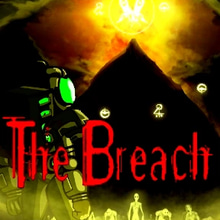
The Breach doesn’t start with a grand speech. It starts with a problem that feels wrong in your bones: a ship that should be talking… isn’t. No replies, no signals, no human noise, just the kind of silence that makes you check your weapon even if you already checked it twice. You step into cold corridors where the lights hum like tired insects and the walls look too clean for a place that’s supposed to be alive. This is a sci-fi horror action game, and it understands one cruel truth: fear is strongest when you can’t see the whole picture. On Kiz10, The Breach hits like a tense survival shooter where every hallway feels like a question and every corner feels like an accusation. Are you alone? Are you being watched? Are you already too late?
🔫🩸 A shooter that makes every bullet feel personal
The shooting is direct, not fancy. You’re not doing stylish combos. You’re doing survival math. How much ammo do you have? How far is the next safe moment? Can you afford to spray, or do you need clean shots and a steady hand? The Breach has that gritty, old-school edge where the weapon is your conversation with the ship. You fire and the echo tells you how empty the place really is. You reload and it feels loud. Too loud. Like you just announced yourself to whatever is lurking. And when something finally moves in the dark, you don’t get a gentle warning. You get panic, recoil, and the sudden realization that a cramped corridor is a terrible place to miss.
🧟♂️🚪 The ship is a maze that hates you
A good horror game doesn’t need endless jump scares. It needs layout. The Breach uses the spaceship itself as the villain’s accomplice: tight rooms, narrow paths, doors that separate you from safety, doors that separate you from answers, doors that make you hesitate because you don’t know what’s on the other side. You’ll move from section to section feeling like you’re peeling back layers of something rotten. A lab that looks abandoned until you notice the scratches. A storage bay with crates stacked like someone tried to build a panic wall. A corridor where the light flickers just long enough to make your imagination do the worst possible thing.
And yes, you will start imagining things. That’s the point. The game lets your brain fill in the gaps, then punishes you for trusting your own nerves.
🧠🗺️ Progress feels like solving a disaster
The Breach isn’t only “shoot what moves.” It’s also “figure out where you are, what happened, and how to keep going.” You explore, you find routes, you backtrack, you unlock access, you pick up upgrades, and you slowly realize the ship isn’t a straight line. It’s a living puzzle of locked spaces and dangerous shortcuts. There’s a special tension in games like this where you finally find what you need, then you remember you still have to walk back through the same corridors that were scary the first time. Now they’re scarier, because you’re carrying progress like it’s fragile glass. You’re not just surviving the present moment. You’re protecting the work you already did.
⚙️🧪 Upgrades that feel like tiny lifelines
When you find better gear or improve your capabilities, it doesn’t feel like “power fantasy.” It feels like relief. A slightly stronger weapon, a little more resilience, a better way to handle what’s ahead. The Breach makes upgrades meaningful because the world is hostile enough that you notice every improvement. You’ll remember how a certain enemy type used to force you into a retreat, and now you can finally stand your ground… most of the time. You’ll still get humbled. The ship doesn’t let you become comfortable for long. But those upgrades create a rhythm: fear, adaptation, small victory, new fear. It keeps the tension alive without turning it into hopelessness.
👣🕯️ The quiet moments are the cruelest
The most unsettling parts aren’t always the fights. Sometimes it’s the walk between fights. The empty rooms. The flicker of a monitor. The sense that you’re moving through the aftermath of something that went wrong fast and ended badly. You’ll catch yourself slowing down, listening, trying to read the environment like it’s telling a story without words. That’s when The Breach feels cinematic in a grim way. Not flashy cinematic. More like a lonely sci-fi thriller where the camera would linger on a doorway for just a second too long, because the director wants you to dread it.
You’ll open that doorway anyway. Because you have to.
💥🧯 When combat breaks out, it’s messy on purpose
Fights feel like sudden storms. A quiet stretch becomes a rush of movement. You shoot, you step back, you manage space, you try not to get cornered. The Breach encourages you to respect positioning. Hallways can protect you, but they can also trap you. Rooms can give you escape angles, but they can also hide threats behind furniture and shadows. You learn quickly that bravery is overrated. Smart, cautious movement keeps you alive longer than heroic charging. If you treat the ship like a playground, it’ll turn into your grave. If you treat it like a haunted machine full of bad surprises, you’ll start making better choices.
😅🧊 The emotional loop: dread, panic, relief, repeat
Here’s the thing: you will mess up. You’ll push into an area too early. You’ll waste ammo on a panic spray. You’ll forget to check a corner because you’re tired of being scared. And then you’ll pay for it, usually in the most immediate way possible. But the game also gives you those pure relief moments that keep you playing. You clear a room. You survive a nasty encounter. You find supplies. You hit a checkpoint of progress. For a few seconds, you breathe again. Then you step forward and the ship finds a new way to make you tense.
That loop is why The Breach works so well as a horror action experience on Kiz10. It’s not slow horror that asks you to wait for something to happen. Something is always happening, even when it’s “nothing.” The atmosphere is doing work constantly.
🧠🔫 How to play smarter without killing the fun
Think like a survivor, not a highlight reel. Keep your shots controlled. Use the space you’re given. If the ship is tight, don’t rush into the tightest corner first. If you’re low on ammo, don’t pick fights you don’t need. If you find upgrades, don’t ignore them because “I’m fine.” You’re not fine. Nobody is fine on a dead ship. And if you feel yourself getting reckless, that’s usually the moment the game punishes you, because horror games love punishing impatience.
The Breach is at its best when you’re half confident and half uneasy, when you’re moving forward but still listening, still thinking, still respecting the fact that the ship doesn’t want you theres.
🚨🌌 The final feeling it leaves you with
When you stop playing, you don’t just remember the monsters. You remember the corridors. The doors. The silence. The sense of stepping into a place that had rules, then watching those rules break. That’s the real “breach.” Not only a physical intrusion, but the moment normal reality cracks and the ship becomes something else entirely. If you like sci-fi horror, survival shooting, dark spaceship atmospheres, and that delicious tension of pushing deeper even when your instincts say “go back,” The Breach fits perfectly.





 4.7 (18 votes)
 Share
Share
 Embed
Embed