Epic Skater





Touchgrind Skate is a realistic fingerboard skate game on Kiz10 where every flick matters, every clean landing feels earned, and your fingertips slowly turn a tiny board into a serious obsession. (1823) Players game Online Now
 4.5 (51 votes)
 Share
Share
 Embed
Embed
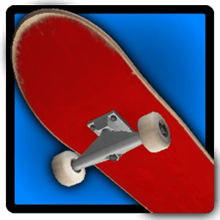
Touchgrind Skate is a realistic fingerboard skate game built around control, timing, and the strangely satisfying challenge of making a miniature skateboard feel heavy, precise, and alive under your fingertips. It looks simple for a moment. A board rests in the park, the camera stays close, and the whole thing seems calm enough to master quickly. Then you try your first clean ollie, mistime the flick, watch the deck spin into nonsense, and realize this is not a toy you can brute-force with random swipes. If you enjoy skateboarding games online, fingerboard games, and physics-based skill games where progress feels personal, this is one of the strongest skate pages to push on Kiz10.
What makes Touchgrind Skate so addictive is how physical it feels despite the tiny scale. The board reacts to pressure, angle, speed, and flick direction in a way that immediately separates clean technique from hopeful chaos. A good pop feels intentional. A bad one feels deserved. That honesty is exactly what gives the game so much staying power. You are never really guessing whether a trick worked. Your fingers know. The board knows. The landing tells the truth instantly.
The best part of the experience is how quickly the skatepark changes in your head. At first, ramps and rails look like scenery. Then you start learning the language of the deck. A ledge becomes a possible grind line. A kicker becomes a setup point. A rail becomes the kind of challenge you should probably avoid for now and will absolutely try five minutes later anyway. That shift is where Touchgrind Skate online really becomes special. The park stops being a backdrop and starts becoming a puzzle full of lines you want to conquer.
Another reason the game works so well is that it respects repetition. A weaker skate game gives you a trick too easily, which makes the whole system feel disposable. This one makes you earn rhythm. The first clean flip is exciting because it took real attention. The second proves it was not luck. The third is where obsession begins. Suddenly you are not only trying to land the trick anymore. You are trying to land it cleaner, earlier, faster, or into the exact rail you were not ready for ten minutes ago.
The challenge structure helps a lot. Goals that sound simple on paper become much more interesting once your fingers actually have to perform them. Land a specific trick. Chain a combo. Hit a ledge cleanly multiple times. The game keeps turning small objectives into skill tests, which is exactly what gives it good replay value. It does not need giant levels or loud spectacle when the board itself is already hard enough to master.
Unlockable boards add another layer of motivation without ruining the honest feel of the physics. A new deck design does not magically solve your problems, and that is a strength. Progress remains tied to skill. The reward is style, identity, and that small but real satisfaction of skating something you had to earn. That keeps the grind feeling rewarding instead of empty.
For search intent, this page should answer players looking for Touchgrind Skate, fingerboard skate game, realistic skateboarding game, two finger skate game, skate trick browser game, and play Touchgrind Skate on Kiz10. The title naturally matches those searches because the game combines realistic trick control, clean physics, challenge goals, combo progression, and browser access without losing the core feel of technical skateboarding.
The real magic is in the gap between intention and execution. You know what trick you want. The board knows whether your fingers deserve it. Sometimes the result is ugly, awkward, and almost funny. Other times everything lines up for a second. The deck pops, flips, lands, slides, and rolls away clean like it finally agreed to trust you. Those moments are what keep players coming back.
Play Touchgrind Skate on Kiz10 if you want a free online skateboarding game with realistic fingerboard control, technical tricks, satisfying landings, and the kind of skill curve that turns one clean combo into a much longer session than you expected. Flick carefully, respect the physics, and do not mistake one lucky landing for mastery.
The fastest way to improve is to stop forcing tricks and start reading what the board actually wants from your hands. Good runs come from cleaner pops, smoother flicks, and understanding that the landing matters just as much as the trick itself. Calm fingers usually beat ambitious panic.
Because every failed trick feels half annoying and half informative. A better flick, a calmer landing, one cleaner rail entry, and the next run already feels like it could be the one where the board finally behaves exactly the way you imagined.


Play Touchgrind Skate on your phone or tablet by scanning this QR code! It's available on iPads, iPhones, and any Android devices.