𝗧🀄 𝗖𝗮𝗿𝗱𝘀, 𝘁𝗶𝗹𝗲𝘀, 𝗮𝗻𝗱 𝘁𝗵𝗮𝘁 𝘀𝘁𝗿𝗮𝗻𝗴𝗲 𝗳𝗲𝗲𝗹𝗶𝗻𝗴 𝗼𝗳 𝗱𝗼𝗼𝗺
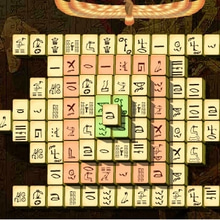
Yu-Gi-Oh Millennium Mahjong is the kind of game that sounds almost absurd for about five seconds, and then suddenly it makes perfect sense. You see the title, you pause, maybe raise an eyebrow, maybe whisper “Wait... really?” and then you jump in and realize this weird hybrid idea actually works. It takes the visual identity and dramatic flavor of Yu-Gi-Oh and throws it into a mahjong-style puzzle structure where reading the board matters more than brute force, panic clicking, or pretending you are improvising when in reality you are one move away from disaster.
That is what makes it so oddly addictive on Kiz10. It does not try to be a full duel simulator. It does not need to. Instead, it captures that familiar anime tension in a smarter, calmer, more puzzle-focused format. Every board feels like a test of attention. Every move feels tiny at first, then strangely important. You start matching tiles, clearing space, scanning symbols, hunting for the next clean pair, and before long your brain is fully locked in. No noise. No nonsense. Just you, the board, and that slightly dangerous feeling that one careless click might ruin your entire rhythm.
And honestly? That tension is beautiful.
𝗘⚡ 𝗔 𝗽𝘂𝘇𝘇𝗹𝗲 𝗴𝗮𝗺𝗲 𝘄𝗶𝘁𝗵 𝗮𝗻 𝗮𝗻𝗶𝗺𝗲 𝘀𝗼𝘂𝗹
Most mahjong games lean into calm, elegance, soft backgrounds, and the kind of energy that feels like a quiet room with incense in the corner. Yu-Gi-Oh Millennium Mahjong goes in a different direction. It still gives you the thoughtful tile-matching gameplay that fans of puzzle games want, but it wraps that logic in a world that feels more intense, more playful, more dramatic. The result is a puzzle experience that has a little more electricity in its veins ⚡
You are not just casually clearing symbols. You are reading patterns under pressure. You are spotting opportunities buried beneath layers. You are making the kind of fast little decisions that seem harmless until the board tightens and suddenly there are fewer free tiles than you expected. That is when the game wakes up. That is when the simple act of choosing one pair instead of another starts to matter.
A good move opens the board. A bad move closes possibilities. And once you feel that difference, the whole thing becomes deliciously strategic.
It is a puzzle game, sure, but not a sleepy one. This one stares back a little.
𝗕🎴 𝗧𝗵𝗲 𝗯𝗼𝗮𝗿𝗱 𝗶𝘀 𝗹𝘆𝗶𝗻𝗴 𝘁𝗼 𝘆𝗼𝘂, 𝗮𝗻𝗱 𝘁𝗵𝗮𝘁’𝘀 𝘄𝗵𝘆 𝗶𝘁’𝘀 𝗳𝘂𝗻
The magic of a game like this comes from perception. At first glance, the board looks manageable. You think, yes, okay, I see a few pairs, this is fine, I am clearly a genius. Then ten seconds later you realize half the pieces you wanted are blocked, two choices lead nowhere, and the one tile you ignored earlier was secretly the key to everything. Classic. Absolutely classic.
Yu-Gi-Oh Millennium Mahjong lives in that space between confidence and regret. It rewards observation, patience, and a little bit of restraint. Sometimes the obvious match is not the best match. Sometimes clearing one pair too early traps the flow of the whole board. Sometimes you need to stop, breathe, and stare at the layout like it personally offended you.
That loop is ridiculously satisfying.
You are always balancing short-term progress against long-term access. Open the board too carelessly and you create clutter. Move too slowly and you miss easy momentum. There is a rhythm to it, almost musical in a strange way. Your eyes dart. Your cursor hovers. Your brain quietly screams. Then click. Another click. Space opens. Symbols line up. Suddenly everything starts working again and you feel far smarter than you probably deserve to feel 😌
That tiny emotional roller coaster is the engine of the whole experience.
𝗖🧠 𝗕𝗿𝗮𝗶𝗻 𝘄𝗼𝗿𝗸, 𝗯𝘂𝘁 𝗺𝗮𝗸𝗲 𝗶𝘁 𝗱𝗿𝗮𝗺𝗮𝘁𝗶𝗰
One of the best things about Yu-Gi-Oh Millennium Mahjong is that it scratches two very different itches at once. On one side, it gives you pure puzzle satisfaction. Pattern recognition. Spatial awareness. Sequence planning. The clean joy of making order out of chaos. On the other side, it delivers that recognizable Yu-Gi-Oh flavor that makes even a simple board feel a bit more theatrical, a bit more loaded, a bit more intense.
So instead of feeling like a generic tile game with random symbols, it feels themed. Framed. Charged. The atmosphere matters. The visual identity matters. It gives the whole experience a stronger personality, and that helps a lot. Puzzle games live or die by feel. If the board is engaging and the presentation gives your brain something extra to enjoy, you stay in longer. You care more. You keep chasing that next solved layout.
And this game really understands that.
It is ideal for players who enjoy games that are easy to grasp but hard to play lazily. You do not need a huge tutorial. You do not need an hour to understand the premise. You jump in, you start matching, and the board teaches you respect very quickly. It says, kindly but firmly, “Pay attention.” Fair enough.
𝗚🔥 𝗪𝗵𝘆 𝗶𝘁 𝗳𝗲𝗲𝗹𝘀 𝘀𝗼 𝗴𝗼𝗼𝗱 𝗼𝗻 𝗞𝗶𝘇𝟭𝟬
On Kiz10, games like this hit a sweet spot. You can start instantly, settle into the puzzle flow, and enjoy something that feels smart without becoming exhausting. It is the kind of browser game that works whether you have ten minutes or much longer. One board turns into another. One “I’ll just clear this section” becomes a full session. Funny how that keeps happening.
There is also something very appealing about a game that does not rely on chaos to stay interesting. Plenty of online games scream for attention. They throw explosions, timers, upgrades, giant warnings, and flashing nonsense at you until your brain gives up and calls it excitement. Yu-Gi-Oh Millennium Mahjong does something better. It earns your focus. Quietly. Efficiently. Then, once you are locked in, it refuses to let go.
That makes every solved board feel personal. Not random. Not lucky. Earned.
And yes, there is a very specific pleasure in looking at a crowded layout, thinking “This is horrible,” and then slowly dismantling it until the entire thing collapses in your favor. Few gaming experiences are more satisfying than turning visual chaos into control. It is like cleaning a room with your eyes and your ego at the same time.
𝗟🌙 𝗧𝗵𝗲 𝗹𝗮𝘀𝘁 𝘁𝗶𝗹𝗲𝘀 𝗮𝗿𝗲 𝗮𝗹𝘄𝗮𝘆𝘀 𝘁𝗵𝗲 𝗹𝗼𝘂𝗱𝗲𝘀𝘁
The funniest part of a mahjong-style game is that the final stretch is often where your emotions get the weirdest. Early game, you are calm. Mid game, you are focused. Late game? Now you are whispering at the screen. Now you are doing tiny victory nods after each correct pair. Now one blocked tile feels like betrayal. It is excellent.
Yu-Gi-Oh Millennium Mahjong understands this pacing beautifully. The board shrinks, options narrow, every choice becomes sharper, and by the time you are near the end, the entire screen feels louder even though nothing has really changed. That is the mark of a good puzzle game. It creates tension out of structure. No cheap tricks needed.
If you like anime games, logic games, mahjong games, or browser puzzles with real momentum, this one is an easy recommendation on Kiz10. It is clever without becoming stiff. Stylish without losing readability. Relaxing, but never sleepy. Strategic, but still accessible. Weird concept? Absolutely. Good game? Also absolutely.
And maybe that is the best part. Yu-Gi-Oh Millennium Mahjong should feel like a strange crossover experiment. Instead, it feels natural, addictive, and just chaotic enough to stay in your head after you stop playing. You clear the last pair, lean back for a second, and think, well... that was supposed to be one quick round.
Sure it was 🀄





 Share
Share
 Embed
Embed