🚪 𝗘𝗩𝗘𝗥𝗬 𝗗𝗢𝗢𝗥 𝗜𝗦 𝗔 𝗟𝗜𝗧𝗧𝗟𝗘 𝗔𝗥𝗚𝗨𝗠𝗘𝗡𝗧 𝗕𝗘𝗧𝗪𝗘𝗘𝗡 𝗬𝗢𝗨 𝗔𝗡𝗗 𝗧𝗛𝗘 𝗚𝗔𝗠𝗘
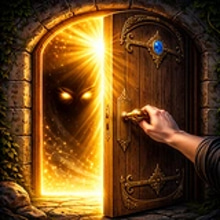
100 Doors: Find Exit is built around a very simple promise: there is a locked door in front of you, and the game expects you to prove you deserve to pass through it. Then it repeats that idea over and over, but in new ways, with new tricks, new clues, and just enough attitude to keep your brain slightly uncomfortable. That is exactly why it works.
This is not a game about reflexes, explosions, or speed for the sake of speed. It is a room escape puzzle game, the kind that asks you to slow down, look closer, tap around, test your assumptions, and notice that the tiny object in the corner might matter a lot more than you thought. One room may want logic. Another may want observation. Another may want you to stop thinking like a normal person for ten seconds and consider that the answer is probably hidden in something you almost ignored.
On Kiz10, 100 Doors: Find Exit lands as the kind of brain game that feels easy to understand immediately and then quietly becomes much harder once it starts playing with your expectations. Open the door. Reach the next room. Repeat until your confidence becomes suspicious.
🧩 𝗔 𝗣𝗨𝗭𝗭𝗟𝗘 𝗚𝗔𝗠𝗘 𝗧𝗛𝗔𝗧 𝗥𝗘𝗪𝗔𝗥𝗗𝗦 𝗣𝗔𝗬𝗜𝗡𝗚 𝗔𝗧𝗧𝗘𝗡𝗧𝗜𝗢𝗡
The core loop is beautifully direct. You enter a room, search for clues, inspect objects, figure out what can be moved or activated, solve the problem, and unlock the exit. Then the next room appears with a different challenge, and suddenly you are doing it all over again with slightly less trust in the furniture. That structure is one of the game’s biggest strengths. It keeps progress clear, but it also leaves space for a lot of variety inside each stage.
A good escape puzzle game lives or dies on how well it makes the player observe. 100 Doors: Find Exit understands this perfectly. The rooms are not there just to look different. They are there to hide information in plain sight. A code might be embedded in the environment. A tool might need to be combined with a clue you found seconds earlier. A mechanism might only make sense once you stop focusing on the obvious and start reading the room more carefully.
That is what gives the game its appeal. It makes you feel clever, but only after making you feel a little lost first. That balance matters. If everything were too easy, the rooms would blur together. If everything were too obscure, the game would become exhausting. Here, the puzzle flow stays engaging because every solved room feels like a small victory over confusion.
🔍 𝗛𝗜𝗗𝗗𝗘𝗡 𝗜𝗧𝗘𝗠𝗦, 𝗦𝗠𝗔𝗟𝗟 𝗖𝗟𝗨𝗘𝗦, 𝗔𝗡𝗗 𝗧𝗛𝗔𝗧 𝗢𝗡𝗘 𝗢𝗕𝗝𝗘𝗖𝗧 𝗬𝗢𝗨 𝗦𝗛𝗢𝗨𝗟𝗗 𝗛𝗔𝗩𝗘 𝗖𝗟𝗜𝗖𝗞𝗘𝗗 𝗘𝗔𝗥𝗟𝗜𝗘𝗥
One of the most satisfying parts of 100 Doors: Find Exit is the hidden object side of its design. You are not just solving abstract riddles floating in empty space. You are exploring rooms that hold little visual secrets. Something can be concealed behind another object. Something can be activated after you find the right piece. Something that looked decorative can suddenly become the key to the whole room.
This is where the game feels especially sticky. Hidden object mechanics naturally create curiosity. Every room becomes a mini hunt. You scan the screen, test items, revisit details, and gradually build a mental map of what might matter. It is a very satisfying kind of attention because the game keeps rewarding players who stay patient and observant instead of rushing.
And then there is the wonderful little frustration that all room escape games create. You finally solve a puzzle and realize the clue was sitting there the whole time, casually mocking you with its obviousness. That moment is half embarrassment, half joy, which is honestly one of the best emotional combinations in gaming.
🧠 𝗘𝗔𝗖𝗛 𝗥𝗢𝗢𝗠 𝗔𝗦𝗞𝗦 𝗔 𝗗𝗜𝗙𝗙𝗘𝗥𝗘𝗡𝗧 𝗤𝗨𝗘𝗦𝗧𝗜𝗢𝗡
What keeps 100 Doors: Find Exit from feeling repetitive is that each door hides a different style of challenge. Some rooms are about finding patterns. Some depend on object interaction. Some are built around hidden mechanisms. Others ask you to connect multiple clues before the solution becomes clear. Because of that, the game avoids one of the biggest problems in the genre: repeating the same trick until the player gets bored.
Instead, each level feels like a small test of a different mental habit. Observation. Deduction. Memory. Spatial reasoning. Trial and error. Sometimes the answer comes quickly and you feel brilliant. Sometimes you stare at the room like it personally insulted you. Both reactions belong here.
That variety is especially important in a multi-room structure like this. When a game promises one hundred doors, it needs to give those doors different personalities. Otherwise the journey becomes mechanical. 100 Doors: Find Exit keeps the rooms lively by treating them less like repeated levels and more like individual puzzle boxes.
⚙️ 𝗧𝗛𝗘 𝗠𝗘𝗖𝗛𝗔𝗡𝗜𝗦𝗠𝗦 𝗔𝗥𝗘 𝗛𝗔𝗟𝗙 𝗧𝗛𝗘 𝗙𝗨𝗡
There is a specific pleasure in puzzle games that use switches, locks, codes, and hidden systems well. 100 Doors: Find Exit taps into that nicely. Activating the right mechanism at the right moment feels satisfying because it creates a visible payoff. A panel slides open. A lock responds. A hidden section appears. A formerly dead room suddenly reveals its logic. Those moments are tiny, but they give the game momentum.
That mechanical feel also strengthens the escape-room fantasy. You are not just answering trivia questions in front of a picture of a door. You are interacting with an environment that resists you until you understand how it works. The rooms feel constructed, like each one was designed to hold its own little argument with the player. That makes solving them more rewarding.
📱 𝗘𝗔𝗦𝗬 𝗧𝗢 𝗣𝗟𝗔𝗬, 𝗛𝗔𝗥𝗗 𝗧𝗢 𝗦𝗧𝗢𝗣
The controls are simple, which is exactly what a game like this needs. On computer, you use the mouse to inspect, move, and activate objects. On mobile, taps and gestures handle everything smoothly. That simplicity keeps the focus where it belongs: on the puzzles themselves. You are not wrestling with the interface. You are wrestling with the room.
Because of that, 100 Doors: Find Exit works extremely well as a browser puzzle game. You can jump in quickly, clear a few rooms, and tell yourself you will stop after the next one. Then the next room gives you a clever puzzle, and now you need to know what comes after that. Escape games are good at this. They turn curiosity into momentum, then momentum into a small addiction.
There is also something very satisfying about the level-by-level format. Each room gives closure, but also invites continuation. You keep getting that little hit of completion, followed immediately by a fresh mystery.
🔐 𝗪𝗛𝗬 𝟭𝟬𝟬 𝗗𝗢𝗢𝗥𝗦: 𝗙𝗜𝗡𝗗 𝗘𝗫𝗜𝗧 𝗜𝗦 𝗦𝗢 𝗘𝗔𝗦𝗬 𝗧𝗢 𝗥𝗘𝗖𝗢𝗠𝗠𝗘𝗡𝗗
100 Doors: Find Exit succeeds because it understands what makes room escape games so satisfying in the first place. Curiosity, tension, logic, discovery, and that lovely moment when a locked problem finally gives way because you noticed one tiny thing everybody else would probably miss. It does not need complicated storytelling or giant visual spectacle. The puzzle structure is enough.
On Kiz10, it is a strong choice for players who enjoy escape room games, hidden object puzzles, clue hunting, and brain teasers built around progression from one locked chamber to the next. Every room is a fresh challenge. Every door is a reward. Every solution feels like you earned it, even when the room made you look silly for a while first.
So search carefully, trust nothing, click everything, and keep your pride flexible. In 100 Doors: Find Exit, the next answer is always somewhere in the room. The real problem is whether you can see it before the door starts feeling smug. 🚪🧠





 Share
Share
 Embed
Embed


