𝗧𝗵𝗲 𝗰𝗿𝗼𝘄𝗻 𝗶𝘀 𝗮𝗹𝘄𝗮𝘆𝘀 𝗼𝗻𝗲 𝗯𝗮𝗱 𝗱𝗲𝗰𝗶𝘀𝗶𝗼𝗻 𝗮𝘄𝗮𝘆 👑
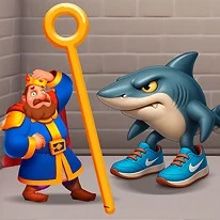
Royal Pin starts with a very simple fantasy: save the kingdom. Then it immediately turns that fantasy into a tiny mechanical nightmare full of traps, bad timing, and the kind of pin-pulling decisions that feel obvious only after you fail them. The king is in danger. The queen needs protection. The princess is part of the whole royal disaster too. And somehow the survival of an entire kingdom now depends on your ability to remove the correct metal rod at the correct moment without dropping lava, releasing enemies, or causing a majestic catastrophe.
That is what makes the game fun right away. It takes a familiar rescue puzzle formula and gives it a clean fairy-tale frame. You are not just solving abstract logic problems. You are rescuing royalty, restoring a castle, and slowly rebuilding something grand out of situations that are, frankly, not very grand at all. Most levels begin with the king looking one second away from a dramatic mistake, and your job is to stop the whole thing from turning into a disaster scene.
On Kiz10, Royal Pin works because it mixes fast visual logic with a nice feeling of progression. Every correct move saves more than a character. It saves momentum. It pushes the kingdom forward. It makes the next rescue feel a little more important.
𝗣𝘂𝗹𝗹𝗶𝗻𝗴 𝗮 𝗽𝗶𝗻 𝘀𝗵𝗼𝘂𝗹𝗱 𝗻𝗼𝘁 𝗳𝗲𝗲𝗹 𝘁𝗵𝗶𝘀 𝗱𝗿𝗮𝗺𝗮𝘁𝗶𝗰, 𝗯𝘂𝘁 𝗵𝗲𝗿𝗲 𝘄𝗲 𝗮𝗿𝗲 🧩
The core mechanic in Royal Pin is wonderfully straightforward. You look at the level, study the layout, and choose which pin to pull first. That is it. No giant control scheme. No long tutorial maze. Just observation, timing, and the slow realization that the level is less simple than it appeared at first glance.
That simplicity is exactly why the puzzles can be so satisfying. Every level becomes a small problem with visible pieces. Fire here. Water there. Treasure somewhere useful. A trap in the wrong place. Maybe an enemy waiting behind a barrier. Maybe the king standing exactly where he should not be standing. The answer is always based on order. Not just what to do, but when to do it. Pull the wrong pin too early and the entire setup collapses into chaos. Pull the right one first and everything starts sliding into place with that lovely little feeling of “yes, that was the move.”
The game understands a crucial thing about this genre: players enjoy feeling smart, but they enjoy it even more when the path to feeling smart includes a little danger. Royal Pin keeps that balance nicely. The puzzles are readable, but not brainless. A careless move can ruin the level. A careful one can make the whole rescue look effortless.
𝗧𝗵𝗲 𝗿𝗼𝘆𝗮𝗹 𝗿𝗲𝘀𝗰𝘂𝗲 𝗴𝗶𝘃𝗲𝘀 𝘁𝗵𝗲 𝗽𝘂𝘇𝘇𝗹𝗲𝘀 𝗺𝗼𝗿𝗲 𝗰𝗵𝗮𝗿𝗺 🏰
Without the castle setting and the royal family theme, this could still be a fun pin puzzle game. But the fantasy layer adds personality. It gives each level a sense of purpose beyond “solve the room.” You are helping the king survive ridiculous traps. You are protecting the queen and princess from danger. You are acting as the invisible brain behind the kingdom’s survival while everyone else inside it seems alarmingly comfortable standing next to obvious hazards.
That theme also makes the progression more satisfying. Royal Pin is not only about one rescue after another. It connects those rescues to restoration. As you keep winning, you earn the resources needed to rebuild the castle, recover lost glory, and expand the kingdom. That extra layer helps the game feel more complete. Success has visible consequences. The world improves because you keep solving its problems.
And honestly, there is something satisfying about turning good puzzle decisions into a stronger kingdom. It gives your victories shape. You are not just clearing levels. You are repairing a story.
𝗢𝗿𝗱𝗲𝗿 𝗶𝘀 𝗲𝘃𝗲𝗿𝘆𝘁𝗵𝗶𝗻𝗴, 𝗮𝗻𝗱 𝗽𝗮𝗻𝗶𝗰 𝗶𝘀 𝘂𝘀𝘂𝗮𝗹𝗹𝘆 𝘁𝗵𝗲 𝘄𝗿𝗼𝗻𝗴 𝗼𝗿𝗱𝗲𝗿 🔥
The real challenge in Royal Pin is not understanding what each object does. Usually that part is obvious enough. The challenge is sequencing. Water can save you, but only if you release it before the fire spreads somewhere worse. A path may exist, but opening it too early might let danger reach the king first. A reward might look tempting, but greed in puzzle games has a long and embarrassing history.
This is where the game becomes more interesting than it first appears. It asks you to think in small chains of consequence. If I move this, then that drops. If that drops, the route changes. If the route changes, the character survives... or does not. Good levels in this kind of game feel like little logic machines. Royal Pin gets a lot of mileage out of that structure.
It also benefits from being quick. A failed attempt does not feel like the end of the world. It feels like information. Fine, that pin definitely was not the first one. Good to know. Reset. Try again. The game keeps the loop short enough that experimentation stays fun instead of becoming frustrating. That matters a lot in puzzle design. Players should feel invited to think, not punished for thinking out loud.
𝗧𝗵𝗲 𝗰𝗮𝘀𝘁𝗹𝗲 𝗿𝗲𝗯𝘂𝗶𝗹𝗱 𝗺𝗮𝗸𝗲𝘀 𝗲𝘃𝗲𝗿𝘆 𝘃𝗶𝗰𝘁𝗼𝗿𝘆 𝗳𝗲𝗲𝗹 𝗹𝗲𝘀𝘀 𝘁𝗶𝗻𝘆 🪨
One of the nicest touches in Royal Pin is how it connects puzzle success to visible kingdom growth. A lot of rescue puzzle games can start blending together after a while because each level feels isolated from the next. Here, the restoration system gives your progress more continuity. You rescue, you earn, you rebuild. That simple loop does a lot of work.
Suddenly you are not only solving for the immediate moment. You are solving for the larger reward of seeing the castle return to life. Broken spaces become repaired. Empty places start feeling regal again. The kingdom stops feeling like a backdrop and starts feeling like something you are actively bringing back from ruin. That adds warmth to the puzzle flow.
It also helps motivation. Sometimes a clever puzzle is enough. Other times it is nice knowing that your effort is feeding a second system, one that lets you watch your progress become visible in stone, towers, halls, and royal recovery. Puzzle players like momentum, and Royal Pin gives it to them in a visual form.
𝗧𝗵𝗲 𝗹𝗲𝘃𝗲𝗹𝘀 𝗴𝗿𝗼𝘄 𝗺𝗲𝗮𝗻𝗲𝗿, 𝘄𝗵𝗶𝗰𝗵 𝗶𝘀 𝗴𝗼𝗼𝗱 𝗳𝗼𝗿 𝘆𝗼𝘂... 𝗽𝗿𝗼𝗯𝗮𝗯𝗹𝘆 😈
The early stages ease you into the logic, but the game does not stay gentle. As you move forward, the layouts become more layered, the traps start combining in nastier ways, and the room for lazy decisions shrinks fast. That rising difficulty is important because it keeps the mechanic fresh. If every level had one obvious answer and no risk of chaos, the game would lose its bite quickly.
Instead, later levels ask for more patience. You begin looking further ahead. You stop trusting the first solution that pops into your head. You become suspicious of treasure. You become suspicious of easy-looking paths. Honestly, by the middle of a good pin puzzle game, paranoia is just another strategy tool.
And that is a compliment. It means the game is teaching you to read carefully. It means your puzzle instincts are sharpening. Royal Pin gets better when it makes you pause for an extra second and really examine the room before acting.
𝗪𝗵𝘆 𝗥𝗼𝘆𝗮𝗹 𝗣𝗶𝗻 𝗳𝗶𝘁𝘀 𝗞𝗶𝘇𝟭𝟬 𝘀𝗼 𝘄𝗲𝗹𝗹 ✨
On kiz10.com, Royal Pin feels like a perfect fit for players who enjoy rescue puzzles, logic games, trap-based challenges, and progression systems that reward smart thinking without becoming overly complicated. It is easy to enter, quick to understand, and full of those tiny “wait, no, that goes first” moments that make pin-pulling games so addictive.
What gives it an extra push is the castle restoration layer and the royal adventure tone. Those elements make the puzzles feel less mechanical and more playful. You are not just dragging pieces around. You are protecting a kingdom one sharp decision at a time. That is a better fantasy than it sounds, especially once the levels begin testing you properly.
Royal Pin is bright, clever, and quietly dangerous in the way good puzzle games often are. If you like games where one small action can change everything, where logic matters more than speed, and where success helps rebuild something bigger than the level itself, this one is easy to get hooked on. Save the king, rescue the family, fix the castle, and try not to look too confident before the next trap appears.





 2.5 (173 votes)
 Share
Share
 Embed
Embed