𝗧𝗛𝗘 𝗥𝗢𝗧𝗢𝗥𝗦 𝗦𝗣𝗜𝗡, 𝗧𝗛𝗘 𝗖𝗜𝗧𝗬 𝗦𝗖𝗥𝗘𝗔𝗠𝗦 🚁🌆😬
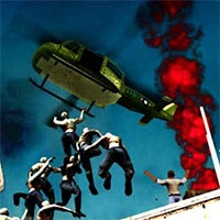
Zombie Choppa opens with the kind of silence that feels illegal. A rooftop. A few survivors waving like tiny ants with huge fear. And then the zombies show up, because of course they do. You’re in a helicopter, not a tank, not a fortress, not a superhero costume… just a flying machine with blades, a limited sense of mercy, and a job that turns “pickup and go” into “please don’t crash while saving everyone.” On Kiz10, it hits that perfect arcade nerve: simple to understand in one breath, hard to execute once the panic starts stacking. You’re not just playing a zombie game, you’re playing a rescue mission where every second is a choice and every choice has teeth.
𝗥𝗘𝗦𝗖𝗨𝗘 𝗙𝗜𝗥𝗦𝗧, 𝗥𝗘𝗚𝗥𝗘𝗧 𝗟𝗔𝗧𝗘𝗥 🧍♀️🧍♂️🆘
The core loop is deliciously stressful. Land the chopper near survivors. Pick them up. Get them out. Sounds easy, right? Then you realize landing isn’t a calm “touchdown.” It’s a hovering dance where you’re trying to line up perfectly while the infected shuffle in from the edges like they got an invite. Survivors don’t move like trained soldiers either. They wobble, they hesitate, they clump, they make your rescue timing feel messy and human. And that’s the point. Zombie Choppa doesn’t want you to feel like a flawless pilot. It wants you to feel like a pilot doing their best while the world falls apart.
And once you start thinking you’ve got it handled, the game does that cruel little ramp-up. More rooftops. More pressure. More undead. The routes become tighter, the timing windows get thinner, and you start doing math you didn’t expect to do in a zombie helicopter game. Can I grab two groups in one sweep? Should I clear the landing zone first? Do I risk hovering one more second to pick up the last survivor, or do I leave them and come back before it’s too late? The worst part is… you will leave someone once. You’ll tell yourself you won’t. But you will. Then you’ll restart, because your pride refuses to accept that outcome. 😅
𝗧𝗛𝗘 𝗛𝗘𝗟𝗜𝗖𝗢𝗣𝗧𝗘𝗥 𝗙𝗘𝗘𝗟𝗦 𝗟𝗜𝗞𝗘 𝗔 𝗧𝗢𝗢𝗟 𝗔𝗡𝗗 𝗔 𝗧𝗘𝗦𝗧 🎛️🚁🧠
Flying in Zombie Choppa is less about “speed” and more about control. That’s what makes it satisfying. You learn to approach rooftops with the right angle, to slow down at the right moment, to hover just enough without drifting into disaster. The chopper becomes a living thing you manage, not a vehicle you bully. Small corrections matter. A sloppy approach wastes time. A messy landing invites chaos. A perfect hover feels like threading a needle while someone shakes your elbow.
There’s also that constant little internal voice going, don’t clip anything. Don’t bump the edge. Don’t panic-turn into a wall. The funny part is you can feel yourself improving. Early runs are wobbly. Later runs are smoother. You start predicting where you need to be instead of reacting late. That’s the “pilot glow-up,” and it’s one of the best parts of the game on Kiz10.
𝗧𝗛𝗘 𝗭𝗢𝗠𝗕𝗜𝗘𝗦 𝗔𝗥𝗘 𝗔 𝗖𝗟𝗢𝗖𝗞 𝗪𝗜𝗧𝗛 𝗟𝗘𝗚𝗦 ⏱️🧟♀️🧟♂️
In most zombie games, zombies are targets. Here, they’re pressure. They’re the moving timer that creeps into your plans and ruins them. They flood toward rooftops and landing spots, forcing you to adapt. You can’t treat them like background noise because the moment you do, your safe landing zone turns into a horror carpet. The tension comes from how quickly “fine” becomes “not fine.” One pass too late, one rescue attempt that drags on, and suddenly you’re improvising.
And improvisation is where the game shines. You start making fast decisions with messy consequences. You might clear a zone to buy time. You might swoop in for a fast pickup and leave before the crowd gets too thick. You might circle around for a better approach because landing straight in is basically asking to be overwhelmed. It’s not about perfection. It’s about staying alive long enough to do the job.
𝗦𝗪𝗘𝗘𝗣, 𝗦𝗧𝗥𝗜𝗞𝗘, 𝗔𝗡𝗗 𝗧𝗛𝗘 𝗦𝗔𝗧𝗜𝗦𝗙𝗬𝗜𝗡𝗚 𝗦𝗢𝗨𝗡𝗗 𝗢𝗙 𝗖𝗟𝗘𝗔𝗥𝗜𝗡𝗚 𝗔 𝗥𝗢𝗢𝗙 💥🌀😈
Let’s be honest: part of the appeal is the chaos of cleaning out a landing area. The game gives you that guilty arcade pleasure of swooping down and turning a messy rooftop situation into something manageable. It feels tactical in a scrappy way. You’re not trying to wipe the map. You’re trying to make a tiny safe bubble long enough to rescue people. That intention makes the action feel purposeful instead of mindless.
And it creates these cinematic moments you didn’t plan. You dive in, zombies swarm, the survivors are right there, and your helicopter is hovering like a stressed-out metal bird. Your hands tense up. You correct your position. You grab the group. You pull away just as the rooftop becomes fully overrun. That’s the good stuff. That’s the “I barely made it” story you’ll replay in your head like a highlight clip. 😬🚁
𝗟𝗔𝗡𝗗𝗜𝗡𝗚 𝗜𝗦 𝗔 𝗣𝗨𝗭𝗭𝗟𝗘 𝗗𝗜𝗦𝗚𝗨𝗜𝗦𝗘𝗗 𝗔𝗦 𝗔 𝗠𝗢𝗠𝗘𝗡𝗧 🧩🏢🧲
Zombie Choppa is secretly a puzzle game wearing an action jacket. The puzzle is spacing. Where do you hover so survivors can get in quickly? How do you approach without drifting? How do you place yourself so you can escape instantly if the crowd reaches you? When the levels get more demanding, you’ll notice you’re planning paths like a nervous chess player. Not because you want to overthink, but because overthinking is safer than crashing.
This is also where your instincts get sharper. You start reading rooftops like they’re maps with invisible arrows. “That side is safer.” “That edge has a better exit line.” “If I hover too low, I’ll waste time.” The game rewards players who can stay calm in that micro-planning space, because panic makes you sloppy, and sloppy gets people eaten.
𝗧𝗛𝗘 𝗟𝗜𝗧𝗧𝗟𝗘 𝗠𝗜𝗦𝗧𝗔𝗞𝗘𝗦 𝗔𝗥𝗘 𝗧𝗛𝗘 𝗕𝗜𝗚 𝗦𝗧𝗢𝗥𝗬 🤦♂️🔥🧟
The funniest tragedies in Zombie Choppa are always small. You hover one second longer than you should. You approach from the wrong angle. You get greedy, trying to scoop “just one more” survivor while the rooftop is already screaming danger. Then it collapses. And it doesn’t feel unfair, it feels like the game caught you making a human mistake. The kind of mistake you’d actually make. That’s why the tension lands. It’s not random cruelty, it’s consequence.
You’ll also notice how quickly your mood affects your performance. If you get tilted, you rush. If you rush, you drift. If you drift, you lose control. If you lose control, the entire rescue becomes chaos. The best runs happen when you keep your hands light and your mind quiet. Not empty, just quiet enough to focus.
𝗦𝗠𝗔𝗥𝗧 𝗣𝗜𝗟𝗢𝗧 𝗛𝗔𝗕𝗜𝗧𝗦 𝗧𝗛𝗔𝗧 𝗦𝗔𝗩𝗘 𝗥𝗨𝗡𝗦 🧠🛟🚦
A small habit that helps a lot: treat every rooftop like it’s already dangerous, even if it looks calm. Approach wide, slow down early, and set up a clean hover so survivors can board fast. Another habit: don’t commit to a bad landing. If the angle feels wrong, loop around. A quick reset is cheaper than a messy hover that burns time and invites a swarm.
Also, don’t let the zombies decide your route. You decide your route. If one rooftop is turning into a nightmare, pull out, reposition, and come back with a better approach. The game rewards those little “nope, not today” retreats. Retreating isn’t weakness here, it’s survival management.
And yeah, sometimes you have to accept that you can’t save everyone in one perfect sweep. You’re doing triage in a helicopter. That’s a wild sentence, but it’s true. Make the smartest pickups first, keep the rescue flow moving, and don’t let one chaotic rooftop ruin the entire mission.
𝗪𝗛𝗬 𝗭𝗢𝗠𝗕𝗜𝗘 𝗖𝗛𝗢𝗣𝗣𝗔 𝗙𝗘𝗘𝗟𝗦 𝗦𝗢 𝗚𝗢𝗢𝗗 𝗢𝗡 𝗞𝗜𝗭𝟭𝟬 🕹️🏆🌪️
On Kiz10, Zombie Choppa fits perfectly because it’s quick, intense, and replayable without feeling repetitive. Each run becomes a little story of near-misses, sharp recoveries, and clutch rescues. You learn the rhythm of hovering, the timing of pickups, the way zombie pressure shifts your plan. It’s a zombie rescue helicopter game that turns simple mechanics into real tension, and that tension is addictive. You’ll keep coming back because you know you can do one rooftop cleaner, one pickup faster, one escape smoother. And when you finally nail a run that felt impossible earlier? It feels earned. Not gifted. Earned. 🚁✨🧟♂️





 4.8 (25 votes)
 Share
Share
 Embed
Embed