𝗪𝗘𝗟𝗖𝗢𝗠𝗘 𝗧𝗢 𝗘𝗟𝗠𝗢𝗥𝗘’𝗦 𝗠𝗢𝗦𝗧 𝗨𝗡𝗛𝗜𝗡𝗚𝗘𝗗 𝗗𝗘𝗟𝗜𝗩𝗘𝗥𝗬 𝗦𝗘𝗥𝗩𝗜𝗖𝗘 📦🛵😬
Watterson Express is the kind of game that sounds harmless until you play it for ten seconds and realize you’re basically running air traffic control for a family that should never be trusted with logistics. On Kiz10, it hits a perfect sweet spot between puzzle and panic: packages need to reach the correct homes, the Wattersons keep moving, and the neighborhood is a maze of arrows that only behaves if you keep your head cool. It’s not about jumping or fighting. It’s about directing flow, managing mistakes, and learning to think two turns ahead while everything keeps rolling forward like it has somewhere to be.
The funny part is how quickly your brain starts narrating the drama. One second you’re calmly flipping an arrow like, yes, I am a responsible person. The next second you’re flipping three arrows in a row with the energy of someone trying to stop a shopping cart from hitting a wall. And when you accidentally route the wrong item to the wrong character, it doesn’t feel like a small error. It feels personal. Like the game looked you in the eye and said, nice plan… now watch it crumble.
𝗔𝗥𝗥𝗢𝗪𝗦 𝗔𝗥𝗘 𝗬𝗢𝗨𝗥 𝗦𝗧𝗘𝗘𝗥𝗜𝗡𝗚 𝗪𝗛𝗘𝗘𝗟 🧭⬆️⬇️
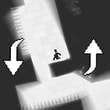
At its core, Watterson Express is a routing puzzle. Characters move along paths, and those paths are shaped by arrows on the ground. You don’t drag characters around like pieces. You don’t stop time to politely decide. You interact with the arrows, switching directions so the moving “delivery line” guides items toward the correct destination. Think of it like building a tiny conveyor-belt plan in your head, except the conveyor belt is alive and refuses to wait for you to finish thinking.
The game becomes a quick mental loop. You look at what’s coming, you predict where it will go, you flip an arrow to redirect it, and you watch the result. If the result is correct, you feel like a genius for half a second. If it’s wrong, you immediately understand exactly why, which is the dangerous part, because now you’re convinced the next attempt will be perfect. That confidence is how the game gets you.
What makes the arrow mechanic so satisfying is that it’s simple but not shallow. A single arrow change can fix everything or ruin everything depending on timing. And timing is sneaky here, because while you’re focusing on one route, something else is already approaching the same junction.
𝗣𝗔𝗖𝗞𝗔𝗚𝗘 𝗠𝗘𝗠𝗢𝗥𝗬 𝗔𝗡𝗗 𝗧𝗛𝗘 𝗦𝗪𝗘𝗘𝗧 𝗣𝗔𝗜𝗡 𝗢𝗙 𝗠𝗜𝗫𝗜𝗡𝗚 𝗜𝗧 𝗨𝗣 🧠📦🫠
Watterson Express quietly asks you to remember things. Who needs what. Which delivery belongs to which house. Which route leads where. It’s not a giant textbook memory test, but it is the kind of puzzle game where attention matters. Early levels feel manageable, like you can wing it. Then the game adds more deliveries, more possible turns, and more chances for your brain to do that classic thing where it holds three facts confidently and drops the fourth on the floor.
There’s a hilarious tension between speed and correctness. If you play too carefully, you fall behind and start reacting instead of planning. If you play too fast, you start sending items to random doors like you’re trying to start neighborhood drama. The best runs happen when you treat the level like a pattern. You’re not frantically clicking, you’re guiding a system. You start recognizing the “shape” of the route and flipping arrows just before you need them, not after you realize you made a mistake.
And yes, you will absolutely have moments where you route an item perfectly… and then accidentally reroute it at the last second because you panicked and clicked the wrong arrow. That’s not failure. That’s the full Watterson experience. 😅
𝗟𝗜𝗙𝗘 𝗕𝗔𝗥 𝗣𝗥𝗘𝗦𝗦𝗨𝗥𝗘 𝗔𝗡𝗗 𝗧𝗛𝗘 𝗔𝗥𝗧 𝗢𝗙 𝗟𝗜𝗠𝗜𝗧𝗜𝗡𝗚 𝗗𝗔𝗠𝗔𝗚𝗘 ❤️🚫📬
One of the best design choices is that mistakes have consequences without instantly ending the fun. Delivering the wrong item chips away at your life bar, so the game gives you room to recover, but not enough room to ignore the problem. That creates a delicious “keep it together” pressure. You can mess up once and fix it. You can mess up twice and still recover if you lock in. You mess up repeatedly and suddenly you’re staring at the screen thinking, okay, I need to stop making this worse.
That life bar system changes how you play. You start thinking in terms of damage control. If a package is about to go wrong, do you pivot everything to save it, or do you accept the hit and focus on keeping the next deliveries perfect? That’s a real strategy decision, and it’s why the game feels smarter than it looks at first glance.
It also makes every level feel like a little performance. You’re not just finishing. You’re finishing clean.
𝗘𝗟𝗠𝗢𝗥𝗘 𝗟𝗢𝗚𝗜𝗦𝗧𝗜𝗖𝗦: 𝗪𝗛𝗘𝗡 𝗧𝗛𝗘 𝗠𝗔𝗣 𝗕𝗘𝗖𝗢𝗠𝗘𝗦 𝗬𝗢𝗨𝗥 𝗠𝗨𝗦𝗖𝗟𝗘 𝗠𝗘𝗠𝗢𝗥𝗬 🗺️🖐️✨
After a few levels, something clicks in a different way. You stop seeing arrows as individual buttons and start seeing the neighborhood as a living circuit. This junction feeds that house. That corner is the dangerous one because everything crosses there. That route is safe, but only if you don’t forget to flip it back afterward. The game becomes less about reacting and more about rhythm.
You’ll feel it when you’re in the zone. You flip an arrow, then flip it back, then flip another one preemptively, and it feels smooth. Like you’re conducting a tiny orchestra of deliveries. It’s oddly satisfying because it’s a puzzle game that rewards calm control under moving pressure. Not many games do that without becoming complicated or slow. Watterson Express stays light, readable, and still manages to make you sweat.
And because the setting is playful, the stress never feels heavy. It feels like cartoon stress. The fun kind where you laugh at your own mistakes and immediately want another try because you can see the solution in your head now, you swear.
𝗪𝗛𝗬 𝗜𝗧 𝗛𝗢𝗢𝗞𝗦 𝗦𝗢 𝗛𝗔𝗥𝗗 𝗢𝗡 𝗞𝗜𝗭𝟭𝟬 🕹️⚡📦
On Kiz10, Watterson Express is a perfect “one more level” game. Each stage is quick enough to retry without frustration, but demanding enough to feel rewarding when you win. The learning curve is gentle at first, then it tightens up, and suddenly you’re optimizing. You’re thinking about routing efficiency, avoiding bottlenecks, and keeping the delivery chain clean. It’s basically a fast logistics puzzle disguised as a cartoon errand, and that disguise is doing a lot of work because you don’t realize you’re improving until you’re already better.
If you like puzzle games that mix memory, quick decisions, and that satisfying feeling of managing a system in motion, this one lands. It’s bright, frantic in short bursts, and surprisingly strategic once the neighborhood starts getting crowded. You’ll finish a level with one tiny mistake and still feel annoyed, not because the game is unfair, but because you know you could’ve done it perfectly. That’s the hook. That’s the fuel.
And when you finally get a clean run where every package lands exactly where it should, the victory feels silly and real at the same time. Like you just saved the neighborhood from a delivery-based catastrophe. Which, honestly, you did. 📦😎


















 4.1 (73 votes)
 Share
Share
 Embed
Embed